Nepal Flood Tragedy: Search Continues, ID Challenges Mount 11 Days On

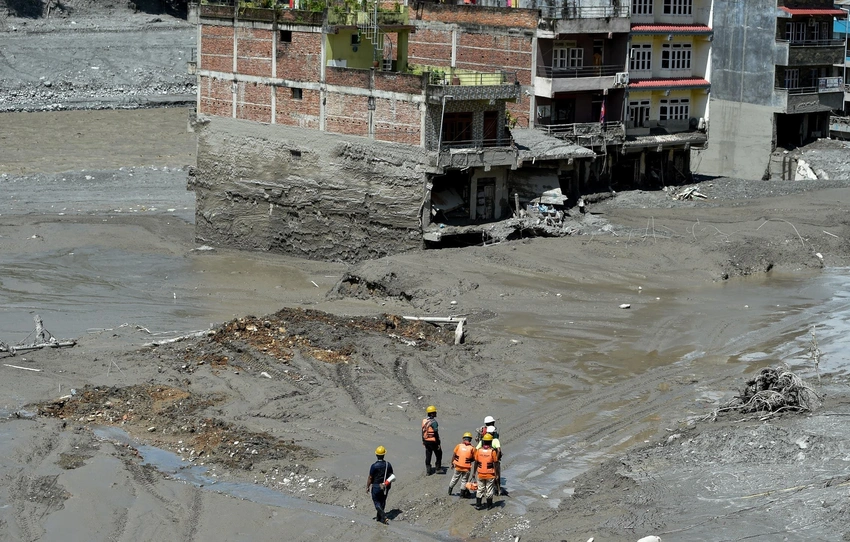
Nepal Flood Tragedy: Search Continues, ID Challenges Mount 11 Days On
Nepal faces a grim reality 11 days after devastating floods. Rescuers search for 5,000 missing, but identifying victims is a massive challenge. Climate change's impact is clear as the nation seeks urgent aid.
Eleven days after a catastrophic ice-rock avalanche unleashed devastating floods across northern and central Nepal, search and rescue operations are still in full swing. However, authorities are grappling with the immense challenge of identifying the deceased, as many bodies recovered are severely damaged or incomplete. The sheer scale of the disaster is heartbreaking.
The official death toll stands at 1,344, but nearly 5,000 people, including 589 foreign nationals, are still reported missing. While over 13,400 individuals have been rescued, the hope of finding more survivors dwindles with each passing day.
The initial trigger for this calamity was an ice-rock avalanche near the Nepal-Tibet border on August 26, which sent a massive surge of water and debris roaring down the Bhotekoshi River, wiping out homes, vehicles, roads, bridges, and crucial hydropower infrastructure. The task of identifying victims has proven exceptionally difficult.
Of the many bodies recovered, at least 85 were children, and around 500 were found with body parts missing.
The condition of these remains, often swept far downstream, decomposed, or incomplete, complicates traditional identification methods. To address this, more than 1,000 unidentified bodies have been buried after DNA samples were meticulously collected, offering a chance for future identification. Currently, only 98 bodies have been successfully identified and returned to their grieving families.
Districts like Chitwan have been particularly hard-hit, accounting for the largest number of recovered bodies. The National Disaster Risk Reduction and Management Authority (NDRRMA) continues to coordinate efforts across affected areas including Nawalparasi East, Nawalparasi West, Nuwakot, Rasuwa, Gorkha, Dhading, and Tanahun. Beyond the immediate crisis, this tragedy serves as a stark reminder of the escalating climate crisis.
Nepal, a nation highly vulnerable to climate change impacts, is now urgently seeking international assistance.
There's a growing call for climate justice, highlighting the disparity in climate finance reaching vulnerable nations.
As the country strives to restore basic services and repair the widespread damage, the world is being urged to recognize and act upon the warnings that events like Nepal's flood represent, ensuring support for those on the front lines of climate disaster.

Login to comment.
No thots yet. Be the first to share your thoughts!