Bangladesh Elections: Pro-India Rhetoric Shapes a Hasinaless Race

Bangladesh Elections: Pro-India Rhetoric Shapes a Hasinaless Race
As Bangladesh heads to February polls with Hasina out of the running, rival camps weaponize ‘pro-India’ sentiment, turning Delhi vs Dhaka into the election’s defining battleground.
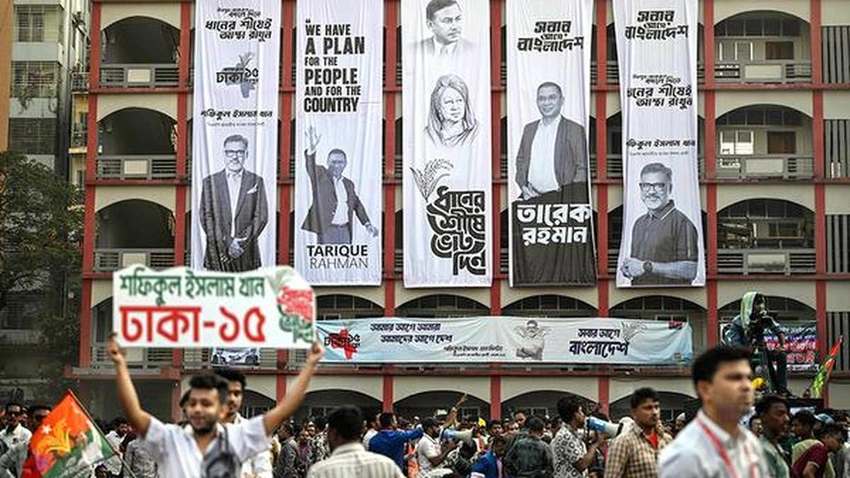
On the walls of Dhaka University, a slogan captures the political mood: “Delhi na Dhaka? Dhaka Dhaka.” The graffiti highlights the question — should it be Delhi ruling or Dhaka ruling? The chant has become a potent symbol as the February 12 election approaches, with anti-India sentiment reshaping political discourse. With Hasina’s Awami League barred from contesting, the campaign landscape is now dominated by two main rivals who are keen to frame the opposition as pro-India and thus less legitimate in the eyes of voters wary of external influence.
In this new dynamic, the Bangladesh Nationalist Party and the Jamaat-e-Islami alliance are leaning on nationalism and sovereignty to mobilize their bases, deploying the so-called pro-India label as a weapon to discredit opponents. The tactic underscores a broader anxiety among voters who feel decades of Indian influence have clouded national autonomy, and it signals that foreign inference may be as decisive as domestic policy issues in this election.
The mood on the ground is further complicated by recent political upheavals and constitutional debates. The July Charter remains a touchstone for some as a symbol of proposed constitutional changes, fueling talk of political reform alongside the immediate electoral contest. In the midst of this, individuals like Bijoy Talukder, who participated in the 2024 uprising and will vote for the first time, note that the slogan helped unite protesters against the ruling party and has since become a focal point in the campaign—despite vast disillusionment with perceived external backing.
Amid the noise, observers point to a volatile mix of nationalism and geopolitics, with each party seeking to cast itself as the guardian of Bangladeshi sovereignty. As days count down to polling, the tension between domestic accountability and external relationships is unlikely to fade, shaping a race that could redefine the country’s direction for years to come.
There have already been flashes of violence associated with the campaign, underscoring the high stakes and fragility of a process watched closely by neighboring states and regional actors. Yet for many voters, the central question remains: who will govern with genuine national autonomy, and how will the balance of power shift once ballots are cast?
