LHC hits record 125 fb⁻¹ at 13.6 TeV as ATLAS and CMS announce milestone.

LHC hits record 125 fb⁻¹ at 13.6 TeV as ATLAS and CMS announce milestone.
LHC hits record 125 fb⁻¹ at 13.6 TeV as ATLAS and CMS announce milestone.
CERN’s Large Hadron Collider sets a new world record in 2025 with 125 inverse femtobarns of data.
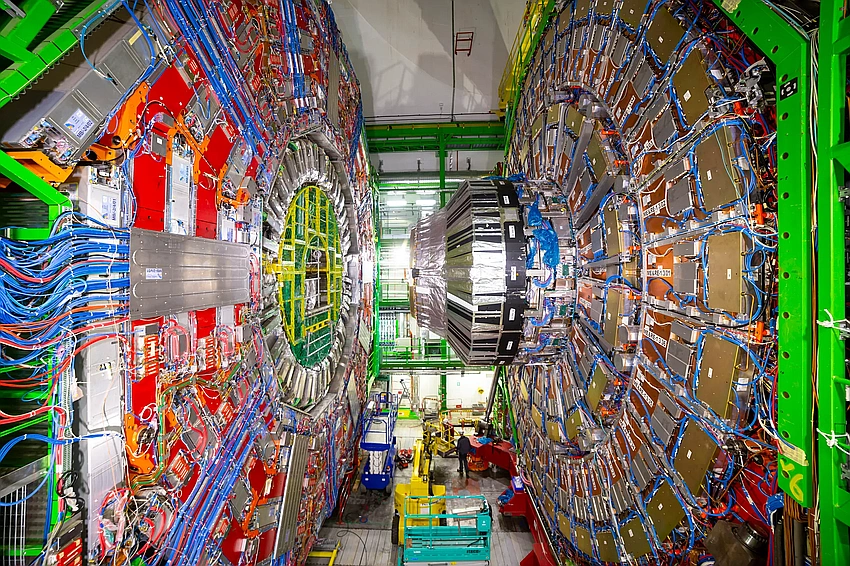
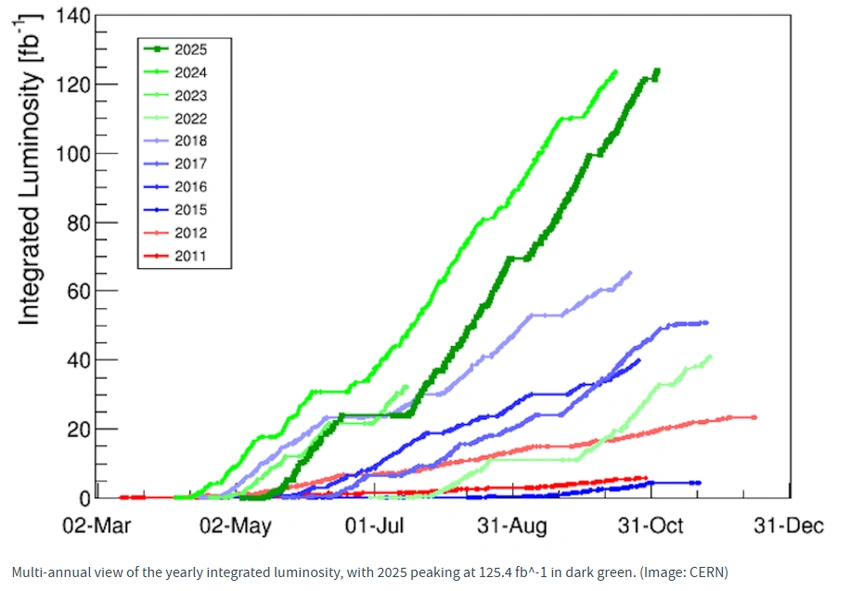
The Large Hadron Collider has once again stunned the world. In 2025 it delivered a record 125 inverse femtobarns of integrated luminosity. This achievement came during the proton run at a collision energy of 13.6 teraelectronvolts. ATLAS and CMS experiments captured this massive dataset. The total since 2010 now exceeds 520 inverse femtobarns.
CERN confirmed the milestone in its official accelerator report. The record surpassed the 2024 performance by 1.5 fb⁻¹. It was achieved in fewer days than the previous year. The LHC also met or exceeded targets for LHCb and ALICE. This shows the machine’s unmatched efficiency and precision.
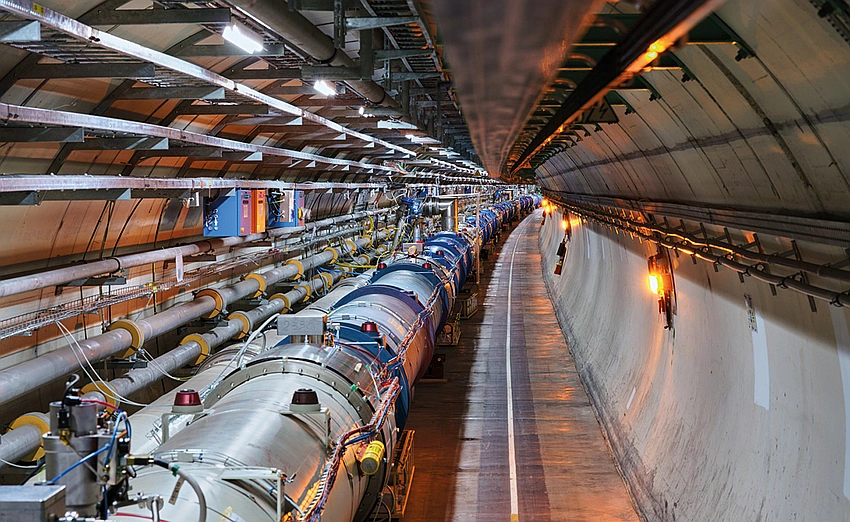
The scale of collaboration is extraordinary. More than 10,000 scientists and hundreds of institutions across 100 countries contribute to the LHC. Built between 1998 and 2008, it remains the most powerful particle accelerator ever constructed. Each run pushes the boundaries of human knowledge.
Public reaction reflects both awe and curiosity. One viewer commented that learning the term femtobarn was eye opening. Another expressed excitement that humanity continues to explore fundamental physics. Some voices raised questions about risks but the dominant sentiment was admiration.
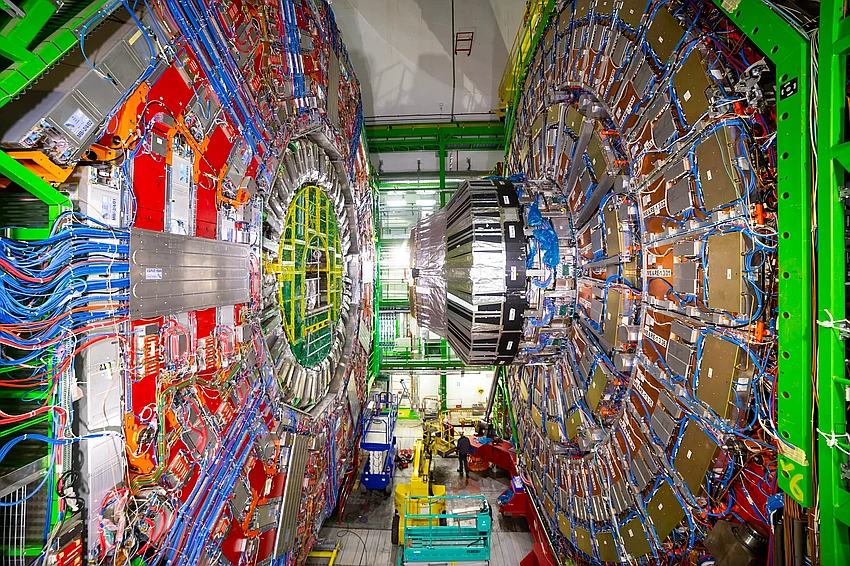
The achievement matters beyond numbers. High luminosity means more collisions. More collisions mean more chances to uncover rare phenomena. This could lead to discoveries about dark matter or new particles. Every dataset adds to the foundation of modern physics.
CERN’s video announcement highlighted the scale of data collected. Social media buzzed with praise for the engineering feat. The LHC continues to inspire both scientists and the public. It is not just a machine but a symbol of global cooperation and ambition.
As the LHC gears up for its next lead ion run, expectations are high. The record of 125 fb⁻¹ sets a new benchmark. It proves that the frontier of physics is still expanding. The collider remains the beating heart of discovery.
In article sources
https://home.cern/news/news/accelerators/accelerator-report-2025-another-record-breaking-year-protons-lhc
