Iran's Supreme Leader Ali Khamenei dies; nation mourns in 40 days

Iran's Supreme Leader Ali Khamenei dies; nation mourns in 40 days
Iran confirms the death of its Supreme Leader, triggering 40 days of national mourning as regional politics shift and the world watches for the next moves.
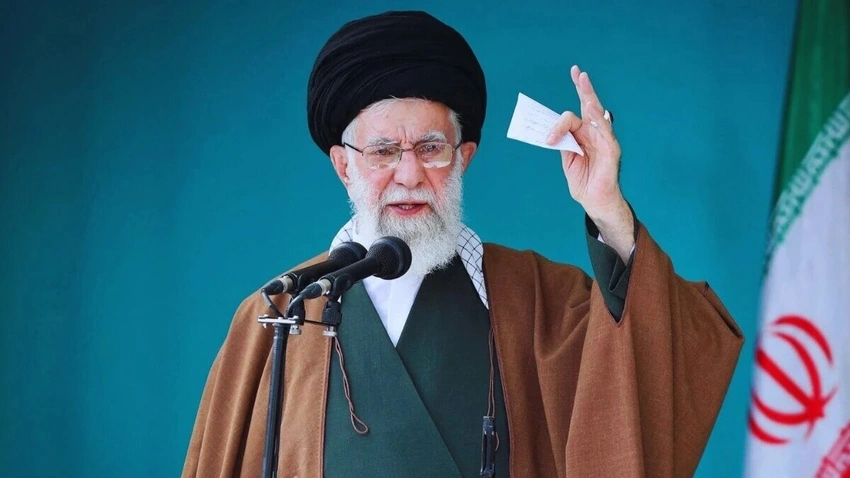
Iran confirmed the death of its Supreme Leader, Ayatollah Ali Khamenei, a development that has plunged the country into a period of national mourning. The announcement comes hours after a high-profile post on social media about his passing, amplifying the shock across political and security circles.
Born in 1939 in Mashhad, Khamenei was the son of a religious scholar and rose through Iran's political-religious ranks after joining Ayatollah Ruhollah Khomeini's opposition to the Shah in 1962. Following the 1979 Islamic Revolution, he helped organize the Islamic Revolutionary Guard Corps (IRGC) and played a key role in shaping the country’s security apparatus. After Khomeini’s death in 1989, the Assembly of Experts selected him as Supreme Leader, a position he held for more than three decades, overseeing seven presidents and maintaining a firm stance on Iran’s security and regional posture.
State media described Khamenei as a “great scholar” and a devoted mujahid, saying he sacrificed his life to lift Iran and was now in the presence of martyrs. Iran announced 40 days of national mourning in his honor, signaling the scale of the leadership transition and the national grief that followed.
The development drew a wave of responses, including a post from the US president on Truth Social, who framed the event as “justice for the people of Iran.” In a separate line of reporting from state-linked outlets, there were claims that members of Khamenei’s family, including his daughter and grandchild, were killed in strikes. The reports underscored how the leadership transition could touch on both domestic concerns and regional tensions as Tehran recalibrates its strategy under new circumstances.
Analysts note that Khamenei’s death could herald shifts in Iran’s foreign and defense posture, given his long influence over security institutions like the IRGC and the direction of Iran’s policies toward rivals and allies. As the country observes the mourning period, officials are watching for how power centers will organize under a new leadership dynamic, and how regional stakeholders will respond to potential changes in Iran’s approach to diplomacy and conflict.
The coming days are likely to be watched closely for announcements on succession, policy priorities, and any changes in Iran’s domestic governance as the nation recalibrates after a long era under one of its most enduring leaders.

Login to comment.
No thots yet. Be the first to share your thoughts!