Trump Threatens to Fire Powell Over Fed Stay Beyond May

Trump Threatens to Fire Powell Over Fed Stay Beyond May
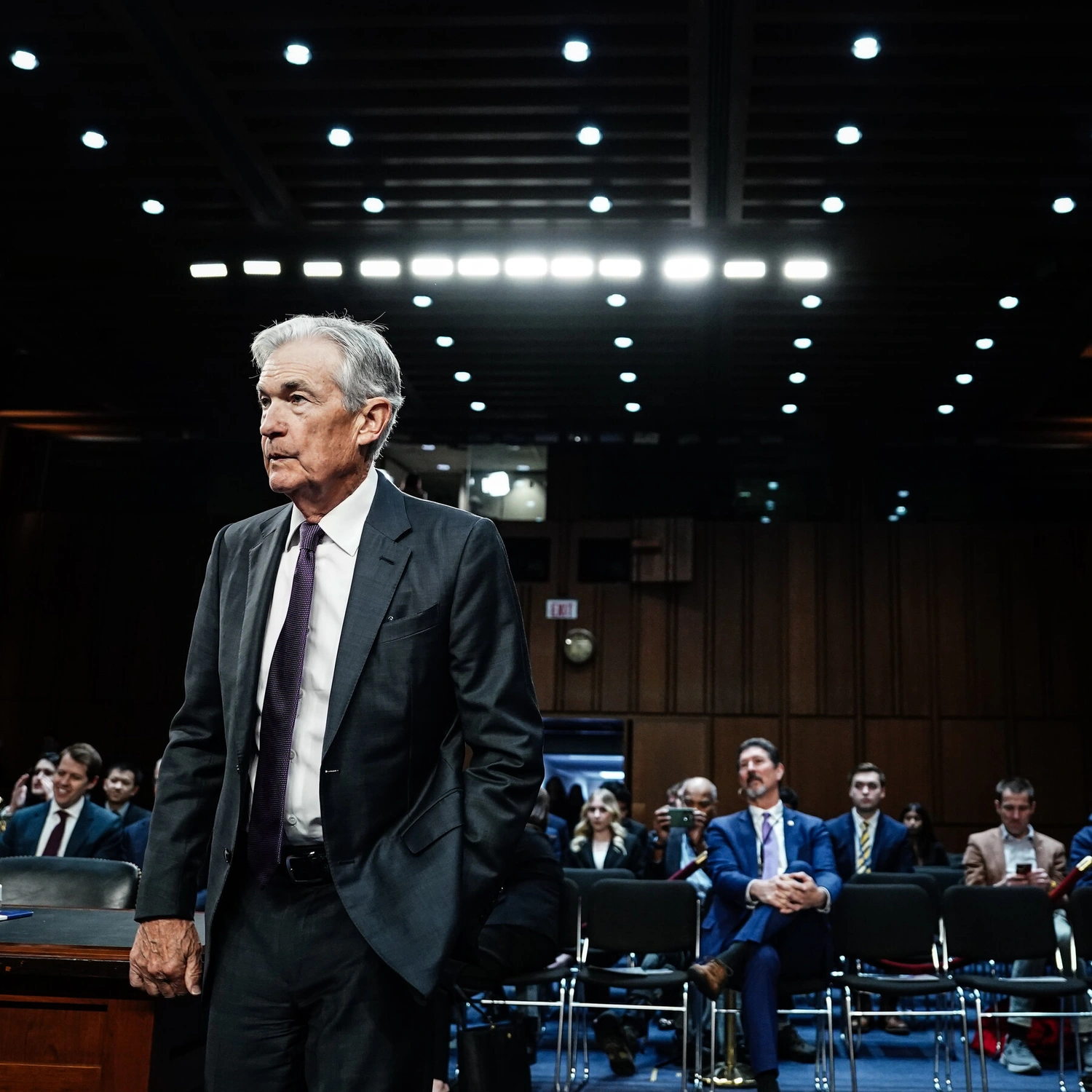
President Trump escalates his clash with Federal Reserve Chair Jerome Powell, threatening to fire him if he stays past May while Powell could linger as a governor and Warsh faces Senate scrutiny.
In Washington, President Trump intensified his clash with Federal Reserve Chair Jerome Powell, warning that Powell could be fired if he does not step aside when his term ends in May. Powell's term as Fed chair officially expires on May 15, but he has signaled he could stay on in some capacity after that date, a stance that has set up a high-stakes power struggle over who leads U.S. monetary policy.
The dispute centers on Powell's independence and the possibility that Powell could remain as a governor until 2028, or at least until his successor, Kevin Warsh, is confirmed by the Senate. Trump added that he would not be comfortable with leaving the matter unresolved, insisting that the investigation into the renovation of the Fed building must be resolved first. Powell has previously indicated he would stay until the investigation is concluded, a development that has complicated the transition timeline.
Supporters of Warsh have encountered opposition from Senator Thom Tillis, who has warned he will block Warsh's confirmation if the probe into Powell remains unresolved. Trump has said he hopes Tillis will drop his opposition, but he also stressed that the law calls for the proper sequence of events if Warsh is not confirmed before Powell's term ends.
Meanwhile, Treasury Secretary Scott Bessent offered cautious optimism that Warsh could be confirmed before May 15, signaling a path to a timely transition if the Senate acts swiftly. The developments come as the Fed navigates its policy path amid a complex macro backdrop, with questions about how political pressure might influence central-bank independence during a famously sensitive period for interest-rate decisions.
Across policy circles, the confrontation has sparked fresh scrutiny of the balance between political leadership and monetary policy, underscoring the tension that can arise when a president seeks influence over an institution designed to operate independently. For now, Powell remains in office in a legally defined sense, while the fight over who should ultimately lead the Fed continues to unfold in public and behind closed doors.
