US-Iran War Bill Hits $38B & Rising: Fueling Inflation & Taxpayer Woes 💸
US-Iran War Bill Hits $38B & Rising: Fueling Inflation & Taxpayer Woes 💸
The US-Iran conflict has cost over $38 billion and is fueling inflation, projected to be 0.5% higher until 2027! Dive into the CBO report details, its impact on American taxpayers, and the political fallout.
The ongoing U.S. war against Iran has already cost the Department of Defense more than $38 billion through August 1, and the financial toll isn't slowing down. According to a recent assessment from the nonpartisan Congressional Budget Office (CBO), the conflict could continue to drain up to $3 billion or more each month, depending on its intensity.
Beyond the direct defense spending, this war is also hitting American wallets through inflation. The CBO predicts that the conflict will contribute to higher inflation well into the first quarter of 2027, making it roughly 0.5 percentage points higher than previously estimated.
This economic pressure is largely attributed to disruptions in oil and natural gas shipments through the critical Strait of Hormuz and challenges to shipping routes in the Red Sea.
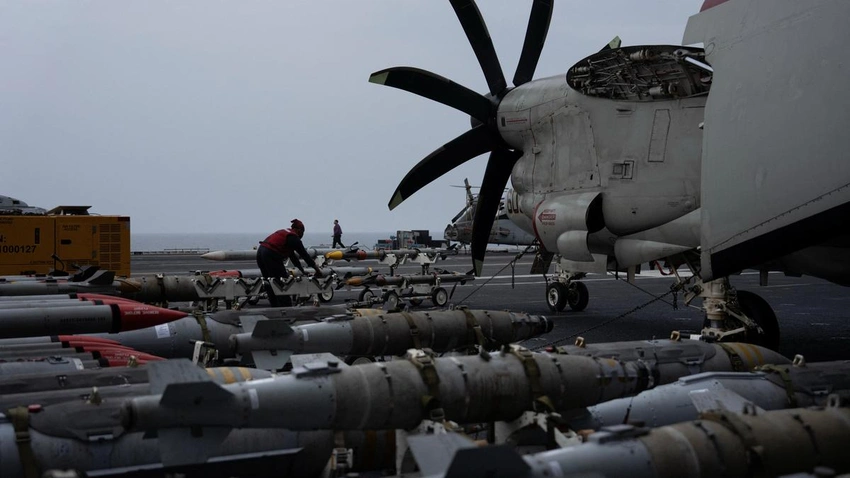
The cost estimates, which largely cover replacing munitions and equipment lost in battle, align closely with Defence Secretary Pete Hegseth's previous testimony of $37.5 billion. However, it's crucial to note that these figures don't include the immense human cost, such as compensation for U.S. military personnel killed or injured, or long-term veterans' healthcare and disability.
Rep. Brendan Boyle, a top Democrat on the House Budget committee, who requested the CBO assessment, highlighted the dual burden:
beyond with the war's human toll, this nonpartisan CBO report makes clear that the war has also cost American taxpayers tens of billions of dollars and counting, while continuing to drive up costs.
He criticized past Republican stances on domestic spending, contrasting it with the immense funds allocated for this conflict. Former President Donald Trump has also indicated he is "open" to engaging with Iran and believes the war could end after the U.S. midterm elections.
As voters head to the midterm elections, where Republicans currently hold control of Congress, the war and rising prices are major concerns.
The conflict, now in its seventh month since starting on February 28, shows no signs of a quick resolution.
A White House request for $87.6 billion in supplemental funding, largely for the war, has yet to be approved by Congress.
The CBO estimates that about $42.3 billion of that request directly relates to the conflict, which is about 10% higher than its own projections for DoD costs.
Adding to the complexities, the Defence Department notably declined to respond to the CBO's request for information, a departure from standard practice. This means the CBO's estimates, relying on public reports and government databases, are "subject to considerable uncertainty." Furthermore, a Pentagon inspector general report has warned that the war has led to significant "strategic inventory shortfalls."

Login to comment.
No thots yet. Be the first to share your thoughts!