Pixel Power-Up: How Retro Art is Redefining Sports Data

Pixel Power-Up: How Retro Art is Redefining Sports Data
Forget boring stats! A new wave of apps like Ribbie is turning real-time sports data into delightful, pixelated arcade experiences. Get ready to game-ify your game-watching!
There's a quiet revolution happening in sports media, and it's painted in 8-bit. We're witnessing a fascinating trend: the pixel art revival, particularly in how we consume and interact with real-time sports data. It's not just a nostalgic fad; it's a smart, strategic move to gamify the sports experience for a generation that grew up with both high-definition graphics and a deep appreciation for retro aesthetics.
At the forefront of this movement is an app called Ribbie.
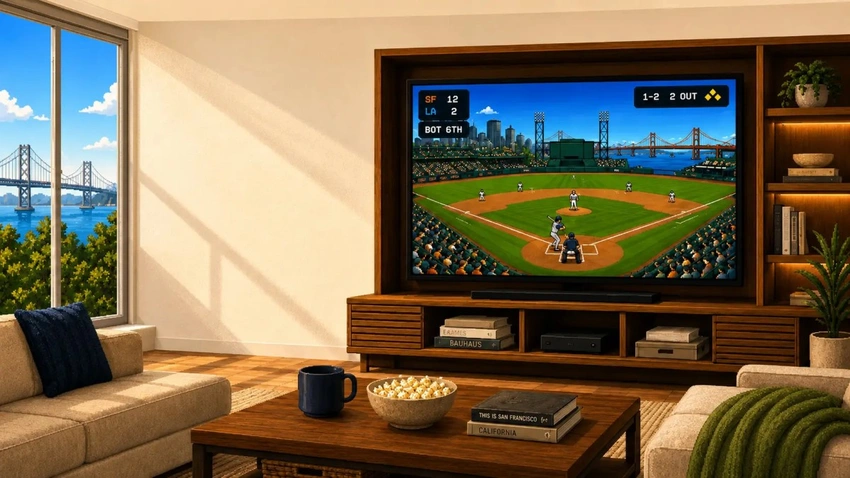
If you're a fan of baseball, particularly MLB games, Ribbie offers an entirely fresh perspective. Instead of the usual slick, hyper-realistic graphics you might expect from a modern sports app, Ribbie embraces a delightful, arcade-inspired interface rendered in charming pixel art.
It takes complex, real-time baseball stats and distills them into a visually engaging, easy-to-digest format that feels more like playing a classic video game than watching a broadcast.
Why pixel art, you ask? The answer lies in several compelling factors. Firstly, it's about connection.
Pixel art taps into a collective nostalgia for the golden age of gaming, immediately creating a sense of fun and familiarity. This aesthetic, once a limitation, is now a deliberate choice, signaling a playful approach to what can sometimes be overwhelming data. Think about it: a strikeout looks less like a missed swing and more like a satisfying thwack from an old-school arcade title.
Secondly, simplicity is key. In an era of data overload, pixel art excels at conveying information clearly and concisely. By abstracting complex movements and stats into stylized, blocky forms, Ribbie makes it incredibly easy to follow the action live.
A ball's trajectory, a player's position, or a crucial game state becomes instantly understandable, even for casual fans.
It's about effective communication without the visual clutter.
This approach to gamifying sports data resonates strongly with a new generation of fans. They're digitally native, accustomed to interactive experiences, and often seek out content that entertains as much as it informs. Ribbie doesn't just present the scores; it invites users into a playful, interactive world where every pitch and hit feels like a moment in a game you're actively participating in.
This interactive layer significantly boosts engagement, turning passive viewership into an active, delightful experience.
The broader implications are exciting. Imagine real-time basketball stats displayed with pixelated slam dunks, or soccer matches visualized like an early 90s console game.
The fusion of sports analytics with retro-gaming aesthetics creates a unique niche that stands out in a crowded market.
It proves that innovation doesn't always mean pushing boundaries with cutting-edge realism; sometimes, it means looking back to find new ways forward.
What Ribbie is demonstrating is a powerful lesson: by embracing a distinct, accessible visual language, we can transform how fans connect with their favorite sports. It's an example of how creativity and thoughtful design can make even the most intricate data points enjoyable and accessible, proving that sometimes, the best way to move forward is to take a delightful step back into the pixelated past.
