Transatlantic strains deepen at Munich Security Conference

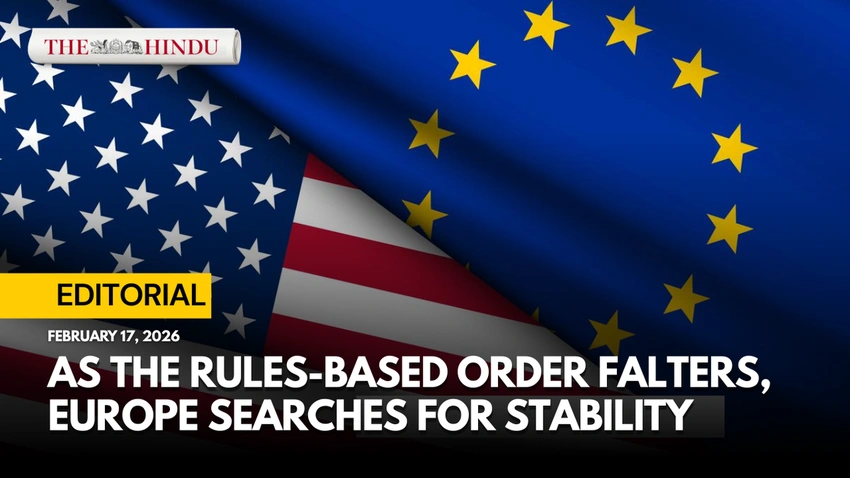
Transatlantic strains deepen at Munich Security Conference
European and U.S. leaders confront widening rifts over war, unpredictability, and domestic turmoil at the Munich forum, signaling shifts in the Atlantic alliance.
At the Munich Security Conference, European and American leaders confronted widening fractures in the transatlantic relationship. Delegates acknowledged mounting pressures from ongoing wars, NATO commitments, and a shifting global order, all amid political turbulence at home.
European officials argued for a more independent strategic posture, urging engagement with a broader set of partners and faster diversification of energy and defense supply chains to reduce over-reliance on any single ally. They stressed that Europe cannot assume long-term guarantees without shared burden and decision-making.
Transatlantic partners on the U.S. side signaled unpredictability in policy and a willingness to reassess priorities, raising eyebrows about commitment credibility, especially during crises. Discussions touched on how domestic politics can shape foreign policy and whether alliance cohesion can endure under strain.
Analysts warn that lingering rifts could complicate joint responses to threats, from strategic competition to humanitarian crises. Yet observers also emphasize opportunities to recalibrate ties—pushing for clearer commitments, more transparent dialogue, and coordinated diplomacy to keep the Atlantic alliance resilient.
By the close of the conference, attendees stressed the importance of frank conversation and practical steps to reassure allies while preserving room for Europe to pursue its own security preferences. The tone suggested that the next phase of transatlantic relations will hinge on trust, predictability, and shared responsibility.
