US Missile Stock Critically Low After Iran War, Raising Global Concerns
US Missile Stock Critically Low After Iran War, Raising Global Concerns
Shockwaves as US Army's long-range missile inventory plummets after the Iran War. Experts warn of critical readiness gaps against Russia & China. #USMilitary #IranWar
The United States Army has reportedly exhausted "virtually all" of its crucial long-range missile stockpiles during a five-month conflict with Iran, raising significant alarm bells regarding its readiness for future global engagements.
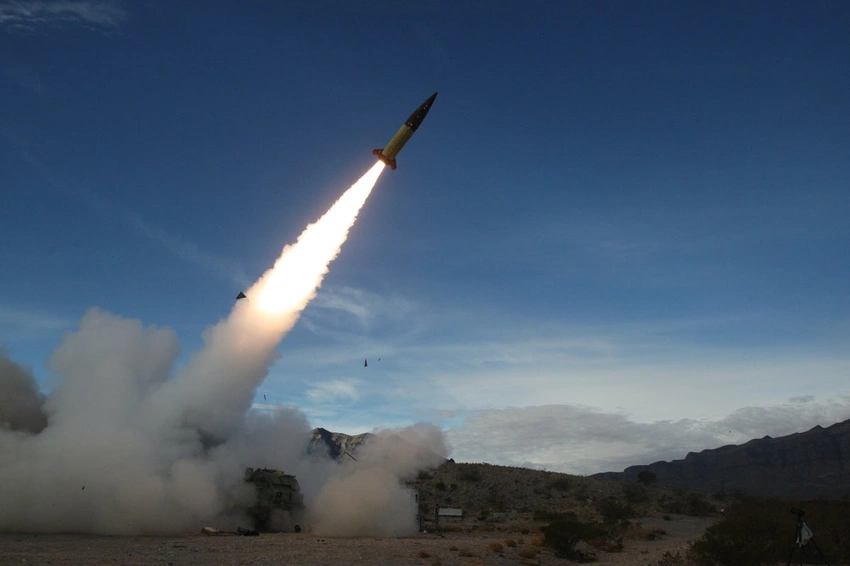
This depletion includes key surface-to-surface weapons such as the Army Tactical Missile Systems (ATACMS) and the newer, more advanced Precision Strike Missiles (PrSM).
Sources familiar with the data indicate that the extent of this depletion, particularly of ATACMS and PrSM, has not been widely reported until now. These highly accurate weapons, each costing over $1 million, are vital for delivering precise strikes from a safe distance and have been instrumental in various conflicts, including the use of US-supplied ATACMS by Ukrainian forces against targets inside Russia.
The conflict, which President Donald Trump reportedly launched jointly with Israel in February, was initially predicted to be short-lived. However, as the "Iran war" has dragged on, concerns are mounting among military experts. They worry that the severely reduced missile supplies could significantly hinder the U.S.'s ability to deter powerful adversaries like Russia and China, potentially impacting global stability.
While Central Command, overseeing US forces in the Middle East, has nearly depleted its pre-war land-based missile inventory, it has been able to replenish some stocks by drawing from other U.S. military supplies worldwide. Despite this, the overall strain on the nation's strategic missile reserves remains a serious issue that demands immediate attention and strategic reevaluation. The long-term implications of this critical shortfall could redefine the landscape of future military preparedness and international relations.
