Vance’s Skydiving Analogy Roils Iran Ceasefire Talks

Vance’s Skydiving Analogy Roils Iran Ceasefire Talks
Vice President JD Vance uses his wife’s skydiving moment to frame Iran ceasefire talks as negotiators push for a lasting end to weeks of conflict.
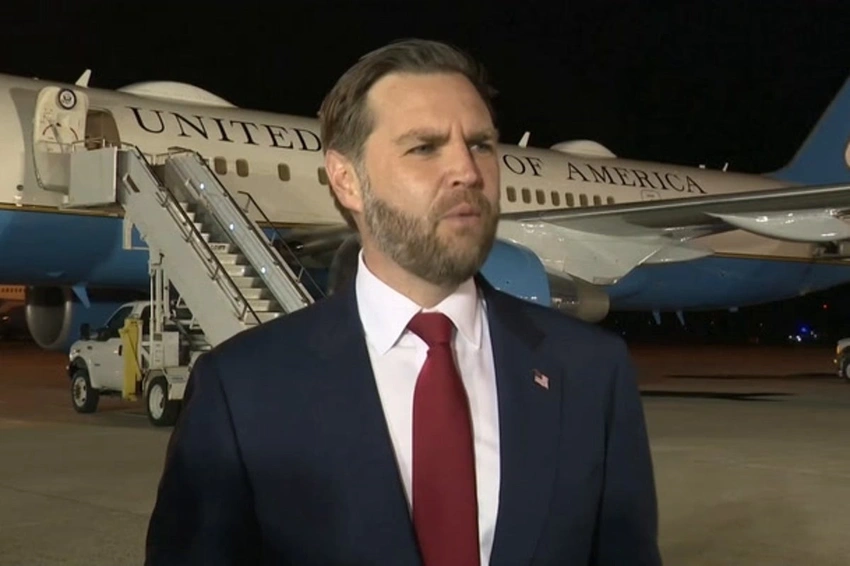
The U.S. and Iran agreed to a two-week ceasefire as negotiators press for a broader end to weeks of fighting in the Middle East. On the tarmac in Budapest, Hungary, Vice President JD Vance addressed reporters and used an analogy about his wife, Usha Vance, to explain the challenges of the ceasefire. When asked whether the administration might allow Iran to continue civilian nuclear enrichment, the president's stance was clear: the United States does not want Iran to have the capacity to build a nuclear weapon, and it does not want Iran enriching toward one. The United States is seeking to insist on Iran giving up nuclear fuel as a condition of any broader agreement.
Meanwhile, Iran's 10-point proposal to end the war, voiced by Mohammad Bagher Ghalibaf, includes Iran's right to enrichment, a point that underscores the complexity of the talks. After more than five weeks of fighting and recent strikes on Iran’s nuclear sites, negotiators are racing to draft terms that can sustain the ceasefire while addressing the strategic concerns of both sides. The IAEA has reported Iran had enlarged its stockpile of uranium enriched to near weapons-grade levels, according to a confidential IAEA report obtained by the Associated Press. As talks unfold in parallel with on-the-ground fighting, observers say the real test will be whether bold concessions can translate into a durable pause rather than a fragile lull.
Vance’s chosen analogy—linking his wife’s right to skydive to Iran’s demand for enrichment—has sparked chatter about how leaders communicate tough demands to the public. Supporters say the remark makes policy tangible, while critics worry it risks oversimplifying a high-stakes negotiation. Either way, the ceasefire offers negotiators a window to seek a lasting end to the conflict, even as both sides brace for tough negotiations in the coming days.
