Chhattisgarh Tables Freedom of Religion Bill with Life Term for Mass Conversions

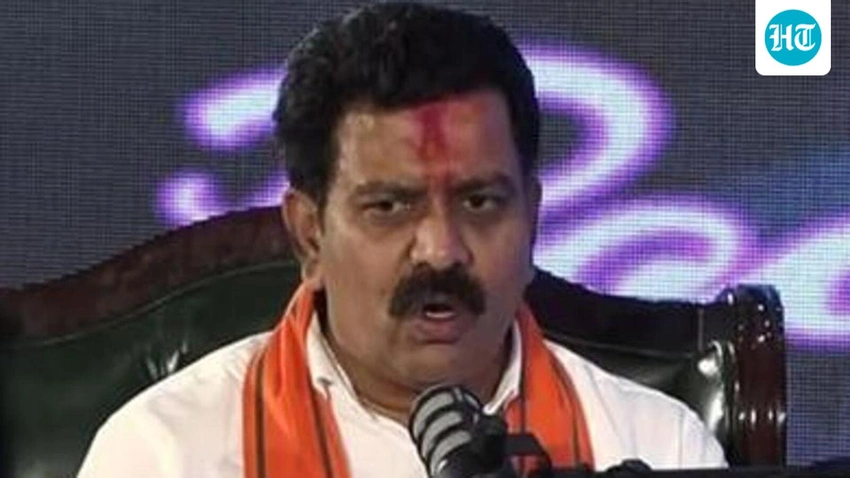
Chhattisgarh Tables Freedom of Religion Bill with Life Term for Mass Conversions
Chhattisgarh introduces the Freedom of Religion Bill 2026, proposing life imprisonment for mass conversions and defining allurement, coercion, and digital persuasion.
The Chhattisgarh government on Thursday tabled the Chhattisgarh Dharm Swatantraya Vidheyak, 2026 (Freedom of Religion Bill, 2026) in the Assembly. The bill aims to curb religious conversions carried out through force, inducement, fraud or misrepresentation, and proposes stringent penalties, including life imprisonment in cases of “mass conversion.” The bill replaces the Chhattisgarh Dharm Swatantraya Adhiniyam, 1968 and was introduced by deputy chief minister Vijay Sharma, who also holds the Home portfolio. The government said the existing law—limited largely to post-conversion intimation to the district magistrate—has become inadequate in view of changing socio-economic conditions and advancements in technology and communication. The new Bill seeks to prohibit conversions carried out through force, coercion, undue influence, allurement, misrepresentation, fraudulent means, or marriage, including through digital platforms such as social media and electronic communication. It also bars any person from directly or indirectly promoting or conspiring to convert another person through such illegal means. Allurement has been defined to include monetary benefits, gifts, employment, free education or medical facilities, promises of a better lifestyle, or marriage, while coercion includes psychological pressure, physical force, threats and even social boycott. Mass conversion is defined as the conversion of two or more persons in a single event. All offences under the proposed law will be cognisable and non-bailable. However, reconversion to one’s ancestral religion will not be treated as conversion. The Bill prescribes stringent penal provisions. General violations may attract imprisonment of not less than seven years, extendable to 10 years, along with a minimum punishment term for such offences. Reconversion to ancestral religion is excluded from being treated as a conversion under the new law. During the discussion on the bill, Sharma, who also holds the Home portfolio, accused the Congress of indulging in vote bank politics.
