The Truth Behind Celebrity Memoirs: Cash Grab or Confession?

The Truth Behind Celebrity Memoirs: Cash Grab or Confession?
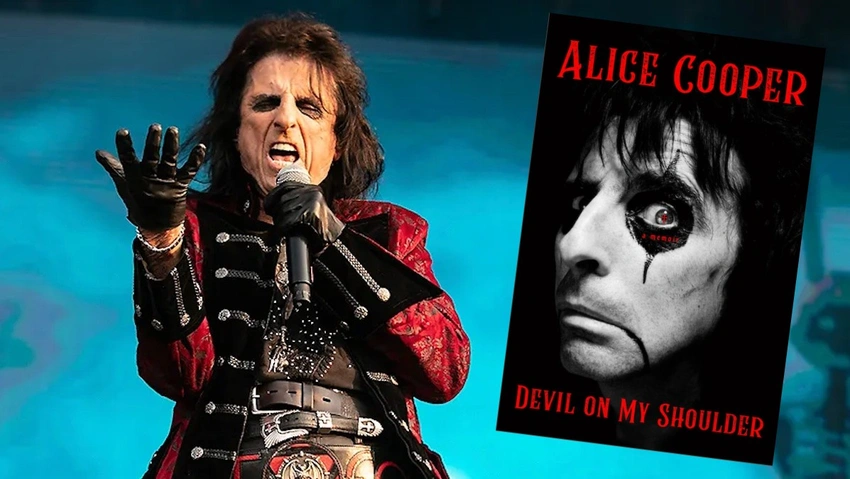
Shock rocker Alice Cooper is dropping a new memoir, promising to separate myth from reality. But are celebrity autobiographies genuine self-reflection or just a clever nostalgia trap? Let us dive into the memoir boom.
Let us explore the recent announcement that legendary shock rocker Alice Cooper is releasing his definitive autobiography this October. Titled Devil on My Shoulder, the book promises to sort reality from myth. Cooper plans to track his personal evolution and detail how he finally tamed his monstrous alter ego. He is even embarking on a UK book tour to support the release.
Hearing this news brings up a question that surfaces every time a famous figure puts pen to paper. Are celebrity memoirs a money making nostalgia play, or do they offer honest self examination?
The Allure of Nostalgia
There is no denying that nostalgia is a massive money maker. When a musician has a career spanning over thirty records and sixty plus years, they have built an empire of fans who want to relive the golden days. For publishers in the US and UK, a rock legend like Cooper is an incredibly safe bet. Readers crave the wild tales of the past. They want to hear about the evangelical terrors, the Ouija boards, the poltergeists, and the resurrections from the grave.
Fans are eager to consume stories about the classic rock era. They want the behind the scenes gossip about cross dressers, thieves, and hopeless alcoholics. When a famous person writes a book, the marketing practically does itself. You slap a legendary name on a hardcover, ebook, or audiobook, and the pre orders on Amazon roll in. From a purely cynical perspective, the celebrity memoir is the ultimate retirement fund. It packages memories into a highly marketable product.
The Drive for Real Confessions
However, dismissing all these autobiographies as mere cash grabs is unfair. The process of writing a memoir requires a significant amount of introspection. When your life has been heavily publicized, your actual story often morphs into a tangle of embellishments, elaborations, and outright fabrications. At some point, an artist wants to reclaim their narrative.
Cooper himself says he is coming clean about the extent of his addictions. He plans to delve into his blackout years and the creative process fueled by alcohol, drugs, and endless television. He wants to detail his scramble to the top and his terrible slide back down. That level of vulnerability is hard to fake.
Here are a few reasons why these memoirs often lean toward genuine self examination:
- Setting the Record Straight: Rumors run wild in the entertainment industry. A book allows a celebrity to finally address the slaughtered chickens, the bans, and the record burnings on their own terms.
- Therapeutic Value: Confronting house fires, car crashes, and past mistakes is heavy work. Writing it all down can be incredibly healing.
- Humanizing the Monster: In the beginning, Alice Cooper was a band name, then a stage name, and finally a monster. A memoir breaks down that monstrous persona and reveals the flawed human underneath.
The Reader's Expectation
What do we really want when we pick up an autobiography by a shock rock pioneer? Are we looking for profound life lessons, or are we just seeking entertainment? The answer varies from person to person. Some readers are die hard fans who want to document every single detail of the creative process. Others are casual observers drawn to the spectacle of a messy, chaotic life.
When artists promise to reveal events for what they really were, they are tapping into our collective curiosity. We want the curtain pulled back. We want to know if the wild rumors we heard decades ago have any basis in reality. This dynamic creates a perfect storm for publishing success. The author gets to purge their demons, and the audience gets their curiosity satisfied.
A Blend of Both Worlds
The truth is that celebrity memoirs exist right in the middle. They are absolutely a nostalgia play designed to generate revenue. But they are also a platform for genuine reflection. A book can be both a commercial product and a deeply personal confession.
When Devil on My Shoulder hits shelves, fans will buy it for the sensational stories. They want the shock and the awe. Yet, if the book is truly successful, they will stay for the honesty. They will connect with a man who battled extreme addiction and lived to tell the tale.
We love celebrity memoirs because they give us a backstage pass to lives we could never imagine living. Whether motivated by money or a desire for truth, these books keep the legends alive. So, when October rolls around, many of us will gladly open our wallets. We want to see how the monster was tamed, and we are more than willing to pay the price of admission.
