Color Magic or Viral Shortcut? Why Online Tricks Blur Artistic Mastery

Color Magic or Viral Shortcut? Why Online Tricks Blur Artistic Mastery
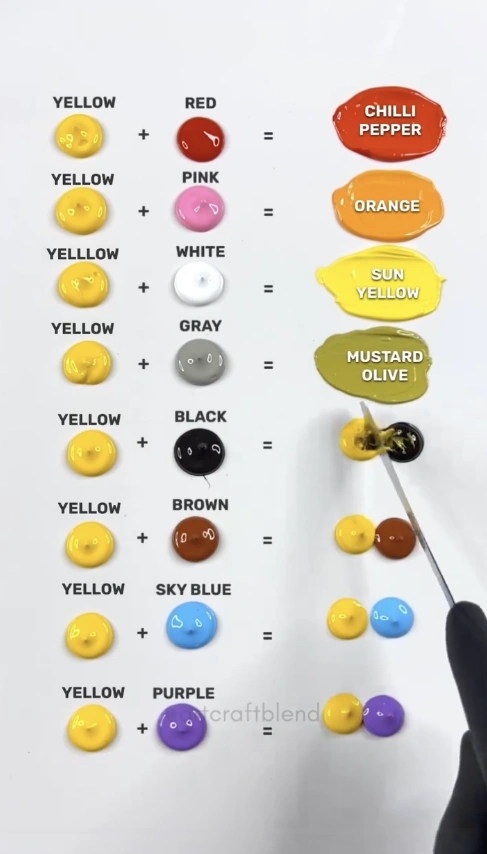
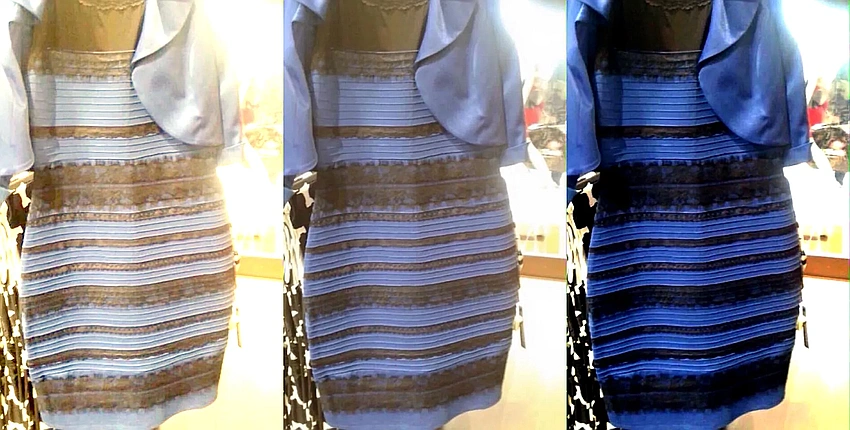
Ever since the infamous blue-and-gold dress debate, the internet has developed an enduring fascination with colour. What was once a niche subject studied by artists, designers, and scientists has become one of social media's favourite forms of visual entertainment. Every week seems to bring a new revelation: a magical paint that glows, a secret formula for mixing impossible colours, or a revolutionary colour palette that supposedly overturns centuries of artistic knowledge.
The appeal is obvious. Colour feels mysterious. It appears to offer hidden rules waiting to be unlocked. Yet much of the colour theory circulating online is less about understanding colour and more about creating content that is surprising enough to go viral.
What interests me is not whether these videos are technically wrong, although many are. It is the cultural desire behind them. Why are we so eager to believe that artistic mastery can be condensed into a thirty-second trick?
 The Fantasy of the Secret Shortcut
Social media thrives on revelation. Every algorithm rewards the appearance of hidden knowledge. The ideal video is one that convinces viewers they have discovered something that experts do not want them to know.
This logic has found a comfortable home within discussions of colour. Videos promising "glowing" paints, impossible colour mixtures, or revolutionary palettes attract millions of views because they offer the fantasy that creativity is fundamentally a matter of possessing the right information.
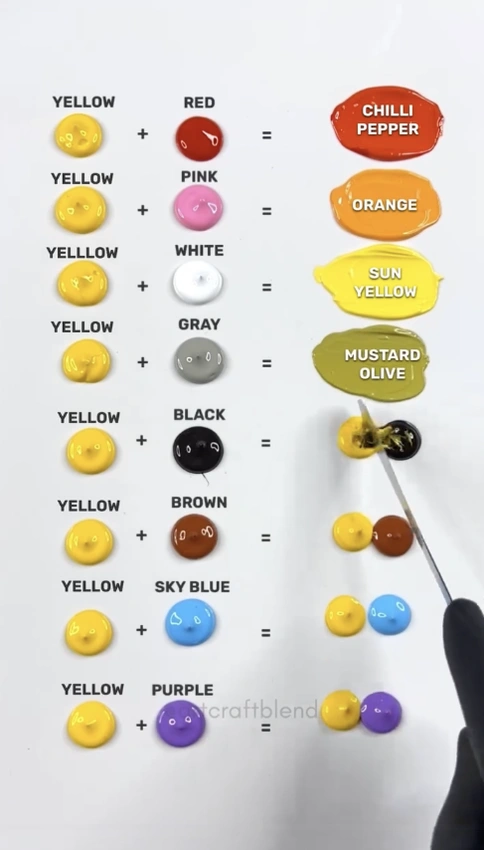
The reality of painting is much less dramatic. Paint does not glow because of a secret mixing technique. Adding white paint to a colour does not somehow create a more saturated version of it. Most artistic decisions involve observation, practice, and repetition rather than hidden formulas. Yet these truths are far less marketable than a shocking visual illusion.
The internet often mistakes knowledge of niche facts for artistic skill itself. Knowing the vocabulary of colour science becomes more valuable than actually learning how to see.
 Colour Theory Versus Colour Practice
One of the most striking points raised in discussions of online colour culture is the confusion between theoretical colour science and practical painting.
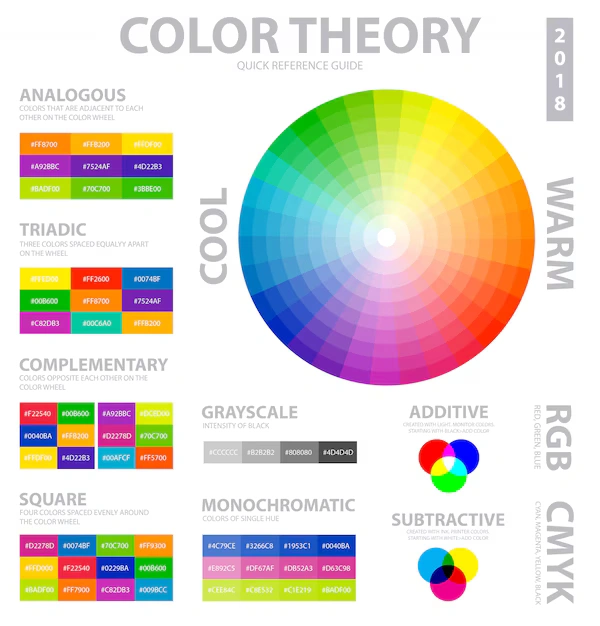
Much online discourse treats colour theory as a set of universal laws. If cyan, magenta, and yellow can theoretically produce a wider range of colours than red, yellow, and blue, then many creators conclude that centuries of painters must simply have been wrong.
But painting has never operated according to pure theory alone. Real pigments are physical materials with different properties, histories, transparencies, and limitations. Artists do not work with abstract colour models. They work with actual substances.
This distinction is often lost online because theory is easier to visualise than practice. A colour wheel can fit neatly into a TikTok video. Years of learning how to control colour relationships cannot.
The result is an internet culture that privileges explanation over experience. The diagram becomes more important than the painting.
The Myth of the Perfect Palette
Perhaps nowhere is this clearer than in debates over the "correct" set of primary colours.
Online discussions frequently frame colour palettes as ideological battles. Red, yellow, and blue versus cyan, magenta, and yellow. Traditional versus modern. Old versus new.
What these debates ignore is that most painters throughout history did not restrict themselves to three colours in the first place. Historical artists routinely used broad palettes containing numerous pigments chosen for specific purposes. Convenience, efficiency, and subject matter often mattered more than theoretical purity.
 The obsession with finding the one true palette reflects a broader internet tendency. Complexity is uncomfortable. Simplicity is shareable. A neat rule spreads further than a nuanced explanation.
Yet artistic practice rarely operates through universal solutions. Different paintings require different tools. The search for a perfect palette often says more about our desire for certainty than about colour itself.
Art History Against Internet Wisdom
What makes many online colour debates particularly strange is how often they ignore the evidence of art history.
The painters most frequently invoked as authorities rarely worked according to the rigid rules later attributed to them. Historical analysis repeatedly reveals artists using wider palettes, more flexible methods, and far greater experimentation than internet mythology suggests.
This pattern appears again and again. A historical artist becomes associated with a simplified technique. The technique becomes a rule. The rule becomes a viral talking point. Eventually, the original context disappears entirely.
The internet loves certainty, but art history is full of contradictions. Artists borrowed, adapted, changed their minds, and used whatever materials helped them achieve their goals. Their practices were often practical rather than doctrinal.
Learning to Look Again
What concerns me most about fake colour theory is not that it spreads misinformation. It is that it encourages a passive relationship with art.
Many online discussions imply that artistic success depends on discovering the right trick. The right palette. The right pigment. The right hidden secret.
But the painters whose work continues to captivate audiences were not distinguished by secret formulas. They were distinguished by their ability to observe, interpret, and respond to the world around them.
Colour is not a puzzle waiting to be solved once and for all. It is a language. Like any language, it requires practice rather than shortcuts. Colour becomes meaningful not through tricks, but through attention.
#ColorTheory #ViralTrends #ColorCulture #MediaLiteracy #BlueGoldDress
