Tamil Nadu minister's migrant remark sparks political row

Tamil Nadu minister's migrant remark sparks political row
A Tamil Nadu minister's controversial remarks linking North Indian migrants to menial jobs draw sharp reactions from BJP and AIADMK, highlighting tensions over development and inter-state migration.
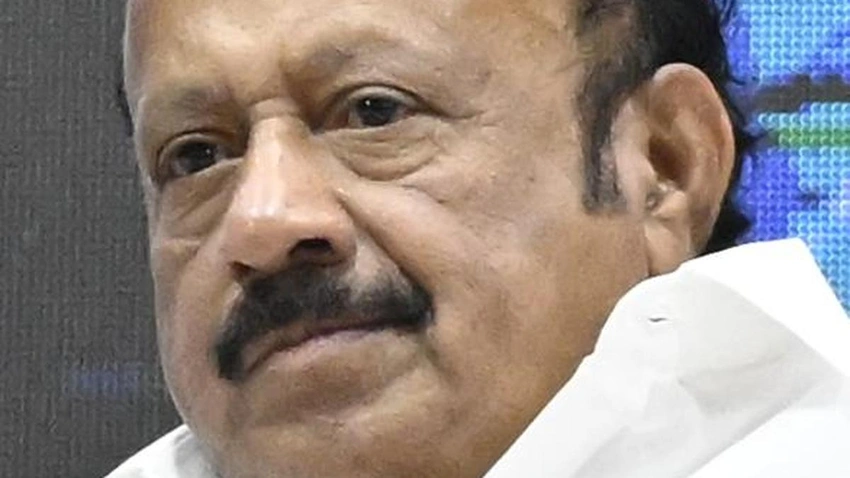
Tamil Nadu Agriculture Minister M.R.K. Panneerselvam sparked a fresh political row after remarks about North Indian migrants at a public event in Mathuranthakam. He framed his comparison around the educational progress of Tamil Nadu's youth versus the socio-economic status of migrant workers, saying North Indian migrants come to the state to sell panipuri, work in construction, or wipe tables, while locals are studying more. The comment drew swift condemnation from the BJP, which accused the ruling DMK of inciting hatred. AIADMK also denounced the remarks as highly condemnable, while the DMK defended the minister, stating he was merely contrasting the development levels between regions.
Political reactions underscored broader concerns about inter-state migration and social cohesion. The BJP argued that such statements risk fanning social divisions, especially in a climate where migrant workers have faced violence in some episodes. AIADMK’s spokesperson stressed that people migrate for livelihoods and should not be disparaged, pointing to Tamil Nadu's reliance on migrant labor for economic activity. The DMK maintained that the minister’s comments were a regional development comparison, not an insult.
The controversy sits within a larger debate about migrant workers who perform a large share of brown-collar work in the state and contribute to its economy. The discussion arrives amid reports of safety concerns for migrants, including an Odisha migrant worker who was beaten and a Bihar couple and their child who were killed, highlighting housing and safety challenges faced by migrant communities. The row thus reflects how development and migration issues have become a flashpoint in Tamil Nadu politics, with implications for social harmony and electoral narratives.
Looking ahead, analysts say the exchange could shape political messaging ahead of elections, testing boundaries between regional pride and national unity in India’s diverse workforce. Observers expect policymakers to emphasize worker protections and housing security even as parties navigate competing regional visions.
