The Smartphone Upgrade Cycle Is Broken, Here's Why!

The Smartphone Upgrade Cycle Is Broken, Here's Why!
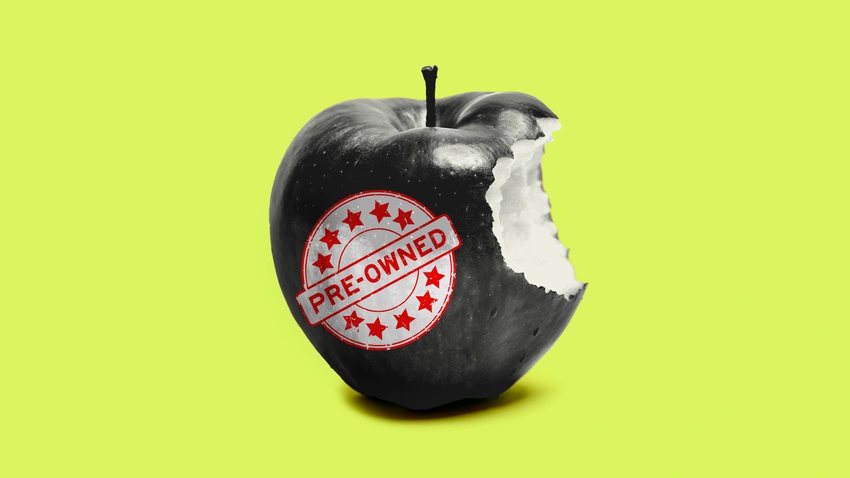
Consumers are ditching new phones for used ones, driving a massive shift in the tech market. Is the era of constant upgrades finally over?
The Great Smartphone Stagnation: Why We’re Ditching the Upgrade Hype
Remember the days when camping out for a new iPhone was a thing? It sounds almost quaint now, right? Andrew Erickson, a long-time tech YouTuber, used to be one of those dedicated folks, recalling a 4:30 a.m. rain-soaked wait for the latest gadget.
But fast forward to today, and even with the iPhone 18 Pro on the horizon, Erickson isn't just skipping the line, he's skipping the new phone altogether.
He's not alone. A quiet revolution is brewing in the tech world. Consumers, fed up with incremental improvements and rising prices, are looking past the shiny new releases.
Instead, they're turning to the secondhand market in unprecedented numbers.
Erickson himself told me he's eyeing an old version of the iPhone 17 Pro when it hits a discount. Already, almost half of his devices are pre-owned, and with electronics prices soaring due to an AI-fueled chip shortage, he expects that number to grow. “The argument's just getting weaker and weaker to buy brand-new,” he declared, and the data backs him up.
The numbers are telling. The global market for used electronics is projected to hit an astounding $153.4 billion this year, a significant leap from $104.1 billion just four years ago. The used-smartphone market alone is set to expand by over 12 percent by 2026.
What's truly remarkable? This growth is happening while the market for new smartphones is expected to see a record drop this year, according to the International Data Corporation. Even e-commerce giant eBay reports that refurbished gadgets, those restored to full working condition, and secondhand electronics are now outpacing new product sales.
So, what's driving this shift? It's simple: practicality over prestige. The thrill of having the “latest and greatest” has faded.
For many, including shoppers I've spoken with, new models are becoming virtually indistinguishable from their predecessors. The days of groundbreaking innovation seem to have given way to minor tweaks and negligible performance bumps. Why shell out top dollar for a device that feels, looks, and performs almost identically to last year's model, especially when a perfectly good, slightly older version can be had for a fraction of the price?
It's about a fundamental reevaluation of our relationship with technology.
We're moving beyond the manufactured hype cycle and embracing a more sustainable, value-driven approach. It's a powerful statement from consumers: we're smart enough to recognize diminishing returns.
The smartphone industry is facing a moment of stagnation, not in innovation necessarily, but in consumer willingness to participate in the endless upgrade merry-go-round.
Get ready, the secondhand surge is here to stay.
