Why Supernatural Was Never Just About Monsters

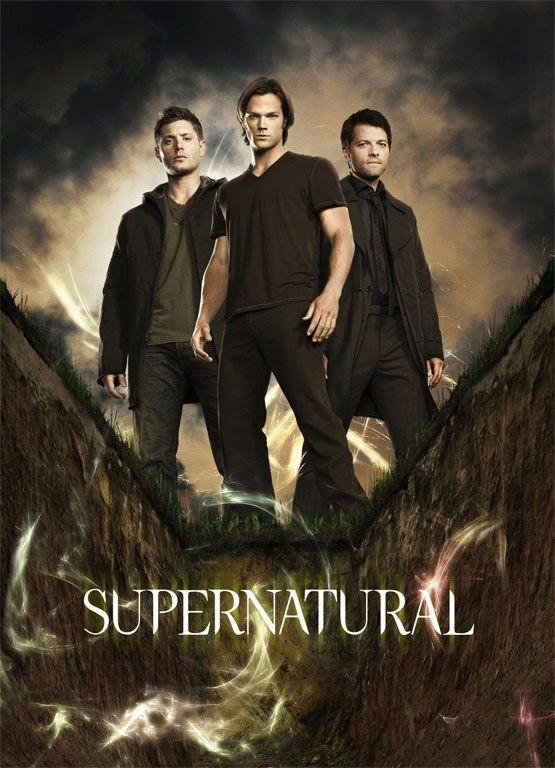
Why Supernatural Was Never Just About Monsters
Why Supernatural Was Never Just About Monsters
At first glance, Supernatural appears to follow a familiar formula: two brothers travel across America, investigate strange deaths, confront supernatural creatures, and save people from dangers hidden beneath ordinary life. Each episode introduces ghosts, demons, vampires, curses, and creatures drawn from myth, folklore, and religion. For many viewers, the show initially seems built around monsters.
But what made Supernatural last for so many years: and why it continues to remain emotionally meaningful long after its early seasons: is that the monsters were never the true center of the story.
The creatures gave the series its structure, but the emotional core was always human: grief, loyalty, guilt, sacrifice, family, and the question of how people continue loving each other while carrying impossible burdens.
From the beginning, the story of Sam Winchester and Dean Winchester is shaped by loss long before any weekly monster appears. Their lives are defined by trauma: the violent death of their mother, a childhood built around danger, and a father who raised them through obsession and survival rather than stability.
This means the series begins not as an adventure, but as a family already marked by grief.
The road trip structure may suggest movement, but emotionally the brothers are often carrying unresolved history with them from one episode to the next.
That is why the monsters matter differently than they do in ordinary fantasy shows. They often reflect emotional themes already present within the characters. A ghost story may involve unfinished grief. A demon may expose fear, guilt, or temptation. A cursed object may trigger memories the characters already struggle to manage internally.
Dean, in particular, represents one of the strongest examples of why the show is not simply about creatures. On the surface, he often appears defined by humor, confidence, and practical strength. But much of his character is built around emotional responsibility taken on too early.
He becomes protector, caretaker, and emotional shield repeatedly, often at personal cost.
This role shapes nearly every decision he makes.
His relationship with Sam is therefore more than brotherhood in a casual sense: it becomes a lifelong structure of duty, love, and fear. Dean does not simply want Sam safe; much of his identity depends on keeping him safe.
That creates emotional weight far beyond monster hunting.
Similarly, Sam’s story is not only about rebellion or intellect. He constantly struggles with identity: how much of his life belongs to himself versus what has been shaped by family history, destiny, and forces larger than him.
He wants normality while being repeatedly pulled back into crisis.
This tension makes him emotionally complex because he is never fully detached from the life he questions.
The monsters may threaten them physically, but the deeper struggle often concerns whether either brother can ever truly escape what their past has already made of them.
Another reason Supernatural became emotionally powerful is that it repeatedly returns to sacrifice: not heroic sacrifice in abstract form, but personal sacrifice within relationships.
Again and again, characters make choices that involve loss because protecting one another becomes more important than personal safety.
This happens so often that viewers gradually understand the real question of the show is not whether a monster will be defeated, but what emotional cost survival will require this time.
That emotional pattern becomes even stronger with the arrival of Castiel. His presence shifts the story beyond hunting into larger philosophical territory: free will, faith, loyalty, and what it means to choose attachment even when duty suggests otherwise.
Castiel’s development matters because he begins within rigid purpose and gradually becomes more human through care, confusion, and moral conflict.
His bond with the Winchesters reinforces one of the show’s strongest themes: chosen family often becomes as important as blood.
This is why many viewers describe Supernatural as comforting despite its darkness.
The monsters change constantly, but the emotional pattern remains familiar: people who continue showing up for one another even when damaged, exhausted, or uncertain.
That consistency creates emotional attachment stronger than plot alone.
The famous car, the road, the repeated return to ordinary American landscapes: all of this strengthens the feeling that despite cosmic events, the heart of the show remains intimate.
Two brothers trying, repeatedly and imperfectly, to remain each other’s home.
That is why the monsters never fully define the series.
They create danger, but danger only matters because viewers care what it does to the people moving through it.
In the end, Supernatural endured because it understood that fantasy becomes powerful when supernatural threats remain secondary to emotional truth.
The creatures were memorable.
The mythology became vast.
But what stayed with viewers most was something simpler: grief carried across years, loyalty tested endlessly, and the stubborn decision to keep saving each other even when the world repeatedly refused to stay saved.
That is why Supernatural was never just about monsters.
It was always about what survives around them.
