China's Top General Under Probe Over Nuclear Data Leak Allegation

China's Top General Under Probe Over Nuclear Data Leak Allegation
Beijing probes a top general amid a sweeping anti-corruption purge, amid claims he leaked nuclear data to the US and aided promotions.
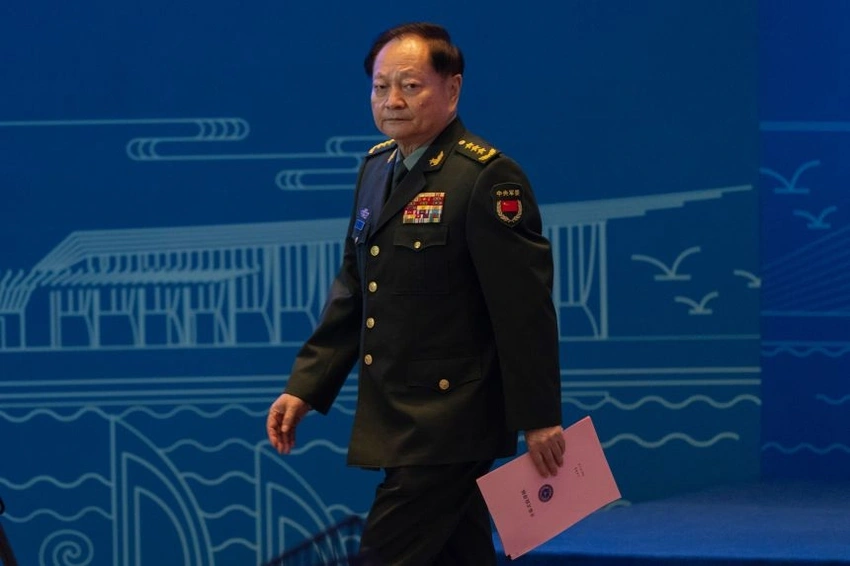
Beijing has placed Zhang Youxia, the country's top-ranking general and a longtime ally of President Xi Jinping, at the center of a widening anti-corruption drive. The investigation, described as serious and ongoing, underscores how Beijing is recalibrating its closest military leadership at a moment of sensitive strategic tension with Washington and in the middle of an overhaul of defense procurement and oversight. The probe expands beyond a single case, fitting a pattern of high-profile actions aimed at reinforcing party discipline within the armed forces and signaling the leadership's intolerance for abuses of authority. Details remain scant, but officials have signaled that the inquiry involves questions of authority, oversight, and possibly procurement decisions that could have wide-reaching implications for the Central Military Commission and its reform agenda.
According to unverified briefing-room accounts, the allegations include leaking information about nuclear weapons programs to the United States and accepting bribes to expedite certain promotions. Analysts caution that such claims require corroboration, especially given the opaque nature of how such proceedings are rolled out in China. The timing matters: the Chinese military leadership has been under a broader purge as Xi Jinping pushes to tighten party control over the PLA and to accelerate modernization programs. Observers note Zhang Youxia's dual roles—second in command of the CMC and head of a key procurement agency—places him at the heart of decisions about weapons development, budgeting, and supplier networks.
Even as authorities haven't publicly confirmed the specifics, the leak allegations feed into a narrative of accountability that the party has emphasized in recent years. For Beijing, removing or disciplining a figure of Zhang's stature would be a telling signal about the seriousness of anti-corruption efforts, with potential ripple effects across the military's leadership jockeying and future promotions. The case also invites questions about how information is secured within the PLA's most sensitive programs and whether the United States has or could obtain access to such military data through channels that Beijing sees as improper.
As with many high-profile investigations in China, official statements are cautious, and much remains undisclosed while the party's disciplinary process unfolds. For regional and global observers, the event is a barometer of Beijing's willingness to confront entrenched interests within the armed forces and to maintain control over a rapidly changing strategic environment.
