Centre Pushes 33% Women Quota, Redraws Lok Sabha Seats

Centre Pushes 33% Women Quota, Redraws Lok Sabha Seats
New drafts push for a 33% women quota and a larger Lok Sabha, redefining how seats are allocated through census-based delimitation.
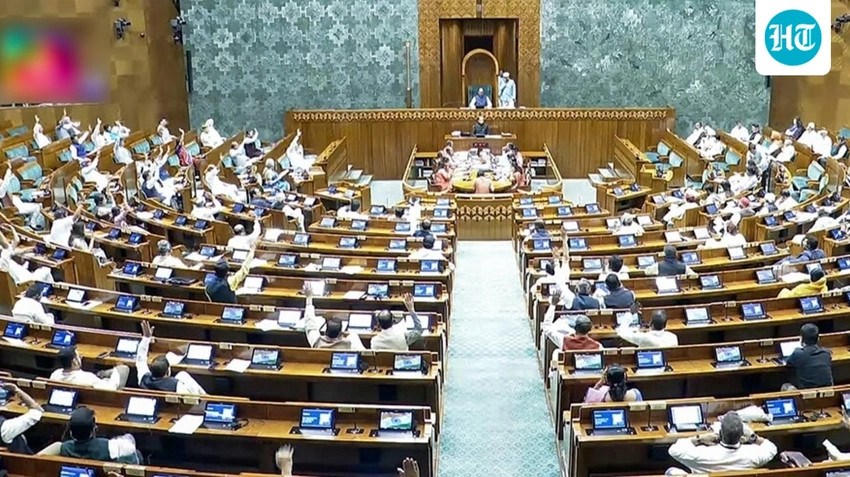
The Centre has circulated drafts of a Constitution (131st) Amendment Bill and a Delimitation Bill, saying they are aimed at expediting the implementation of a 33% reservation for women in the Lok Sabha and state legislatures. The government argues that the changes would reflect population shifts more fairly as Parliament reconvenes for the Budget Session on 16 April 2026.
Key among the proposals is redefining how population is calculated for seat allocation, using the 2011 census as the basis and potentially triggering inter-state redistribution of seats. This would affect which states gain or lose seats, with observers noting that Hindi heartland states could gain while southern states might see their shares shrink as the map is redrawn.
To implement women’s reservation by 2029, the draft bills also propose increasing the total Lok Sabha seats to up to 850. The reserved seats would be allotted by rotation to different constituencies within a state or union territory, a mechanism that would enable the shift without fixing a permanent set of reserved constituencies.
The two bills are to be circulated among Lok Sabha members as part of the government’s push to accelerate constitutional changes, with delimitation likely to follow once population-based assessments are complete. If enacted, the reforms could redraw India’s political map ahead of upcoming polls, sparking broad debate on representation, governance, and the timeline for implementing major constitutional changes.
