World Cup Magic: How Global Events Are Reigniting Beloved Music Anthems

World Cup Magic: How Global Events Are Reigniting Beloved Music Anthems
The FIFA World Cup isn't just about sports; it's a powerful engine for music nostalgia. Discover how iconic tracks like Oasis's "Wonderwall" are finding new life and new fans thanks to global events.
Global Stages, Timeless Tunes: The Nostalgia Phenomenon
We all know the power of a great song, but have you ever noticed how major global events amplify that power, breathing new life into old favorites? It’s more than just a passing trend; it’s a fascinating interplay between shared cultural moments and our collective musical memory.
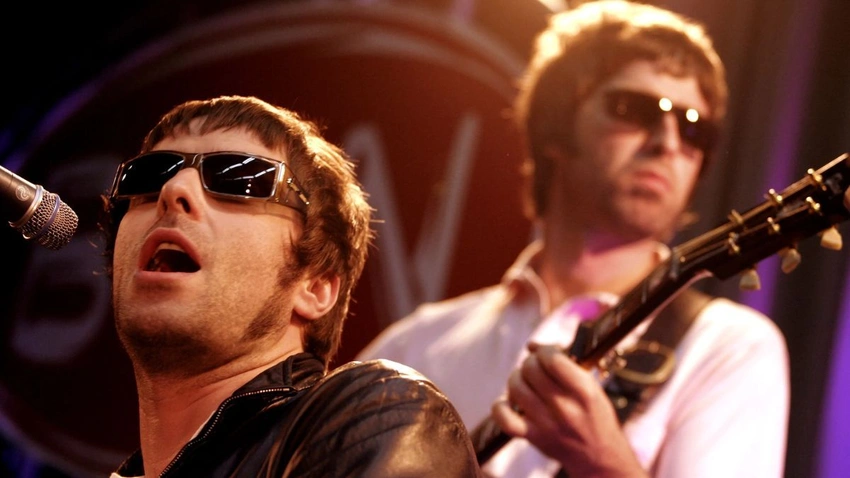
Take, for instance, the recent FIFA World Cup. While the world watched incredible athletic feats, an unexpected star emerged: Oasis's iconic anthem, “Wonderwall.” Nearly three decades after its original release, this Britpop classic stormed back onto the Billboard Hot 100 at No. 27. Why? Because England fans, in their jubilant celebrations, embraced it as an unofficial anthem.
Thousands of voices, inside stadiums and spilling onto the streets, belted out the track, players even joining in after victories.
The “Wonderwall” Effect: A Case Study in Resurgence
It was a genuine resurgence. The widespread singalongs quickly became viral sensations online, introducing the 1995 classic to an entirely new generation of listeners while giving longtime fans a perfect excuse to revisit one of Oasis's most beloved songs.
And the numbers don't lie: the renewed enthusiasm translated into a massive spike in listening.
During the latest tracking week, “Wonderwall” racked up 8.7 million US streams, a staggering 73% increase from the week prior. Radio audience climbed by 41%, and digital downloads more than doubled. This incredible surge sent the song back onto the Hot 100 for the first time since completing its original 20-week run all the way back in 1996.
What's even more fascinating is how the band itself is reacting. Noel Gallagher, one half of the iconic Oasis duo, welcomed this latest renaissance.
He perfectly articulated the sentiment, stating, “'Wonderwall' belongs to the people,” and described the singalongs as “a magical moment between the people and the players.” This isn't just about the song; it's about a shared experience, a connection forged through music during a high-stakes, globally televised event.
Beyond the Game: What This Means for Music
The “Wonderwall” story is a prime example of how global phenomena like the World Cup act as incredible catalysts for music nostalgia. They are massive cultural platforms that bring people together, transcending borders and generations.
When a song becomes intertwined with such a powerful shared experience, it gains a new layer of meaning and relevance.
This phenomenon isn't limited to Britpop anthems, of course. Think about the closing ceremonies of the Olympics, the anthems that define major political movements, or even popular memes tied to specific tracks. When an event captures the world's attention, the music associated with it - whether consciously chosen or organically adopted - gets a second, or even a third, lease on life.
It reminds us that good music truly is timeless, just waiting for the right moment, and the right global stage, to captivate hearts all over again. It's a testament to the enduring power of music to connect us, celebrate with us, and, yes, bring us together in glorious, stadium-filling singalongs.
This year has been exceptional for Oasis, with a long-awaited reunion, induction into the Rock & Roll Hall of Fame, and an upcoming documentary “Don’t Look Back in Anger.” The World Cup’s embrace of “Wonderwall” simply adds another incredible chapter to their legendary story, proving that some songs are truly forever.
