US Slams ICC with Sanctions: A "Flagrant Attack" on Global Justice?

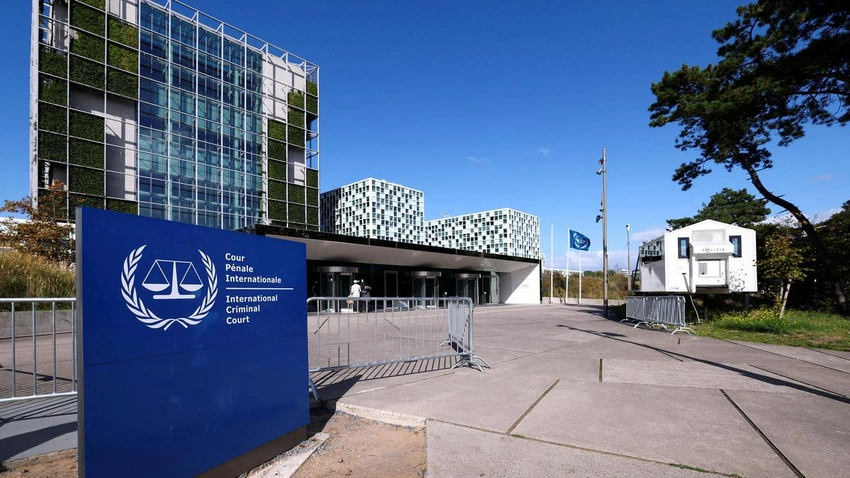
US Slams ICC with Sanctions: A "Flagrant Attack" on Global Justice?
The International Criminal Court condemns new US sanctions on its president and senior prosecutor as a "flagrant attack" on its independence. Discover why the global tribunal is fighting back and what this means for inte
The International Criminal Court (ICC) has strongly condemned the latest wave of U.S. sanctions targeting its senior officials, including President Tomoko Akane and senior trial lawyer Abdoulaye Seye. The global tribunal has labeled these actions a "flagrant attack" on its independence, vowing to persist in its mission to deliver justice for atrocities worldwide. The U.S.
State Department's recent announcement means that any assets held by Akane, a Japanese national, and Seye, from Senegal, within U.S. jurisdictions or connected to the U.S. financial system, will be frozen. The Trump administration has now imposed sanctions on nine of the ICC's eighteen judges, both of its deputy prosecutors, its former chief prosecutor, and another member of the prosecution office staff.
At the heart of the dispute, the United States accuses the ICC of exceeding its authority by initiating investigations and seeking to prosecute high-ranking military and political figures from countries, such as Israel and the United States, that are not signatories to the court's founding Rome Statute. In response, the ICC emphasized that when
judicial actors are threatened for applying the law, it is the international legal order itself that is placed at risk.
The court reiterated its commitment to "continue to fully discharge its mandate with independence and impartiality." Secretary of State Marco Rubio has been a vocal critic of the ICC, branding it a "corrupt and fatally politicized supranational court that has maliciously abused its authority and exceeded its mandate." Weeks prior to these latest sanctions, Rubio announced a "sweeping campaign to dismantle the threat posed by the International Criminal Court to U.S. sovereignty." His strategy involves pressuring the court's 125 member states to withdraw, sanctioning organizations that cooperate with the court, and implementing travel bans for its staff.
The diplomatic fallout is already visible, with Venezuela and Chad recently announcing their intentions to withdraw, bringing the total number of countries planning to leave the court in the past year to five.
The process for a country's withdrawal typically takes one year.
This ongoing confrontation raises significant questions about the future of international justice and the role of global institutions in upholding human rights.
