Fashion's Sticky Threads: When 'Inspired' Becomes 'Appropriated'

Fashion's Sticky Threads: When 'Inspired' Becomes 'Appropriated'
Ralph Lauren's Zardozi-inspired designs are sparking a big debate. When does cultural inspiration cross the line into appropriation, especially without proper credit? Let's talk fashion ethics.
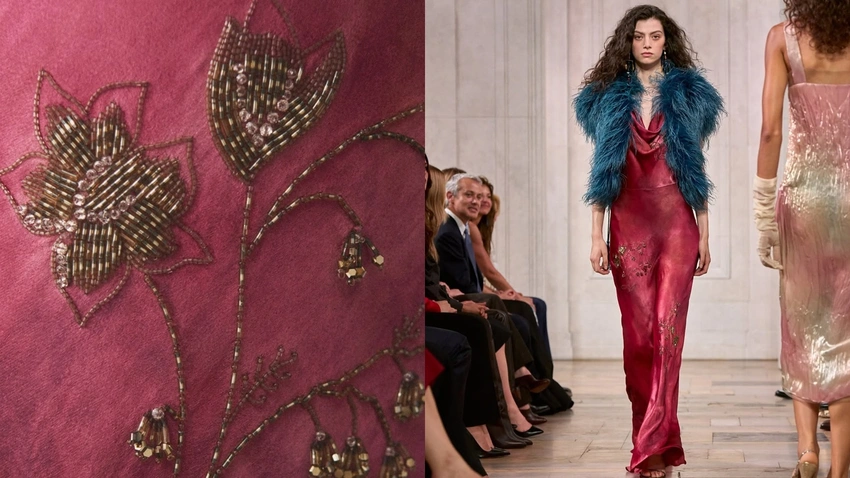
The latest stir in the fashion world has Ralph Lauren’s Spring-Summer 2027 Ready-to-Wear collection under the microscope again. This time, it's a shimmering silk-viscose evening gown featuring what the brand labels “hand-applied embellishments.” But to many, these aren't just generic embellishments—they are clearly echoing the intricate patterns of Indian Zardozi embroidery.
Let's be real. When a design element is so recognisably tied to a specific cultural heritage, simply calling it “hand-applied embellishments” feels like a significant oversight, if not an outright sidestep. This isn't the first time the brand has faced critique for borrowing from South Asian aesthetics without explicit attribution, from Bandhani skirts to jhumkas.
What's in a Stitch?
Zardozi is far from a mere decorative flourish. As Yash Sahu, Academic Lead & Design Faculty at IMS Design and Innovation Academy, Noida, points out, its visual construction aligns closely with the vocabulary of Indian Zardozi. We're talking metallic surfaces, raised embellishments, and ornamental treatments deeply rooted in centuries of Indian tradition.
It's a craft steeped in history, tied to royal and courtly textiles, involving labor-intensive work with metallic threads, often gold and silver, sequins, beads, and wires. And while other techniques like Aari, which uses a hooked needle for a chain-stitch, might be involved, the core visual language is unmistakable.
The Systemic Silence
This isn't about whether a global brand can draw inspiration from rich cultural traditions. The real controversy, as Sahu eloquently frames it, lies in the global fashion system's tendency to celebrate the finished aesthetic while making the craft's origin invisible. It begs the question:
If a designer uses a recognisable Indian embroidery tradition, why shouldn't the craft be named, and is its history not important enough to be given credit?
Indian embroidery isn't some newly discovered trend. It has flourished for generations within established artisan communities and regional craft practices. When a brand benefits from the visual richness of these traditions, simply rebranding them as generic “embellishments” feels like a disservice to the artisans and the heritage behind them.
Beyond Just 'Inspiration'
There's a clear distinction between drawing inspiration and acknowledging its source.
When the inspiration is so specific and historically significant, omitting credit moves the conversation from appreciation to appropriation. It's about cultural ownership and the ethical responsibility brands hold.
In a world where consumers increasingly value authenticity and transparency, understanding and respecting the origins of design isn't just good ethics, it's becoming a business imperative. It's time for fashion to do more than just borrow; it's time to honor where these incredible visual languages truly come from.
