Is Your Shower Water Killing Your Garden? (How to Safely Use Greywater)

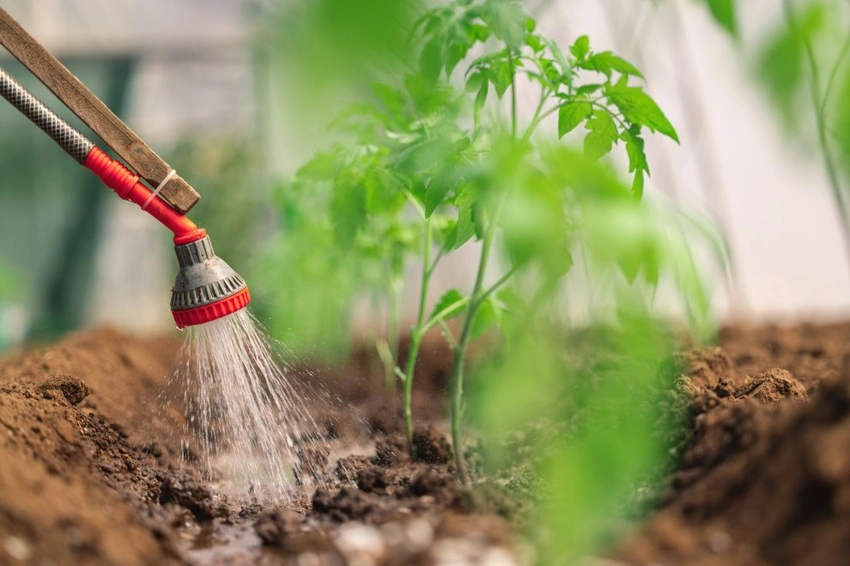
Is Your Shower Water Killing Your Garden? (How to Safely Use Greywater)
Global water scarcity is a growing concern, impacting our gardens and our wallets. But what if a significant portion of the water we use daily could be repurposed, transforming waste into a valuable resource? It can. We’
Global water scarcity is a growing concern, impacting our gardens and our wallets. But what if a significant portion of the water we use daily could be repurposed, transforming waste into a valuable resource? It can.
We're talking about greywater - the gently used wastewater from your showers, baths, and laundry rinse cycles. Far from being 'dirty,' this water holds immense potential to nourish your garden and reduce your environmental footprint.
The Greywater Basics: What’s Safe?
Not all household wastewater is created equal for your plants. The safest and most beneficial greywater comes from sources that have minimal contaminants. Think of it as a spectrum:
- High-Quality Greywater: Water from showers, bathtubs, and bathroom sinks (unless you’re using harsh cleansers). The rinse cycle from your washing machine also falls into this category.
- Lower-Quality Greywater: Water from kitchen sinks or dishwashers should generally be avoided due to grease, food particles, and strong detergents that can harm soil and plants.
- Blackwater: Water from toilets is strictly ‘blackwater’ and must never be used for irrigation due to harmful pathogens.
The key is to ensure your greywater is free from substances that could poison your soil or plants. This means being mindful of the products you use in your bathroom and laundry.
 Which Chemicals to Dodge (and Why)
The health of your soil and plants hinges on avoiding certain chemicals. Some ingredients common in household products can be toxic over time:
- Boron (Borax): Even in small amounts, boron is highly toxic to plants. Check laundry detergents and some soaps carefully.
- Chlorine Bleach: Damages beneficial soil microbes and plant roots. Avoid using greywater from loads washed with bleach.
- Harsh Synthetic Detergents: Many conventional detergents contain high levels of sodium, phosphates, and synthetic fragrances/dyes that can build up in the soil, affecting its structure and preventing water penetration.
- Salt-based Water Softeners: The salts used in these systems can accumulate in the soil, causing salinity issues that dehydrate plants and hinder nutrient uptake.
- Products with 'Whiteners' or 'Brighteners': These often contain chemicals harmful to plants.
The Solution? Opt for 'plant-friendly' or 'greywater-safe' biodegradable soaps, shampoos, and detergents. Look for products that are low in sodium, phosphorus, and boron.
Natural, Castile-based soaps are often excellent choices.
“Imagine a garden thriving not despite water scarcity, but because of your mindful choices.”
Greening Your Garden: Which Plants Thrive on Greywater?
While greywater is a fantastic resource, not all plants react to it equally. Here’s a general guide:
- Ornamental Plants and Trees: Most non-edible plants, shrubs, and established trees tolerate greywater very well. They’re less sensitive to slight variations in water quality.
- Fruit Trees: Many fruit trees (e.g., citrus, avocado, stone fruits) can thrive on greywater, especially if the water quality is high and applied around the drip line, not directly to the trunk.
- Root Crops & Leafy Greens (Use Caution): Vegetables that are eaten raw or where the edible part is directly in contact with the soil (like carrots, lettuce, spinach) are generally not recommended for direct greywater irrigation due to potential pathogen concerns, even with the cleanest greywater. If you choose to use it, ensure very high-quality greywater and apply it below the soil surface, not on the leaves or edible parts.
- Plants with High Water Needs: Greywater is particularly valuable for plants that require frequent watering, such as thirsty ornamentals or established landscaping.
Always apply greywater directly to the soil, ideally through subsurface irrigation or by hand, avoiding contact with edible plant parts or foliage. This minimizes health risks and reduces evaporation.
 Simple Steps to Start Your Greywater Journey
- Switch Products: Begin by transitioning to greywater-safe household products. This is the easiest first step.
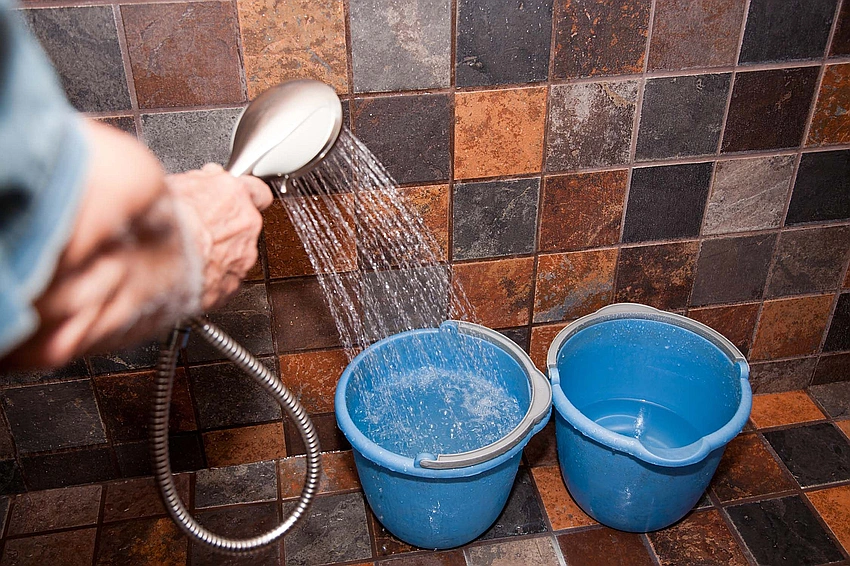
- Collect Simply: For a basic setup, place a bucket in your shower to catch water while it heats up, or during your shower. This ‘catch-and-carry’ method is effective and requires no plumbing.
- Direct Diversion (More Advanced): Consider a simple 'laundry to landscape' system, which diverts washing machine rinse water directly to your garden beds. Consult local regulations, as these systems may require permits.
- Observe Your Plants: Start slowly. Apply greywater to a few non-edible plants and observe their reaction. Healthy plants will show no signs of stress; yellowing leaves or stunted growth could indicate an issue.
- Rotate Water Sources: Don’t rely solely on greywater. Alternate with fresh water to periodically flush any potential salt or chemical buildup from the soil.
By making conscious choices about the products you use and how you manage your household water, you can transform your shower into a powerful tool for sustainable gardening, cultivating not just plants, but a more resilient and eco-friendly lifestyle.

Login to comment.
No thots yet. Be the first to share your thoughts!