UN warns of imminent financial collapse without urgent dues action

UN warns of imminent financial collapse without urgent dues action
UN chief warns cash could run dry by July as unpaid dues, led by the U.S., threaten operations and global programs.
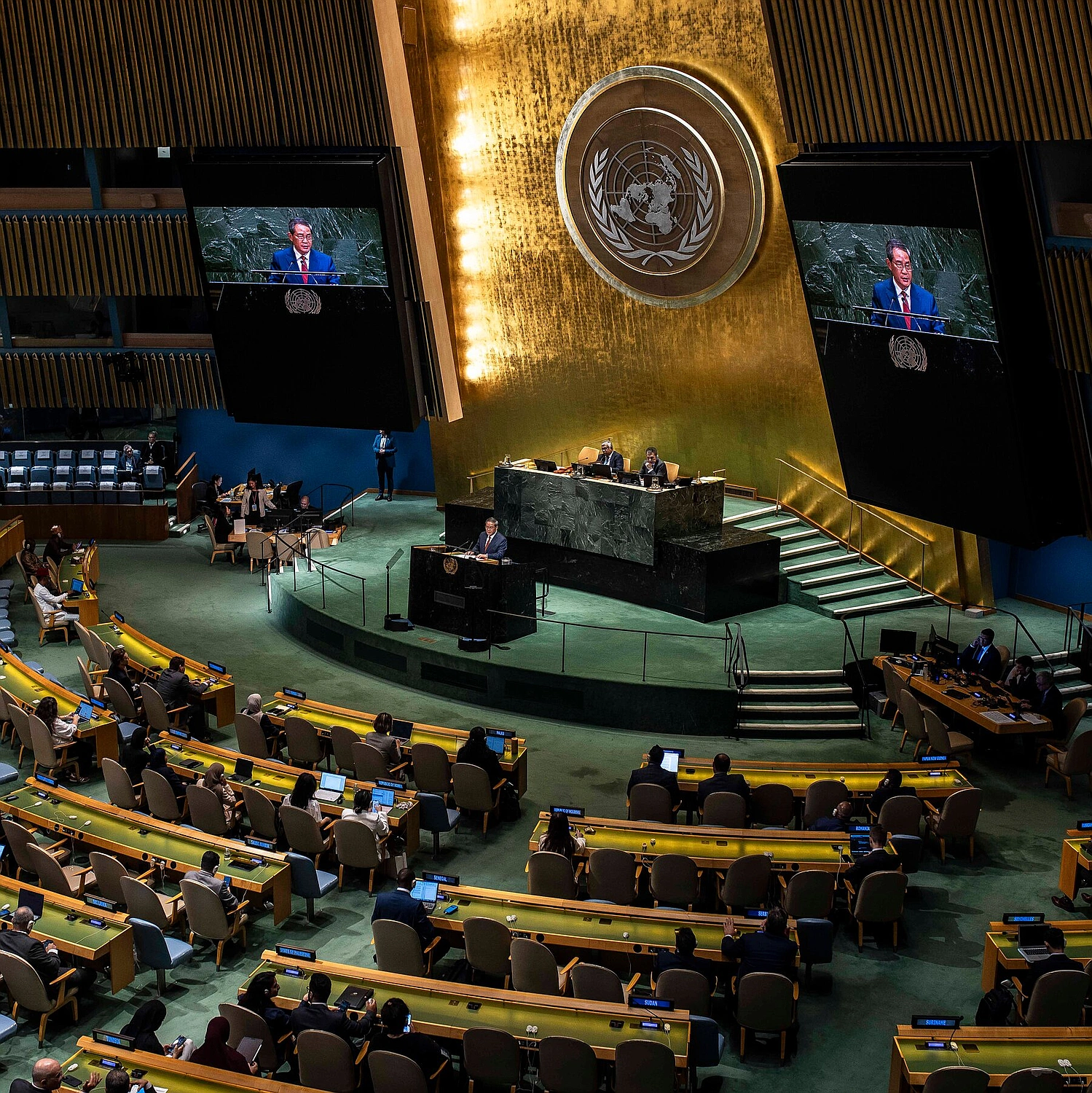
The United Nations chief warns of an imminent financial collapse unless all member states pay their dues on time or the rules governing its finances are fundamentally overhauled. Cash for the regular operating budget could run out by July, potentially forcing disruptions to essential programs and services around the world.
The United States currently owes $2.196 billion to the UN's regular budget, plus $767 million for this year. It also owes $1.8 billion for the UN's peacekeeping operations. Venezuela follows with $38 million in arrears and has already lost its right to vote in the General Assembly for being two years in arrears. The organization ended 2025 with a record $1.568 billion in outstanding dues, and its liquidity reserves are nearly exhausted, a situation described by a UN official who spoke on condition of anonymity.
In a letter to all member states, Secretary-General Antonio Guterres urged that either every member country fulfills its obligations in full and on time, or the international community must overhaul the UN’s financial rules to prevent a collapse of funding. The message appears aimed at the United States, historically the largest donor, which has not paid its mandatory dues in recent times. The urgency is underscored by the possibility that operations could be scaled back or paused if funds run out, affecting both regular programs and peacekeeping missions.
Officials emphasize that the UN depends on timely, predictable funding to sustain its work—from humanitarian aid coordination to global health and climate initiatives. The United States’ role as a principal donor complicates the financial picture, but the organization stresses that every member state bears responsibility for keeping the UN financially viable. The situation also adds pressure on international partners to reexamine how dues are assessed and collected, ensuring the institution can fulfill its mandate regardless of political shifts abroad.
This development spotlights a broader challenge in global governance: how to maintain a functioning international system when core financing hinges on a handful of large contributors. As the world faces persistent crises, the UN’s ability to act could hinge on whether member states adopt reforms and honor payments in a timely fashion.
