Pakistan hosts US-Iran talks as Washington pushes for a new ceasefire

Pakistan hosts US-Iran talks as Washington pushes for a new ceasefire
Diplomatic efforts intensify as Iran meets Pakistan and US envoys press for renewed talks, amid security tightenings and regional tensions.
In a bid to restart diplomacy, an Iranian delegation led by Foreign Minister Abbas Araghchi arrived in Pakistan late Friday night to hold bilateral consultations on the U.S.-Iran ceasefire and broader regional developments. The talks are a key piece of a long-running diplomatic puzzle, aiming to test whether Washington and Tehran can rekindle negotiations that have stalled for months.
On the American side, the White House confirmed that President Donald Trump is sending his envoys Steve Witkoff and Jared Kushner to Pakistan on Saturday to continue discussions with Tehran. The move signals Washington's willingness to keep the dialogue alive and to explore any opening that could lead to a ceasefire in the region.
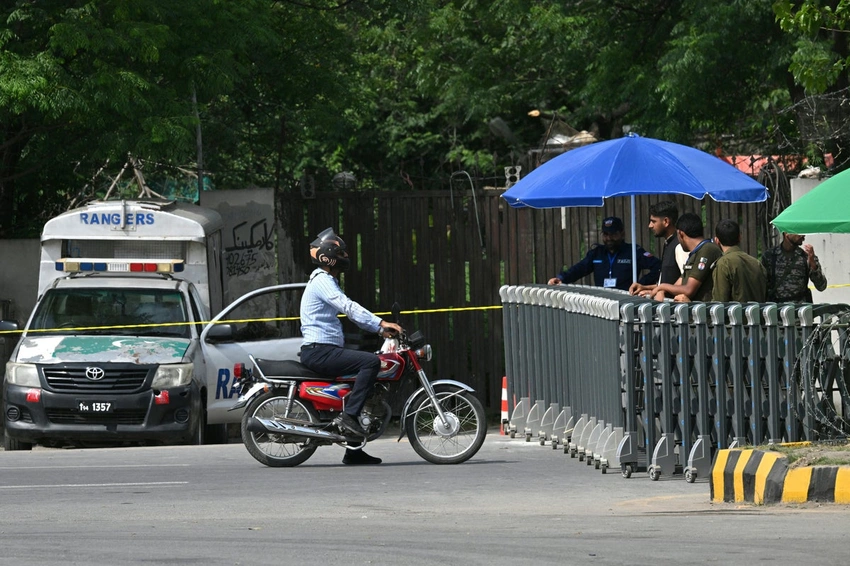
Security around the talks has grown tighter in Islamabad, with the capital described as a fortress as authorities prepare for possible developments and media scrutiny. No date has been set for a second round of discussions, leaving residents and analysts alike watching closely for signs of momentum.
Meanwhile, a debate is unfolding in Tehran over the Pakistan talks. An Iranian MP has called the discussions a strategic mistake and suggested that engaging on Iran's nuclear ambitions at the table could undermine Tehran's negotiating position. Reports quote Tehran's position as rejecting a U.S. demand for a two-decade suspension of enriched uranium activities.
Pakistan has long framed its diplomacy as a bridge between Iran and the United States and says it will press ahead with efforts to bring the two capitals together for talks, including discussions about a ceasefire in conflicts involving the U.S. and its allies in the region.
