Why Over-Cleansing Makes Your Skin Produce More Oil: The Rebound Acne Cycle Explained

Why Over-Cleansing Makes Your Skin Produce More Oil: The Rebound Acne Cycle Explained

In the pursuit of clear skin, many people unknowingly fall into a cycle that worsens their acne instead of improving it. One of the most overlooked causes of persistent breakouts is over-cleansing. While it may seem logical to wash your face more often to remove oil and impurities, this habit can disrupt your skin’s natural balance and trigger what experts call the rebound acne cycle. Choosing the right salicylic acid cleanser for oily skin 🔗 is not just about removing oil. It is about preserving your skin’s equilibrium while preventing the chain reaction that leads to excess sebum production.
This blog explores the science behind over-cleansing, how it impacts your skin barrier, and why pairing the right cleanser with a well-matched moisturizer is essential for long-term acne control.
Understanding the Rebound Acne Cycle
Your skin naturally produces oil to protect itself and maintain hydration. When you cleanse too frequently or use harsh products, you strip away this protective layer. In response, your skin tries to compensate by producing even more oil.
This creates a cycle:
• Excess cleansing removes natural oils
• Skin becomes dry and vulnerable
• Oil glands overcompensate
• Pores become clogged
• Breakouts increase
Instead of solving the problem, over-cleansing amplifies it.
Why Cleansing Alone Cannot Control Acne
Cleansing is an important step in any skincare routine, but it is only one part of a much larger system. Relying solely on cleansers to manage acne often leads to imbalance.
A good cleanser should:
• Remove dirt and excess oil without stripping
• Maintain the skin’s natural pH
• Support the skin barrier rather than weaken it
When these conditions are not met, the skin becomes more prone to irritation and breakouts.
The Hidden Damage of Stripping Your Skin Barrier
Your skin barrier acts as a shield that protects against environmental stressors and prevents moisture loss. Over-cleansing weakens this barrier, making your skin more sensitive and reactive.
Signs of a compromised barrier include:
• Tightness after washing
• Increased sensitivity
• Redness or irritation
• More frequent breakouts
When the barrier is damaged, even effective acne treatments can become irritating, making it harder for your skin to recover.
What Science Says About Oil Production and Cleansing
Research supports the connection between skin barrier disruption and increased oil production. According to a study published by the National Institutes of Health, damage to the skin barrier can lead to increased sebum secretion as the skin attempts to restore balance.
This explains why aggressive cleansing routines often backfire. Instead of reducing oil, they trigger the skin to produce more.
The Role of Moisturizing in Oil Control
One of the biggest misconceptions in acne care is that oily skin does not need a moisturizer. In reality, skipping hydration can worsen oiliness.
A well-formulated Moisturizer for oily acne prone skin helps:
• Restore hydration without clogging pores
• Balance oil production
• Strengthen the skin barrier
• Reduce irritation from acne treatments
When your skin is properly hydrated, it does not feel the need to overproduce oil, breaking the rebound cycle.
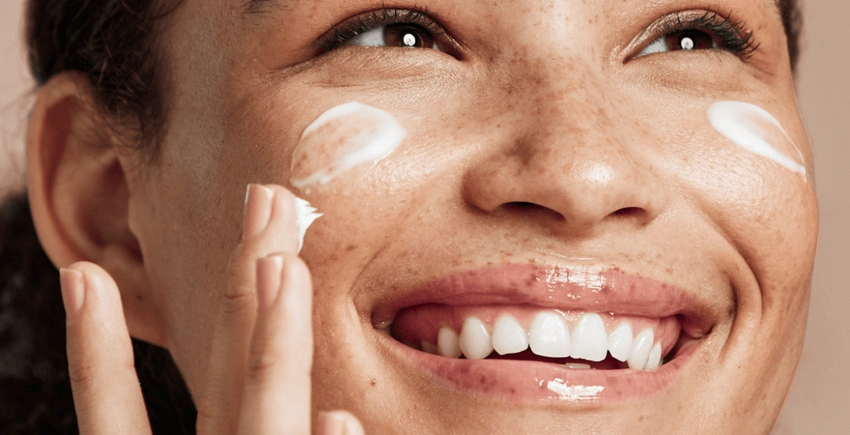
Balancing Cleansing and Hydration
The key to effective acne care is balance. Cleansing and moisturizing should work together rather than against each other.
A balanced routine includes:
• Cleansing twice a day with a gentle formula
• Avoiding harsh scrubs or over-exfoliation
• Applying moisturizer immediately after cleansing
• Using targeted treatments as needed
This approach ensures that your skin remains clean without being stripped of essential moisture.
Why Gentle Cleansing Is More Effective Long-Term
Gentle cleansing may not provide the instant “squeaky clean” feeling that harsh products do, but it delivers better results over time. By preserving the skin barrier, it allows your skin to function normally and respond better to treatments.
Consistency with a mild cleanser helps maintain a stable environment where acne is less likely to thrive.
Common Mistakes That Trigger Rebound Acne
Many people unknowingly contribute to the rebound cycle through everyday habits:
• Washing the face more than twice a day
• Using hot water for cleansing
• Skipping moisturizer
• Layering multiple harsh treatments
Avoiding these mistakes can significantly improve your skin’s condition without adding complexity to your routine.
Building a Routine That Works With Your Skin
Creating an effective skincare routine does not require a large number of products. It requires understanding how each step affects your skin.
A simple structure includes:
Morning: Gentle cleanse, hydrate, protect
Night: Cleanse, treat, moisturize
This framework allows your skin to stay balanced while addressing acne concerns effectively.
Why Patience Is Essential in Acne Care
Breaking the rebound cycle takes time. Your skin needs to readjust its oil production and rebuild its barrier. This process cannot be rushed with aggressive treatments.
Consistency, patience, and the right combination of products are key to achieving long-term results.
Conclusion
Over-cleansing is one of the most common yet least recognized causes of persistent acne. By stripping your skin of its natural oils, you trigger a cycle that leads to increased oil production and more breakouts. The solution lies in balance. Using a gentle cleanser and pairing it with the right hydration helps restore your skin’s natural function and resilience. Incorporating a Moisturizer for oily acne prone skin 🔗 🔗ensures that your skin stays hydrated without clogging pores, helping regulate oil levels and reduce sensitivity. When cleansing and moisturizing work together, your skin becomes more stable, less reactive, and better equipped to remain clear over time.
Call to Action
Ready to break free from the rebound acne cycle? Discover balanced skincare solutions at World of California 🔗 and build a routine that truly supports your skin.
FAQs
1. How many times should I cleanse my face daily?
Twice a day is generally sufficient for most skin types.
2. Can over-cleansing cause acne?
Yes, it can trigger excess oil production and lead to more breakouts.
3. Do I need a moisturizer if I have oily skin?
Yes, proper hydration helps regulate oil production and supports the skin barrier.
4. What type of cleanser is best for acne-prone skin?
A gentle, non-stripping cleanser that maintains balance is ideal.
5. How long does it take to see improvement?
With consistent care, you may start noticing changes within a few weeks.
