How Laufey Revived Music's Most Commercially Overlooked Genre

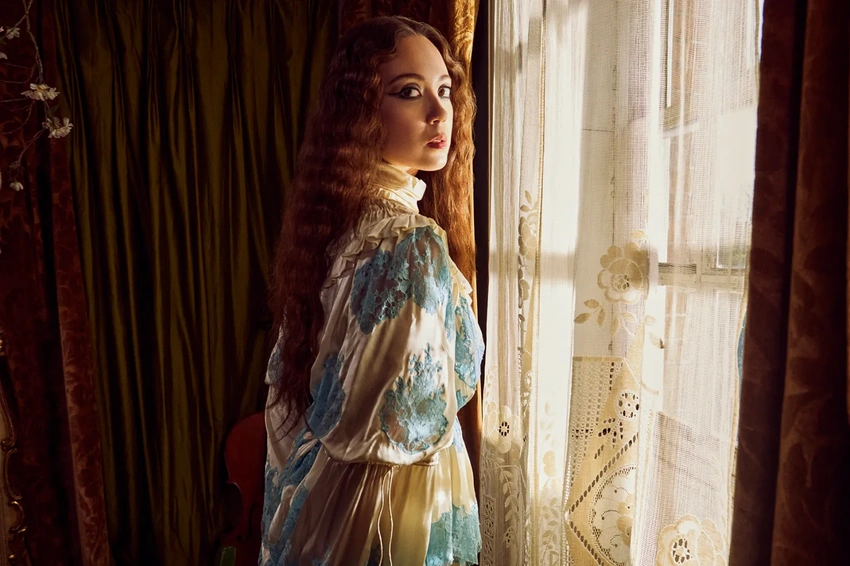
How Laufey Revived Music's Most Commercially Overlooked Genre
How Laufey Revived Music's Most Commercially Overlooked Genre
Laufey's blend of string-driven jazz and timeless songcraft is drawing millions of young listeners, proving jazz can feel intimate and modern in a streaming era. It shows jazz can thrive in streaming playlists and live s
There is something oddly rebellious about hearing a 21st century audience scream along to a brushed jazz ballad. In an era where playlists favour hyperpop, rap and dance music, Laufey has somehow convinced millions of young listeners to embrace string arrangements, jazz harmonies and the sentimental language of the Great American Songbook. It feels almost impossible until you see it happen.
For decades, jazz has existed in a peculiar cultural position. It has remained one of the most respected musical traditions in history while becoming increasingly distant from mainstream commercial success. Jazz festivals continue to thrive, conservatoires still teach its techniques and musicians revere its innovations. Yet it rarely dominates streaming charts or youth culture.
Laufey has not simply brought jazz back. She has made it emotionally accessible again.
A genre that slowly disappeared from popular life
Jazz never stopped existing. What disappeared was its place within everyday popular listening.
Throughout the twentieth century, jazz shifted from being popular entertainment to becoming a specialised art form. As rock, disco, hip hop and eventually streaming pop transformed the music industry, jazz became associated with older audiences, formal concert halls and dedicated enthusiasts rather than teenagers discovering music online.
Commercially, jazz occupies only a tiny fraction of recorded music consumption compared with dominant genres. Industry reports consistently show that pop, hip hop and rock account for the overwhelming majority of streaming activity, leaving jazz as a niche category despite its enormous cultural influence.
This commercial decline also created an image problem. For many younger listeners, jazz became synonymous with complexity, technical virtuosity or even elitism rather than emotional intimacy.
That perception mattered as much as the music itself.
Laufey sells a feeling before she sells a genre
One reason Laufey's music resonates is that she rarely asks audiences to appreciate jazz because it is historically significant.
Instead, she presents familiar experiences.
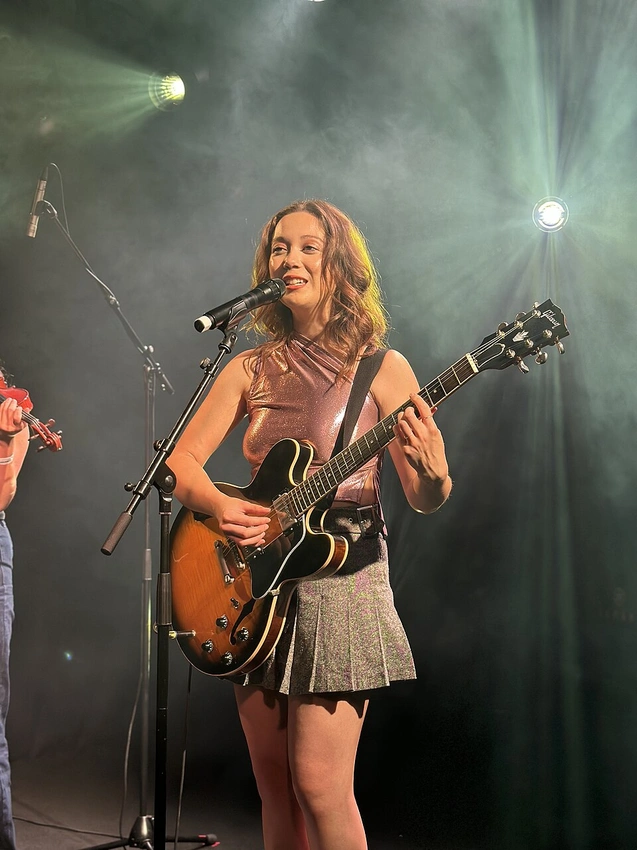
Her songs are about awkward crushes, longing, disappointment and romantic fantasy. The language is contemporary even when the musical vocabulary recalls Ella Fitzgerald or Chet Baker. Rather than treating jazz as a museum exhibit, she treats it as a living emotional language.
She has repeatedly described her work as combining old sounds with modern storytelling, acknowledging influences from jazz, classical music and contemporary songwriting. At the same time, she has also resisted being labelled simply as jazz, arguing that much of her original music belongs somewhere between traditional pop and jazz inspired songwriting.
That ambiguity may actually explain her success. Listeners are not entering through the intimidating front door marked "Jazz". They are entering through relatable stories.
TikTok became the new jazz club
Much has been written about TikTok shortening attention spans. Yet the platform also proved capable of introducing audiences to forgotten musical traditions.
Laufey's videos rarely rely on irony or shock value. Instead, they build an aesthetic world. Vintage dresses, orchestras, handwritten lyrics and old Hollywood romance become part of a coherent visual identity that feels nostalgic without becoming historical cosplay.
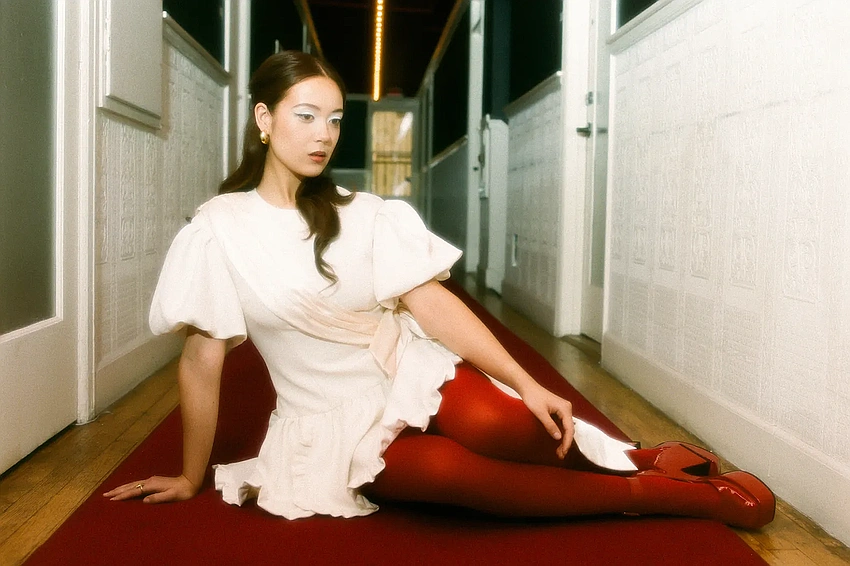
This is important because digital culture increasingly operates through atmosphere rather than genre.
Young audiences often discover music through moods instead of categories. A listener may search for "romantic", "autumn", or "studying" long before searching for "jazz". Laufey understands this instinctively. She packages jazz adjacent sounds into an emotional ecosystem that feels shareable.
Rather than competing with internet culture, she has quietly absorbed its logic.
The debate misses the point
Jazz purists have occasionally questioned whether Laufey should even be considered a jazz artist. The criticism usually centres on improvisation and the traditions that historically define jazz.
These debates are understandable, but they may overlook something more significant.
Cultural revivals rarely happen through perfect preservation.
Rock and roll transformed blues. Punk simplified rock. Hip hop sampled soul. Every popular revival reshapes the tradition it inherits.
Laufey's greatest contribution may not be expanding jazz technically. It may be reducing the psychological distance between young listeners and a century of musical history.
Once someone discovers Ella Fitzgerald because they first enjoyed Laufey, the revival has already succeeded.
More than nostalgia
It would be easy to dismiss Laufey as another artist selling vintage aesthetics. That reading feels incomplete.
Her popularity reflects something broader about contemporary culture.
Streaming has created unlimited musical access, but it has also produced an exhausting pace of consumption. Against that backdrop, orchestral arrangements, slower tempos and lyrical sincerity feel surprisingly radical. They offer emotional stillness rather than constant stimulation.
Perhaps this explains why arenas now sing along to songs that would have seemed commercially impossible only a decade ago.
Laufey did not resurrect jazz by making it trendier than pop.
She reminded audiences that genres only become obsolete when people stop recognising themselves inside them.
Her music proves that even a commercially overlooked tradition can find new life if someone learns how to translate its emotional vocabulary for another generation.
#Laufey #JazzRevival #GreatAmericanSongbook #MusicLovers #CulturalMusic
