Dimbleby 'Appalled' by BBC Job Cuts: 'Very Bad Call' Says Veteran Broadcaster

Dimbleby 'Appalled' by BBC Job Cuts: 'Very Bad Call' Says Veteran Broadcaster
Veteran broadcaster David Dimbleby slams BBC's plan to cut 2,000 jobs, calling it a 'very bad call.' Discover why he's 'appalled' and the wider impact on national event coverage.
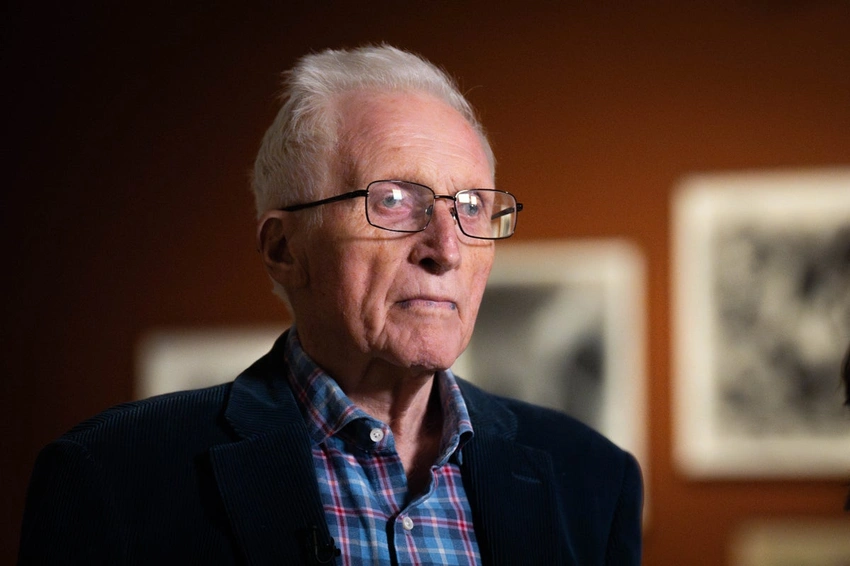
Veteran broadcaster David Dimbleby has voiced his deep concern and disappointment over the BBC's proposed job cuts, which could see up to 2,000 employees lose their positions. Speaking to Radio Times, the 87-year-old expressed he was "appalled" by the national broadcaster's decision.
The BBC aims to achieve £500 million in savings over two years, with the announced redundancies expected to be implemented over the next three years. Dimbleby sharply criticised the move, stating, "Why on earth have they done that? The best analysis of politics, both national and international… I’m appalled. Very bad, bad, bad, bad, bad call."
The news of cuts comes amidst reports of high salaries for some BBC presenters, leading to a noticeable dip in staff morale. An anonymous staff member highlighted "an obvious disconnect in the organisation" and urged senior leadership to "be more transparent and self-aware."
Dimbleby, who famously hosted "Question Time," also specifically condemned the cuts to BBC Studios Events. This team is responsible for the intricate coverage of significant national occasions like Remembrance Day and state funerals. He lamented the decision, stating, "And my God, BBC Events being closed! It takes months of connections to make friends with the people at the Palace, with Westminster Abbey, with the police, to know what’s going on with Downing Street, so that when the day comes, everybody helps you." He further added, "It’s a BBC gold standard to cover big national events. It’s at the heart of the BBC, and I cannot understand what they’re up to. But I have no power in the BBC."
In response, the BBC issued a statement explaining its position: "The BBC has to make at least £500m of savings and BBC News, like all of the BBC, needs to play its part. We have tried to mitigate the impact on audiences as much as possible."
