Jelly Roll vs. GOP: When Pop Culture Becomes Political Battleground

Jelly Roll vs. GOP: When Pop Culture Becomes Political Battleground
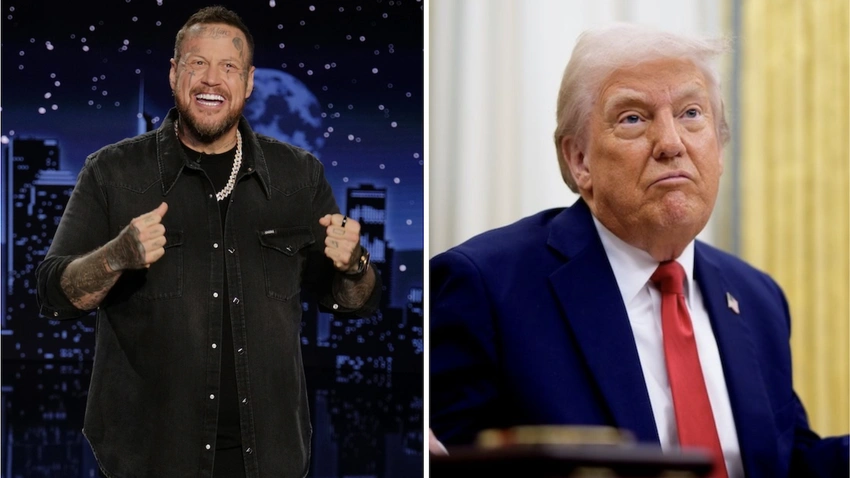
A GOP representative's outrage over Jelly Roll's joke about Trump's weight sparks a debate on political polarization, comedic freedom, and why we're so easily offended. Is this peak absurdity?
It's wild how quickly a late-night joke can spiral into a national political incident. We're talking about Jelly Roll, guest-hosting Jimmy Kimmel Live!, tossing out a quip about Donald Trump needing to shed some pounds to “see his penis again.” Harmless, right? A bit crude, maybe, but in the grand scheme of political discourse, pretty low-stakes.
The Outrage Machine Kicks In
Enter Republican congressman Jimmy Patronis. Suddenly, Florida's panhandle is “100% not welcomed” to Jelly Roll. Patronis didn't stop there, declaring, 'He's always been the token “country” star the libs in California are allowed to enjoy. (He ain't country, never was.) Take the TDS elsewhere, loser.' This isn't just a lawmaker defending a former president, it's an entire personality dissection, all because of a fat joke.
The swift, intense condemnation feels like it's pulled from a script designed to maximize clicks and outrage, not address actual policy or concerns.
Where's the Line for Comedic Freedom?
It begs the question: when did we become so sensitive?
Or rather, when did political figures decide that defending every single perceived slight against their chosen leader was a priority? Jelly Roll's comeback, 'Wouldn't it be nice to see Trump lose something besides the war, his popularity, and most of his marbles?
And just so we're clear: I believe in you, Mr. President. With a little hard work, one day your waistline will be just as thin as your skin', only fanned the flames, proving that these jabs often invite more.
This isn't about whether the joke was funny, appropriate, or even original. It's about the knee-jerk reaction from a political figure to a pop culture comment. We're witnessing an increasingly polarized landscape where every utterance, no matter how trivial, is scrutinized through a partisan lens.
It's exhausting, and frankly, detracts from real issues that demand our collective attention.
Why Are We So Easily Triggered?
This episode serves as a prime example of political polarization bleeding into every facet of our lives, even late-night comedy. The energy spent on debating whether a musician is 'country enough' or 'welcome' in a state because of a body-shaming joke feels utterly misplaced. We're losing the ability to differentiate between genuine threats or policy disagreements and comedic jabs.
The outrage cycle has become so ingrained that it seems to be an end in itself, rather than a means to highlight injustice or debate policy. Maybe we all need to take a collective breath and decide what's truly worth our collective anger and political capital.

Login to comment.
No thots yet. Be the first to share your thoughts!