Supreme Court Flags "Serious Concern" Over BCI Asset Transfers & Authority

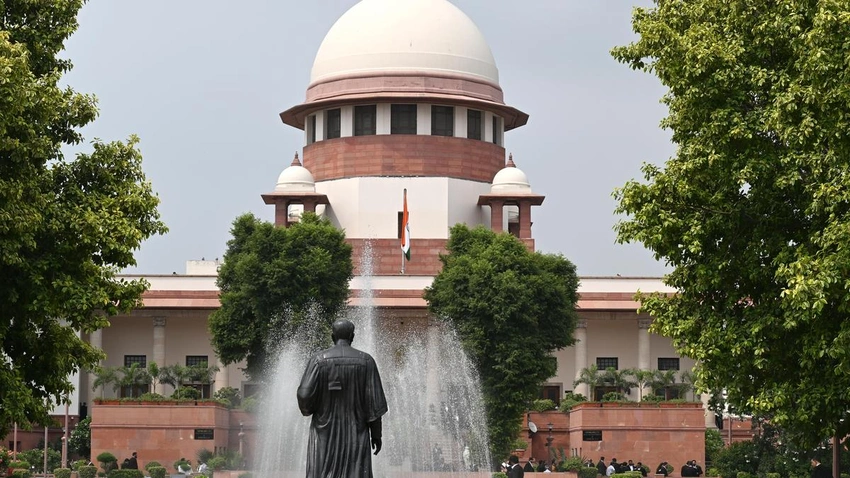
Supreme Court Flags "Serious Concern" Over BCI Asset Transfers & Authority
The Supreme Court is scrutinizing alleged transfers of Bar Council of India assets and questioning its power to regulate legal education. What does this mean for legal standards in India? #LegalNews
The Supreme Court of India has expressed significant apprehension regarding allegations concerning the transfer of assets belonging to the Bar Council of India (BCI) to a trust. This development marks a critical moment for the apex legal regulatory body, prompting closer examination of its operational integrity.
Adding to these concerns, the Supreme Court is also poised to meticulously review the BCI's fundamental authority in regulating legal education across the country. A bench overseeing the matter explicitly stated that while the BCI is empowered to establish broad guidelines, such as the duration of law courses, its mandate does not extend to dictating the intricate nuances of legal education.
This distinction is crucial and could redefine the BCI's role in shaping future legal professionals.
The allegations of asset transfer are viewed with particular gravity by the Supreme Court.
Such matters often raise questions about transparency, accountability, and the proper utilization of resources by statutory bodies. The Court's stern observation indicates that these claims are not being taken lightly and warrant a thorough investigation to ensure public trust and maintain the sanctity of legal institutions.
This dual focus by the Supreme Court, on both the BCI's financial probity and its educational regulatory scope, suggests a broader effort to ensure the council operates strictly within its statutory boundaries. The outcome of these examinations could lead to significant reforms in how the BCI manages its assets and exercises its oversight functions, particularly concerning the quality and structure of legal studies in India.
The legal community and aspiring lawyers will be watching closely as these issues unfold, potentially impacting the future landscape of legal education and practice in the nation.
