Are Luxury Brands Stealing Our Heritage? Find Out


Are Luxury Brands Stealing Our Heritage? Find Out
At Milan Fashion Week, Prada showcased sandals inspired by Kolhapuri chappals, raising questions about cultural appropriation and the value of indigenous craftsmanship. Let’s explore the impact on heritage.
The warm fragrance of leather and the meticulous braid of thread in my grandmother’s Kolhapuri chappals always made me pause and think that so much craftsmanship was woven into something that we proudly say "our indigenous creation". Yet at Milan Fashion Week this summer, that same craftsmanship was presented as contemporary luxury.
Prada presented “leather flat sandals” that were a replication of our traditional Kolhapuri chappals, priced at roughly ₹1.16lakh. It felt like my heritage was being uncredited. The sandals ignited a critical conversation about why luxury brands continue to lift Indian traditions, transform them into high-priced fashion, and erase the craftspeople who gave birth to them.
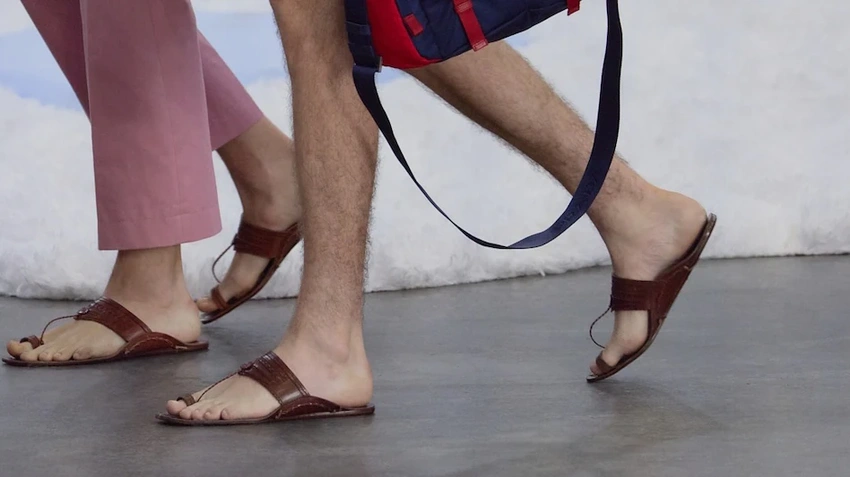
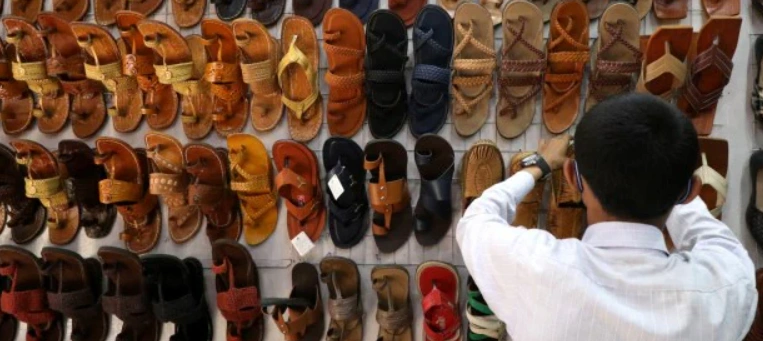
News broke in late June when Italian fashion giant Prada presented a sandal design that replicated Kolhapuri chappals. Priced at approximately ₹1.16 lakh, it has a jarring similarity to Indian footwear sold for ₹300 to 1,500. Critics wasted no time. Harsh Goenka, industrialist and chair of RPG Group, lamented:
Indian artisans lose, while global brands cash in on our culture.
Under pressure, Prada’s CSR head, Lorenzo Bertelli, sent a letter to the Maharashtra Chamber of Commerce, admitting:
The sandals were inspired by traditional Indian handcrafted footwear.
However, artisans remained skeptical. They rightly pointed out that this acknowledgment came only after widespread backlash, with no public apology, compensation, or a plan to credit Indian craft communities meaningfully.

Simultaneously, Karnataka’s Rural Development Minister Priyank Kharge took to social media to highlight that Kolhapuri chappals are crafted not just in Maharashtra but by artisans in Karnataka’s Belagavi, Dharwad, and Bagalkot, emphasizing:
The artisans from Karnataka should not be sidelined.

Artisan groups, supported by the Maharashtra Chamber, filed a PIL in the Bombay High Court, demanding a formal apology, compensation, and strengthened GI protections abroad.
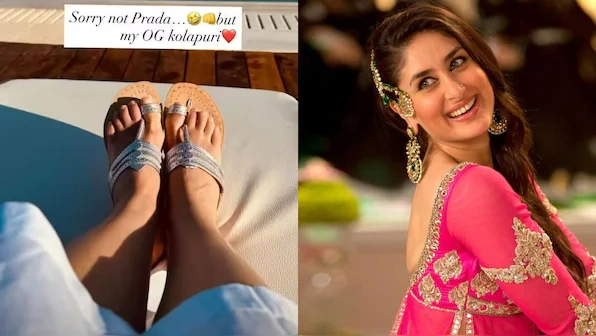
Kareena Kapoor Khan shared a photo of herself wearing authentic Kolhapuri sandals on Instagram, captioning it playfully:
Sorry, not Prada, but my original Kolhapuri.
Amid the controversy, a silver lining emerged, which is known as the “Prada effect". Local artisan brands like Shopkop, Ira Soles, and Niira reported a dramatic surge in Kolhapuri sandal sales.
But the plot deepened with Dior’s July debut of a $200,000 coat richly embroidered with mukaish (Muqayyash), which is a silver thread embroidery from Lucknow with roots in the Mughal era. Crafted by a team of 12 artisans over 34 days, it arrived without acknowledgement of its origin or creators. Critics bluntly labelled:
Another moment where luxury has a memory problem.
Together, the Prada and Dior episodes expose a systemic imbalance, and they reveal that Indian craftsmanship is harvested for luxury, but its birthplace remains uncredited and ignored.

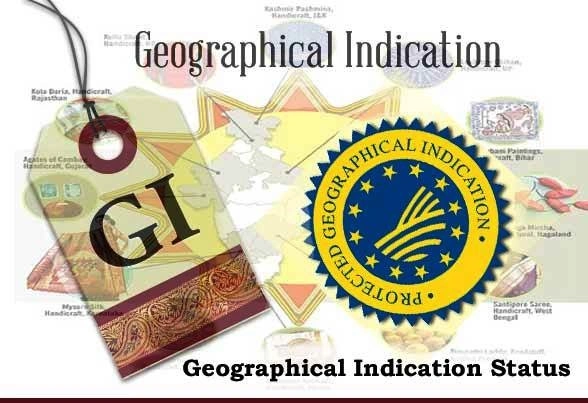
This kind of cultural copying happens because Indian Geographical Indication (GI) laws, under the 1999 Act, only protect products within India they don’t apply overseas. That means international brands can copy designs like Kolhapuri chappals or Muqayyash embroidery as long as they don’t use the protected names, avoiding any legal trouble abroad. Copyright and design laws don’t help much either, because these craft forms are traditional, community-owned, and often so old that no single person can claim ownership. Since Indian artisans don’t have legal representation in other countries, they’re left powerless when big global brands take their work without credit.
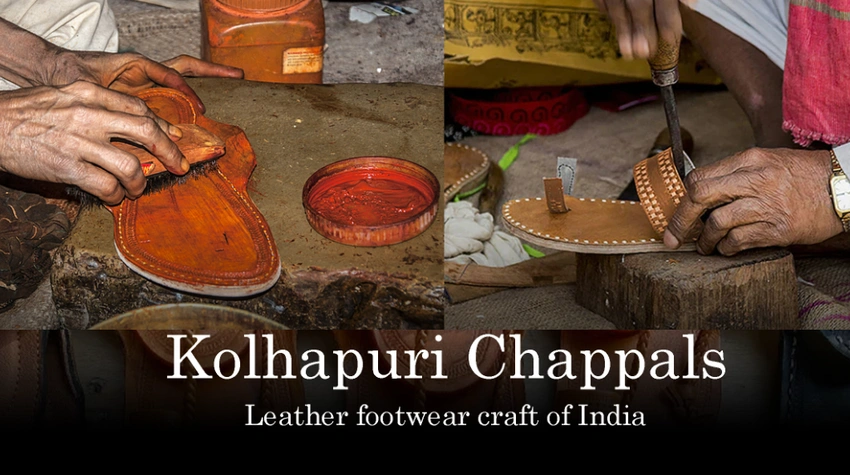
Yet beyond legality, this is a moral question. Some view global adoption as appreciation that can elevate local crafts when done with collaboration, and others see it as exploitation. They argue that unless artisans are collaborators, then luxury becomes theft.
Right now, our GI tags like those for Kolhapuri chappals or Lucknow’s Mukaish embroidery only protect products inside India. Once these traditional designs reach other countries, the protection stops, because we haven’t secured any rights overseas. As a result, foreign brands can copy the look but avoid terms like “Kolhapuri” or “Muqayyash” to sidestep infringement rules in those markets. We might try using copyright or design laws, but those usually require a single creator and a new design, which don’t apply to age-old, community-owned crafts. Since Indian artisans have no legal advisors abroad and no formal registrations outside India, they have little power to take action against global brands that copy their work.
For us in India, this moment calls for awareness about the true origin of every item we buy and who stitched it, who wove it, and whether the design was taken without credit or compensation. When we support products that openly show their heritage and benefit the actual artisans, we pressure brands to uphold fairness and cultural authenticity. Walking in my grandmother’s handcrafted Kolhapuris reminds me that they’re more than just shoes, but they are a part of our identity. The episodes involving Prada and Dior teach us that when beauty is divorced from its roots, it becomes shallow. But we can turn things around by demanding better laws, fair artisan-brand partnerships, and by choosing consciously, we can reclaim our crafts, honour their makers, and share our heritage with the world on our terms.
#CulturalAppropriation #LuxuryFashion #IndigenousDesign #MilanFashionWeek #Heritage
