Desire, Loneliness, and Body Horror: The One Wish Willow in Obsession

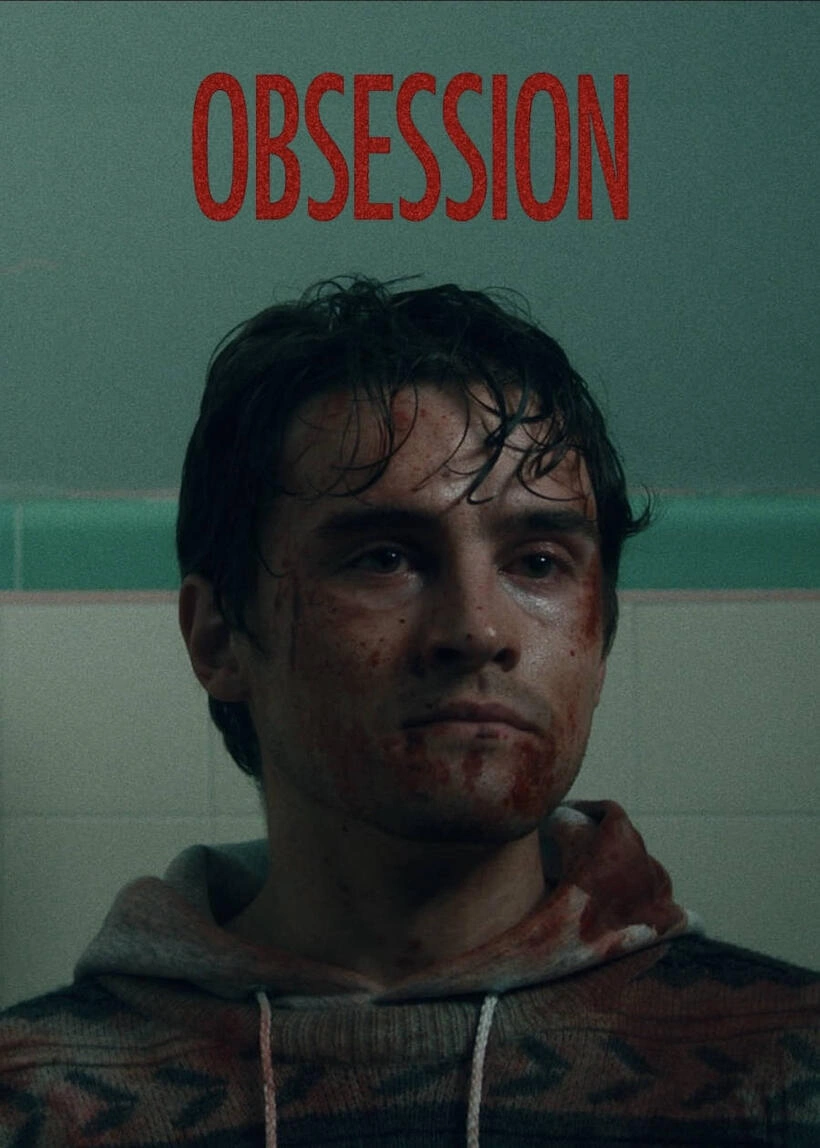
Desire, Loneliness, and Body Horror: The One Wish Willow in Obsession
Desire, Loneliness, and Body Horror: The One Wish Willow in Obsession
There is something deeply embarrassing about desire. Not love, necessarily, but the humiliating excess of wanting someone to want you back. Obsession understands this better than most contemporary horror films. What begins as a familiar story of romantic longing gradually mutates into something grotesque, anxious, and strangely sad. The film weaponises yearning itself.
Directed by Curry Barker, the film follows Bear, a socially awkward music store employee who uses a supernatural object called the “One Wish Willow” to make his childhood friend Nikki fall in love with him. Predictably, the wish goes wrong. But Obsession is not interested in the moral simplicity of “be careful what you wish for”. Instead, it examines how desire becomes monstrous when filtered through loneliness, entitlement, and fantasy.
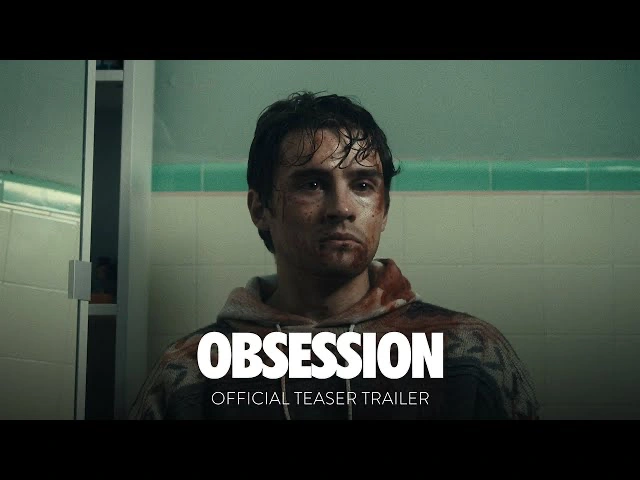 Romance as Body Horror
The most fascinating thing about Obsession is how quickly it destabilises genre. Its opening feels almost like an indie coming-of-age romance. There are awkward glances, soft lighting, conversations filled with hesitation. Then, almost imperceptibly, the atmosphere curdles. Nikki’s affection ceases to feel romantic and begins to resemble possession.
In many ways, the film belongs to a lineage of obsessive cinema that stretches from Vertigo to Fatal Attraction. Yet Barker reframes these influences for a generation raised on parasocial intimacy and algorithmic desire. Bear does not simply love Nikki. He wants confirmation, validation, permanence. He wants emotional certainty in a world where relationships are unstable and identity is increasingly performed online.
The horror emerges from that desperation.
The Monstrous Logic of Modern Intimacy
What makes Obsession linger is the way it captures contemporary anxieties around affection and reciprocity. Modern romance often operates through performance. We curate ourselves into desirability, rehearse conversations before sending them, monitor attention through notifications and read receipts. Barker transforms this emotional surveillance into literal horror.
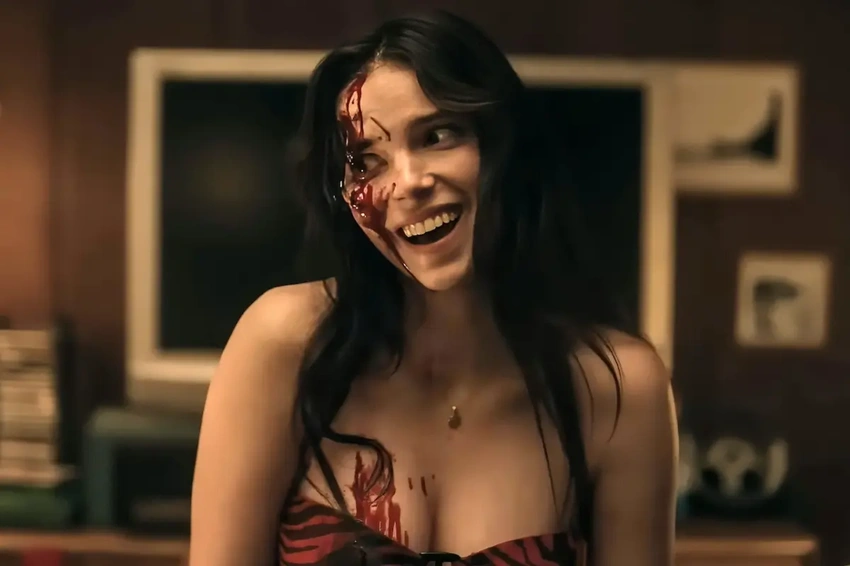 Bear is not written as a straightforward villain. That would make the film easier. Instead, he exists in the uncomfortable space between sympathy and critique. His loneliness feels genuine. So does his insecurity. But the film slowly reveals how easily vulnerability can become coercive when another person is treated as the solution to emotional emptiness.
Inde Navarrette gives the film its unnerving centre. Nikki oscillates between tenderness and terror with frightening precision. The performance avoids caricature, which makes the character’s transformation all the more disturbing. Rather than portraying obsession as explosive madness, Navarrette performs it as intimacy pushed past the point of humanity.
There is a moment midway through the film where affection itself begins to feel invasive. That is the film’s greatest achievement. It turns closeness into claustrophobia.
Horror in the Age of the Internet
Perhaps the most interesting aspect of Obsession is its emergence from internet filmmaking culture. Barker began on YouTube, creating short-form comedy and horror content before transitioning into feature filmmaking. That background is visible throughout the film’s pacing and visual language. Scenes unfold with the uneasy rhythm of viral horror clips, where tension escalates quickly but emotional discomfort lingers longer than expected.
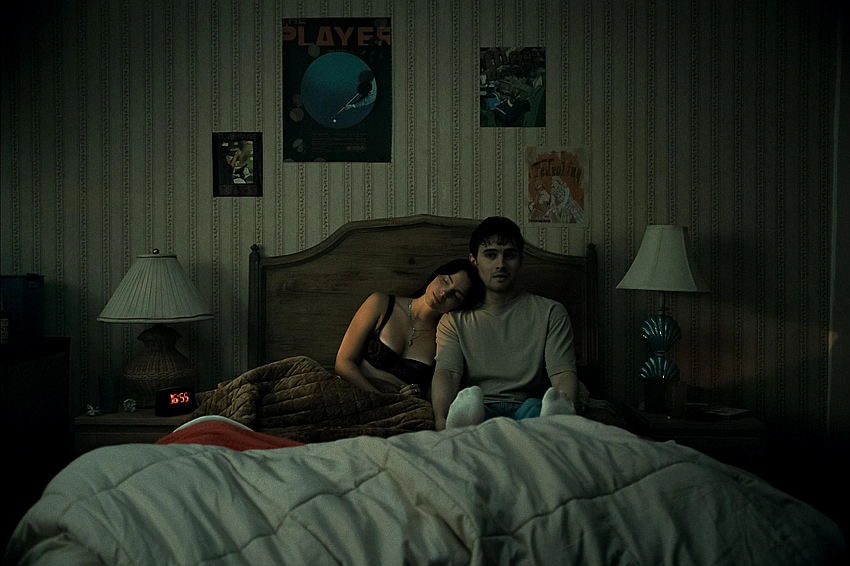 The film’s success also says something about the current state of horror cinema. Audiences increasingly gravitate towards horror that feels psychologically intimate rather than purely supernatural. The monster is rarely external anymore. It is loneliness, fixation, resentment, shame.
That may explain why the film became such a surprise commercial success despite its relatively tiny budget. Reports surrounding audience reactions only amplified its reputation online, turning the film into a cultural event almost immediately after release.
The marketing leaned heavily into viewers describing the experience as overwhelming or emotionally destabilising. Usually, this kind of campaign feels artificial. Here, it strangely fits. Obsession does not merely want to frighten viewers. It wants to implicate them.
Desire Without Resolution
Most horror films restore order by the end. Obsession refuses that comfort. Its conclusion feels unresolved in the best possible way, less interested in narrative closure than emotional residue. The film suggests that obsession cannot truly be defeated because it originates in ordinary human longing. Everyone wants to be chosen. Everyone wants to feel irreplaceable. The danger begins when desire ceases to recognise another person’s autonomy.
That is what makes the film genuinely unsettling. Not the supernatural object. Not the blood. Not even the violence.
It is the recognition that obsession often disguises itself as love long before it reveals its cruelty.
#ObsessionFilm #BodyHorror #RomanceGoneWrong #IndieHorror #MovieReview
