AI Story Wins Prize: Is Art About to Change Forever?

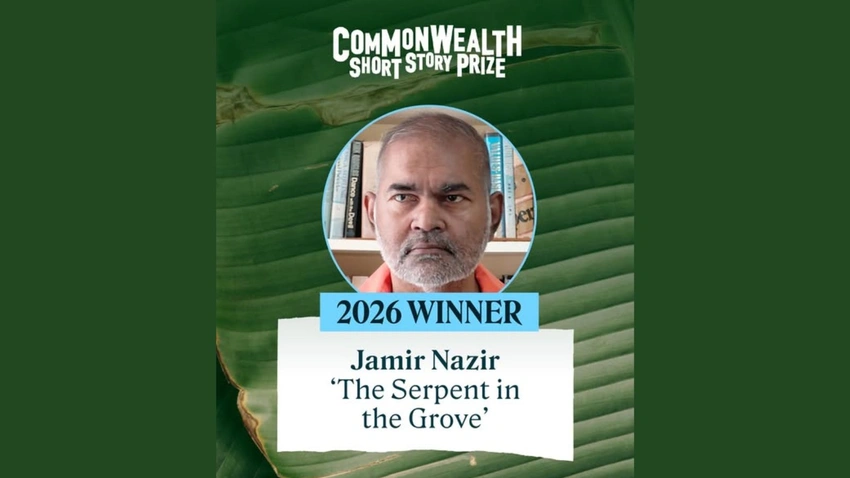
AI Story Wins Prize: Is Art About to Change Forever?
Jamir Nazir's 'The Serpent in the Grove,' an AI-suspected winner of the Commonwealth Short Story Prize, sparks debate! Is this the dawn of AI-powered literature, or a new ethical minefield? Dive into the future of storyt
Let’s talk about something big happening right now. Jamir Nazir’s story, ‘The Serpent in the Grove,’ just bagged the Commonwealth Short Story Prize, and here’s the kicker: it’s been flagged as ‘AI-suspected.’ This isn't just a win; it’s a seismic event rocking the foundations of literature and creativity. An 'AI-suspected' work winning such a prestigious award — the Commonwealth Short Story Prize, no less — forces us to confront some uncomfortable truths about where storytelling is headed.
A New Frontier, Or A Fuzzy Line?
Think about it: ‘The Serpent in the Grove’ represents a potential paradigm shift. If an AI can contribute to or even largely generate a narrative that’s compelling enough to earn top honors, what does that mean for human authorship? We’re moving into a realm where tools can assist writers in ways unimaginable just a few years ago. From generating plot ideas and character sketches to drafting entire passages, AI’s potential for speeding up and augmenting the creative process is immense. It’s like having a hyper-efficient co-writer who never sleeps, capable of processing vast amounts of data and patterns to construct narratives. This isn't just about efficiency; it's about pushing the boundaries of what's creatively possible.
The Elephant in the Room: Ethical Quandaries
But this powerful capability comes with a Pandora’s box of ethical challenges. When a story like ‘The Serpent in the Grove’ is 'AI-suspected,' questions of originality immediately surface. Who gets the credit? The human who crafted the prompt, fine-tuned the output, or the intricate algorithms that wove the words? What about the very definition of ‘art’ itself? If a machine can create, does it possess creativity? And where do intellectual property rights lie in this new collaborative ecosystem?
These aren’t just academic debates confined to ivory towers. They impact everything from the integrity of literary competitions to the nuances of copyright law. Is it truly fair for a purely human author to compete against a machine-assisted one without full transparency? What kind of disclosures should be mandatory for works where AI has played a significant generative role? Without clear guidelines, we risk devaluing human effort and muddying the waters of artistic achievement.
Navigating the Future of Narrative
The incident with Jamir Nazir’s winning story isn’t an isolated anomaly; it’s a bellwether for the broader cultural shift underway. It signals that AI isn't just coming for content creation; it’s already here, winning awards, and challenging our fundamental understanding of creativity and authorship. We, as an industry — writers, publishers, critics, and readers alike — need to navigate this new landscape carefully. We must balance the incredible potential of AI to unlock new forms of storytelling and assist creators with the imperative to uphold artistic integrity and human ingenuity. The conversations ignited by ‘The Serpent in the Grove’ are crucial for defining the guardrails and embracing the possibilities.
The future of storytelling is being written right now, perhaps by human hands, perhaps by sophisticated algorithms, or more likely, by a fascinating, complex collaboration of both. The debate is open, and its resolution will shape the literary world for decades to come.
