Scindia slams BSNL director's Prayagraj visit as absurd, shocking; show-cause issued

Scindia slams BSNL director's Prayagraj visit as absurd, shocking; show-cause issued
Union minister calls extravagant Prayagraj itinerary for BSNL director 'unacceptable', as lavish arrangements raise questions about public resources.
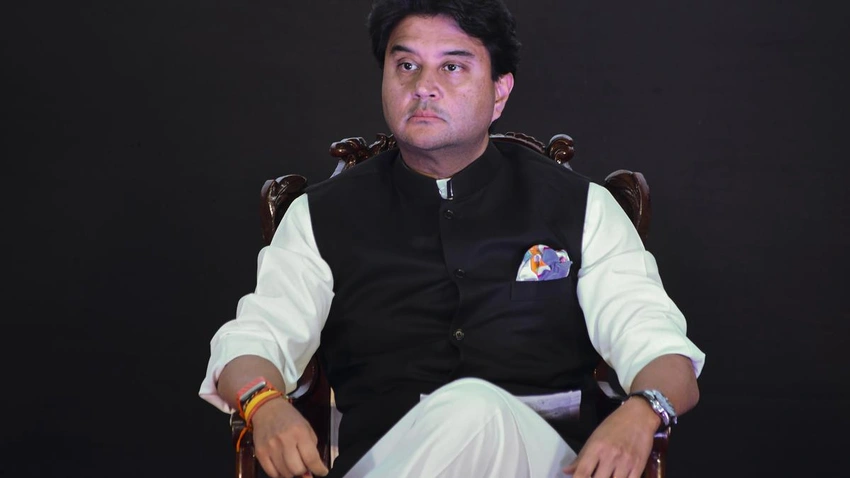
Union Communications Minister Jyotiraditya Scindia said the hospitality plans for BSNL Director Vivek Banzal’s Prayagraj visit were 'absurd and shocking,' stressing that such an arrangement flouts norms and traditions. A show-cause notice has been issued as the government seeks to understand how the elaborate plan—packed with dozens of tasks for nearly 50 officials—was approved. The controversy began after details from an internal office order surfaced online, drawing ridicule on social media and sparking demands for accountability.
The two-day itinerary was scheduled for February 25-26 and reportedly included bathing in the Sangam, a boat ride, and visits to Bade Hanuman Mandir, Akshayavat and Patalpuri temples. The order also mentioned provisioning of personal-care items and 'snan' kits, including a towel, undergarment, slippers, a comb, a mirror and an oil bottle, for attendees. With around 20 tasks assigned across roughly 50 officials, the plan triggered widespread criticism and led to the cancellation of the visit amid the backlash.
Vivek Banzal is a senior BSNL officer from the 1987 batch and holds a Bachelor of Engineering degree in Electronics. The episode has intensified scrutiny of how travel and hospitality for public servants are managed, with ministers reiterating that such extravagance will not be tolerated in the new India. The show-cause notice signals a formal inquiry into the drafting and approval of the office order and has stoked calls for stronger safeguards against the misuse of public resources.
As the dust settles, the incident has become a broader talking point about governance and accountability within public telecoms, prompting officials to stress reforms and stricter adherence to protocols to prevent similar episodes in the future.
