UK and France seal three-year plan to curb Channel crossings

UK and France seal three-year plan to curb Channel crossings
Britain and France seal a three-year pact worth about £662m to curb Channel crossings, deploying riot police, drones, helicopters and new surveillance along the coast.
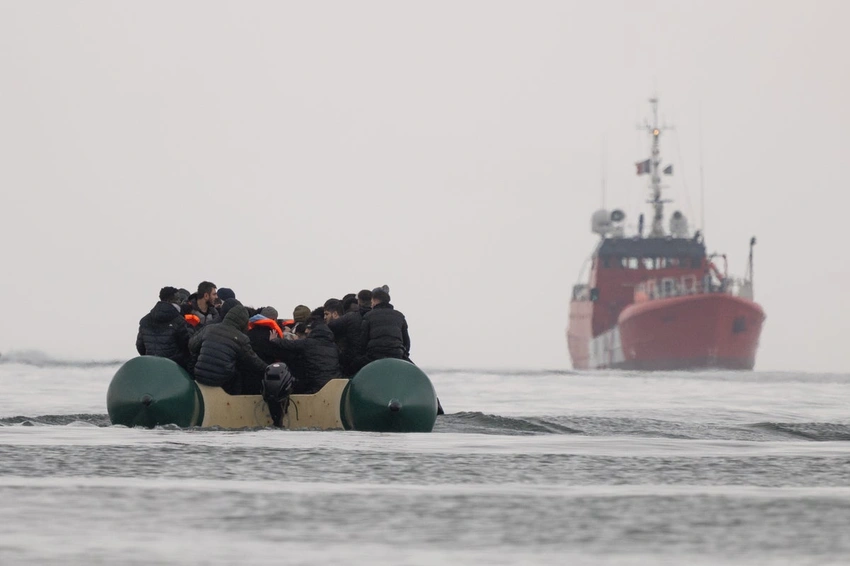
Britain and France have struck a three-year pact aimed at reducing small-boat Channel crossings, with a budget around £662 million. The agreement follows a year when 41,472 people arrived in the UK by small boat in 2025, underscoring a persistent border challenge across the Channel.
The plan includes deploying at least 50 riot-trained police officers to beaches in France to handle violence and hostile crowds, as well as equipping French authorities with drones worth millions, two new helicopters, and a new camera system designed to track smugglers and intercept migrants. This enhanced toolkit aims to deter and disrupt the operational networks that facilitate crossings.
A notable feature of the pact is funding conditionality. Ministers say roughly £100m of UK funding could be redirected or withdrawn after a year if French authorities are not stopping enough crossings, signaling a tighter accountability framework than before. Home Secretary Shabana Mahmood is expected to sign the three-year agreement with France on Thursday, highlighting a push for measurable results alongside long-term collaboration.
Supporters frame the deal as a landmark step in breaking the business model of people smugglers and protecting lives, while critics argue that large sums of money with limited conditions risk rewarding an already faltering system. Conservatives and Reform UK have questioned the arrangement, citing concerns over conditionality and the ongoing costs. Yet proponents insist the partnership pairs resources with on-the-ground enforcement to close gaps at sea and on the French coast.
In practical terms, the package reflects a broader strategy: improve intercepts at sea, bolster deterrence on beaches in France, and leverage technology to disrupt smuggling networks. The collaboration signals a significant policy shift toward a more tightly coordinated approach with Paris, aimed at delivering tangible reductions in crossings while balancing political scrutiny and humanitarian considerations.
