Fire Erupts at COP30 as China Pushes New Climate Targets

Fire Erupts at COP30 as China Pushes New Climate Targets
Fire Erupts at COP30 as China Pushes New Climate Targets
A sudden fire disrupted COP30 talks in Brazil while China unveiled bold 2035 climate goals.
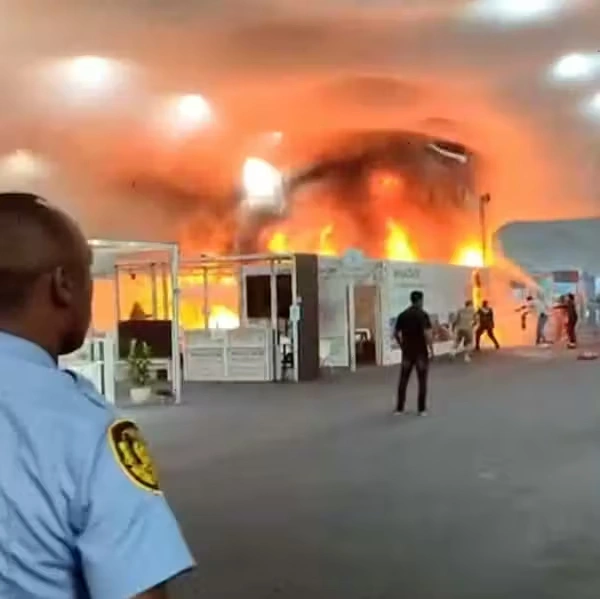
The COP30 climate summit in Belem Brazil was thrown into chaos when a fire broke out inside the Blue Zone. Delegates from more than 190 countries were forced to evacuate as smoke filled the venue. Firefighters contained the blaze within minutes but the disruption stalled critical negotiations on fossil fuel phase out and climate finance.
At least 21 people were treated for smoke inhalation. No major injuries were reported. Officials confirmed that parts of the roof and pavilions were damaged. The incident came at a tense moment as negotiators struggled to agree on measures to keep global warming below 1.5 degrees Celsius.
China seized the spotlight during the summit. The country announced updated 2035 climate targets covering all greenhouse gases. It pledged to accelerate decarbonization through electric vehicles and battery technology. Despite heavy reliance on coal China positioned itself as a leader in green innovation. The Chinese pavilion showcased financing solutions for developing nations and drew significant attention from delegates.
The absence of the United States created a vacuum in leadership. Many developed countries admitted they were unprepared to fill the gap. This shifted focus toward China which presented itself as a reliable partner for climate action. Negotiators debated how to balance ambition with feasibility as the final day approached.
One delegate commented online that the incident symbolized the urgency of climate action saying “the planet is burning and so are our negotiations.” Another observer expressed frustration noting “we cannot afford delays when the world is waiting for solutions.” These voices captured the mood of anxiety and impatience among participants.
The fire added drama to an already heated summit. Talks on phasing out fossil fuels faced resistance from several countries. The latest draft deal dropped strong language on ending oil and coal dependency. Activists criticized the move as a step backward. Diplomats insisted compromise was necessary to secure consensus.
Organizers assured that safety checks were completed and sessions would resume. The final hours of COP30 are expected to be intense. Countries must decide whether to commit to stronger climate finance pledges and adaptation targets. The outcome will shape global climate policy for the next decade.
The incident in Belem highlighted both the fragility of negotiations and the urgency of action. Fires may be contained in minutes but the climate crisis demands decades of commitment. COP30 will be remembered not only for its debates but also for the moment when smoke interrupted history.
