Trump pushes allies as Hormuz crisis widens, NATO tested

Trump pushes allies as Hormuz crisis widens, NATO tested
As the Hormuz crisis deepens, Trump urges action while the UK considers a non-NATO mission, testing Western unity as key oil routes face disruption.
The Strait of Hormuz is at the center of a growing international crisis as actions in the region threaten a crucial oil and LNG route. President Donald Trump has publicly pressed allies to act quickly, questioning why Britain is still waiting instead of deploying support and signaling that a coalition may be needed to keep tankers moving. The disruption comes as nearly 20% of the world’s oil and LNG flows through the region, underscoring the high stakes for global markets.
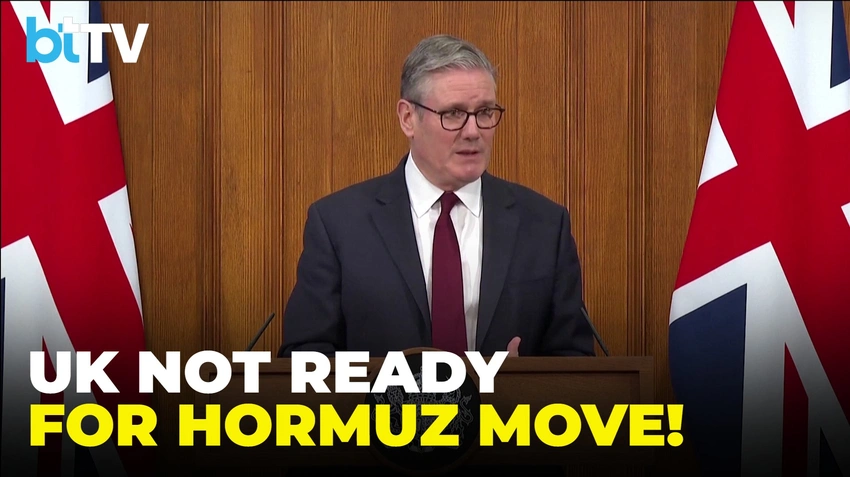
In London, Prime Minister Keir Starmer said reopening the strait is essential for market stability, but he stressed that no final decision has been taken on how such a mission would be conducted. Britain is positioning itself as a coordinator rather than a driver of a broader action, working with European partners, Gulf states, and the United States on a viable collective plan. Mine-hunting capabilities and anti-drone support are among the options under discussion as part of a coordinated, non-NATO-led approach.
Across Europe, some capitals have begun to pull back from military involvement. Germany, Spain, and Italy have stepped back from any direct military role, highlighting growing cracks in Western unity as the crisis deepens. In the region, Israel has laid out plans that could heighten pressure on Iran, while the United States has noted that some allies remain reluctant to join a protective coalition for tanker movements.
Analysts warn that the crisis could reshape NATO’s role and test whether a lasting coalition can be sustained under pressure to secure critical oil routes. For markets, the key question remains how quickly a credible plan emerges and whether de-escalation or a stronger security posture will win out in the long run.
