S&P 500 Dips, AI Stocks Wobble, But Reddit Soars on Index Inclusion!

S&P 500 Dips, AI Stocks Wobble, But Reddit Soars on Index Inclusion!
US stocks see mixed signals as S&P 500 ends lower, retail sales disappoint, and AI giants face pressure. But Reddit explodes with a 14% surge! Dive into Friday's market action.
The S&P 500 index closed lower on Friday, putting an end to its recent streak of gains. Investors found themselves navigating a mix of disappointing economic data and concerns over high valuations in the tech sector, particularly among AI-related stocks. The index dipped from its record high as new retail sales data came in weaker than expected for July, suggesting consumers might be tightening their belts.
A major contributor to the S&P 500's fall was Applied Materials, a key chip equipment maker. Despite delivering an upbeat quarterly forecast, its shares slumped, dragging down other AI-focused companies like Broadcom and Intel. Analysts noted that while Applied Materials had a strong outlook, investor expectations for AI stocks have been incredibly high, leading to a "sell-off" even after positive reports. This signals growing nervousness about the sustainability of current valuations in the booming AI industry.
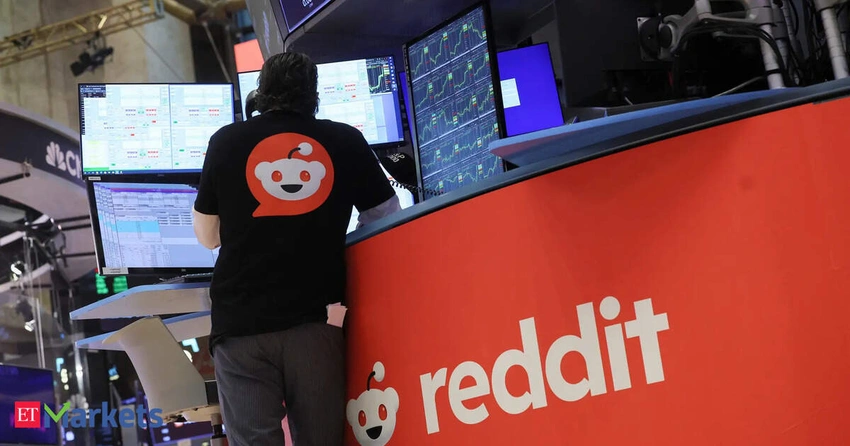
However, it wasn't all downturns on Friday. Social media giant Reddit experienced a significant surge, climbing 14% after the exciting news of its inclusion in the S&P 500 index. This move, effective August 18, means index funds will now be compelled to purchase millions of Reddit shares, providing a substantial boost. This positive development offers a bright spot amidst broader market caution.
Furthermore, the energy sector enjoyed a rally. Rising oil prices, fueled by increasing tensions in the Middle East, particularly concerns around transit through the Strait of Hormuz, pushed the S&P 500 energy index higher. This shows how geopolitical events continue to play a crucial role in market dynamics, offering a counter-trend to the tech sector's struggles. Overall, Friday's trading session reflected a complex market, balancing economic data, corporate performance, and geopolitical shifts.
