Antarctica's Largest Penguin Colony Faces Devastating Decline

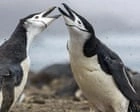
Antarctica's Largest Penguin Colony Faces Devastating Decline
Antarctica's largest chinstrap penguin colony on Zavodovski Island has plummeted by two-thirds since 2011. Scientists link this 'enormous population crash' to the climate crisis, warning of wider ecosystem collapse. Lear
The world's largest chinstrap penguin colony, located on Zavodovski Island in Antarctica, has suffered an “enormous population crash,” with numbers declining by two-thirds since 2011. This drastic reduction, amounting to the loss of approximately half a million breeding individuals, is primarily attributed to the ongoing climate crisis, according to a recent study.
Scientists involved in the research, led by Professor Norman Ratcliffe, a penguin ecologist at the British Antarctic Survey, warn that this rapid demise significantly increases the risk of a broader ecosystem collapse in the region. The study suggests that the speed of this decline is so severe that the chinstrap penguin, recognizable by the black line under its beak, may soon need to be reclassified as an endangered species.
Zavodovski Island once boasted the biggest penguin colony globally, with around 600,000 chinstraps and 90,000 macaroni penguins recorded in 2011. While macaroni penguins, being less selective eaters, have seen a 30% increase in their numbers, this rise is insufficient to offset the massive loss of their chinstrap counterparts.
The most significant factor driving this decline is climate disruption, which has caused winter temperatures around the Antarctic peninsula to rise by up to 5°C above preindustrial levels.
Chinstrap penguins have specific dietary needs, relying heavily on Antarctic krill, and prefer cooler ocean temperatures. As ocean waters warm, krill populations are shifting southward into the Weddell Sea, making it harder for the penguins to find their primary food source. Professor Ratcliffe likened the ecosystem to a “giant Jenga set,” where removing components, such as a major species, dramatically increases the risk of a complete collapse.
Other potential causes for the decline, such as competition between penguin species or volcanic activity from Mt.
Curry in 2016, have been ruled out by researchers.
The overwhelming evidence points to human-driven climate change as the primary culprit behind this alarming environmental catastrophe.
