Bob Weir’s Jazz-Infused Rhythm Guitar Changed Rock Forever

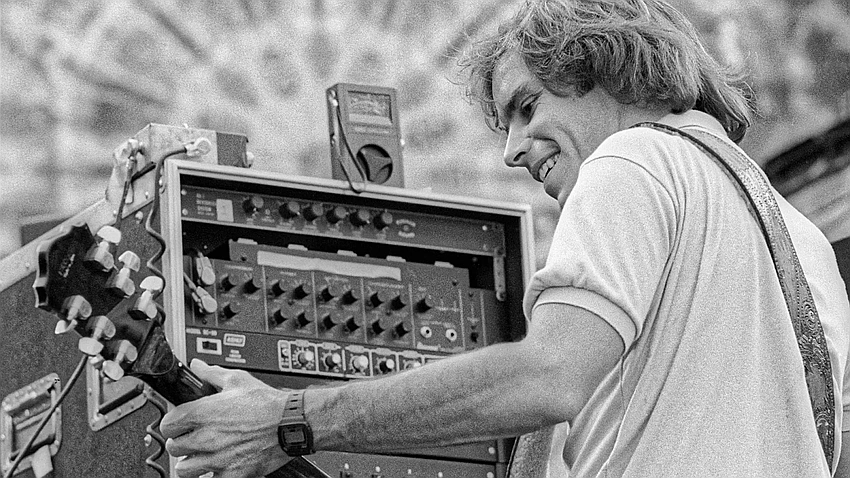
Bob Weir’s Jazz-Infused Rhythm Guitar Changed Rock Forever
A tribute to Bob Weir, Grateful Dead co-founder, whose jazz-infused rhythm guitar reshaped rock improvisation and left a lasting mark on generations of players.
Bob Weir’s guitar work with the Grateful Dead was more than a backing groove; it was a restless, forward-looking voice that shaped how people hear improvisation. Across decades of marathon jams and boundary-pushing tours, his rhythm playing stood apart: not a simple strum pattern but a counterpoint that filled the gaps left by drums and an unorthodox bass line. Together with Jerry Garcia, he formed a duo whose chemistry let the Dead roam far beyond traditional rock, creating a language that fans still try to decode today.
His secret, he once described, was not copying others but borrowing from another instrument entirely. From the age of 17, he listened to pianists such as McCoy Tyner and studied how they underpinned their solos. He carried that idea into his own technique—playing chords and riffs that strengthened the band’s center while leaving space for the improvisation that defined Dead shows. The result was a rhythm guitar that could swing between supporting chords and counter-melodies, a texture that became a signature sound over the years.
Garcia rarely spoke in ordinary terms about Weir’s contribution, calling him an extraordinarily original player in a world full of people who sound alike. That admiration echoed in later conversations with peers like John Mayer, who noted that Weir’s way of comping was almost savant-like and that his guitar work owed as much to jazz piano as to rock. Mayer referenced Bill Evans as an influence during their discussions, underscoring the cross-pollination between genres that made Weir’s playing so distinctive.
Born in San Francisco and rooted in the city’s vibrant music scene, Weir helped shape the sound of a counterculture that defined a era. He continued to perform and record with the Dead and various side projects well into his seventies, leaving behind a legacy that endures in the rock and improvisational communities. The loss of such a pioneer, at 78, marks the close of a remarkable chapter in American music, even as his ideas continue to echo through partners, fans, and younger players who chase the same blend of risk and resonance he championed.
