Modi's Israel Visit Under Scrutiny as Regional Tensions Rise

Modi's Israel Visit Under Scrutiny as Regional Tensions Rise
Parliamentary panel questions timing of PM Modi’s Israel trip amid security concerns and regional tensions.
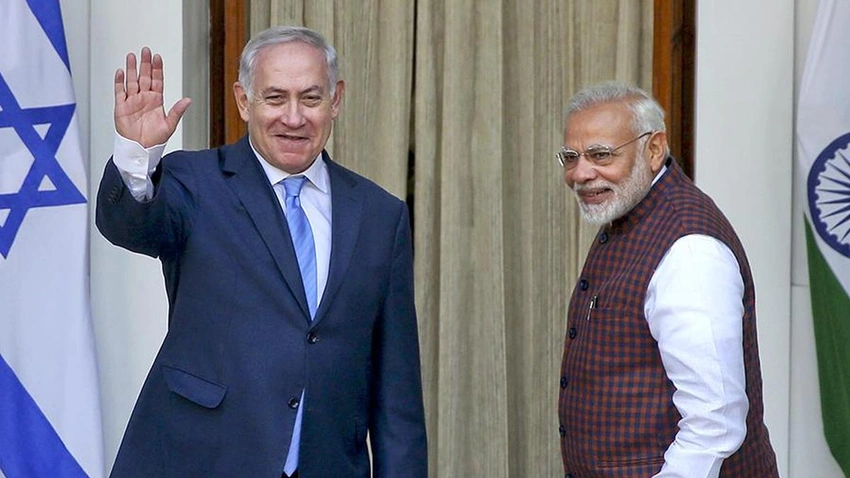
A parliamentary panel on External Affairs raised questions about the timing of Prime Minister Narendra Modi's upcoming visit to Israel, even as tensions in West Asia intensify and a U.S. military buildup continues in the region. Modi is slated to land in Jerusalem on February 25 for a two‑day visit, his first to Israel since 2017, and will address the Knesset, attend an innovation event on technology cooperation, and travel with Israeli Prime Minister Benjamin Netanyahu to the Yad Vashem Holocaust Memorial. The visit has come amid Israel's ongoing Gaza conflict and broader regional volatility.
During the proceedings, lawmakers noted the timing while India has also issued an advisory urging its citizens to leave Iran amid fears of a potential U.S. strike, raising concerns about how far the visit could be affected should tensions escalate further. Foreign Secretary Vikram Misri told the panel that high‑level visits are planned with security considerations in mind, but he did not specify whether the trip would be canceled if the regional situation worsens.
The committee also discussed the Ministry of External Affairs' budget, with some members flagging cuts to the MEA allocations and questions over the Chabahar project, arguing that budgetary tightening could impact India’s diplomatic and strategic outreach. In parallel, reports from officials indicated that India and Israel are looking to deepen defense and security cooperation, with Ambassador Reuven Azar noting that their two countries would “update” their agreements. Netanyahu himself described a broader regional framework, alluding to a “hexagonal alliance” of nations focused on security cooperation.
Analysts say Modi's trip is being watched closely not just for bilateral gains but for how it navigates Israel's domestic politics and the larger dynamics of the region, including the U.S. posture and the ongoing humanitarian crisis in Gaza. Observers also point to the timing against the backdrop of regional alignments and the possibility that Modi’s visit could signal a renewed push for strategic partnerships in a volatile West Asia landscape.
Ultimately, supporters argue the visit reinforces India’s role as a global player with growing tech and defense ties, while critics worry about the optics of proceeding with a high‑profile trip amid a friction‑ridden environment and potential spillovers into broader conflicts.
