Parliament to 816 Seats as 1/3 Women’s Reservation Moves Forward

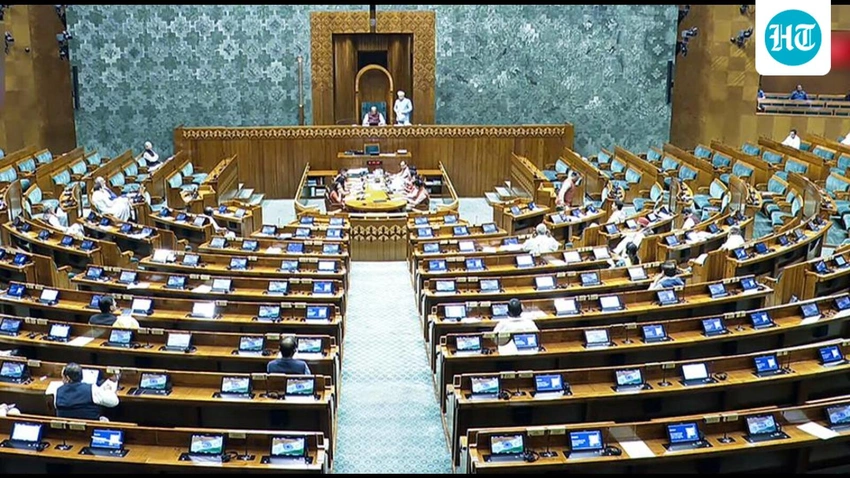
Parliament to 816 Seats as 1/3 Women’s Reservation Moves Forward
India eyes a one-third women’s reservation in Lok Sabha and assemblies, potentially expanding Parliament to 816 seats with delimitation based on Census 2011 for the 2029 elections.
The government is pushing bills to reserve one-third of seats for women in Lok Sabha and state assemblies, a reform that could raise Parliament seats to 816 and reshape electoral competition across the country. The move would allocate roughly one-third of seats to women, aiming to diversify representation and strengthen women’s participation in governance. Implementation hinges on delimitation, with a proposal to base redrawing of constituencies on Census 2011 data so the quota is in place by the 2029 elections. Details on how seats would be redistributed—whether through a standard delimitation order or a lottery-like method to select which constituencies are reserved—remain to be finalized. Supporters argue the reform would empower women and broaden policy perspectives, while critics warn of practical and political challenges that could slow the timeline. The plan would require parliamentary approval and a delimitation commission's work, making it a high-stakes test for consensus across parties. If enacted, the move could alter campaign strategies, party organization, and regional dynamics, signaling a bold shift toward more inclusive politics by the 2029 vote.
