The Sharenting Dilemma: Are We Stealing Our Kids' Digital Pasts?

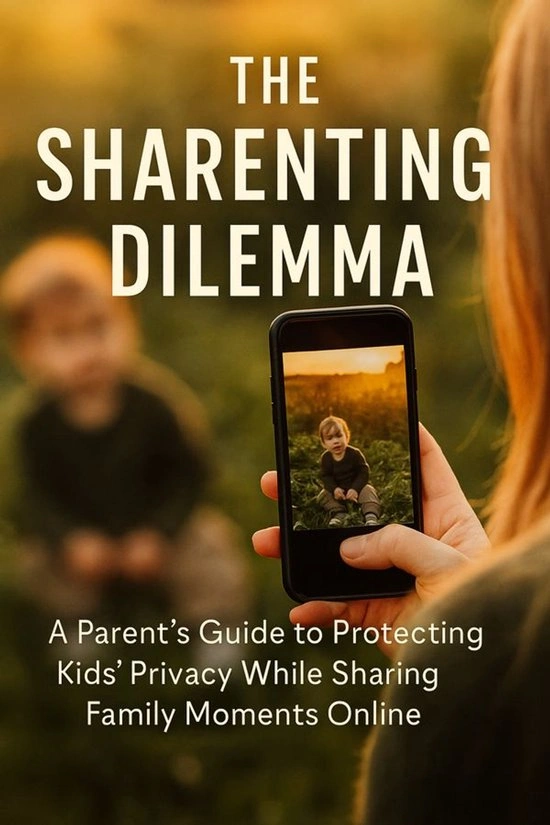
The Sharenting Dilemma: Are We Stealing Our Kids' Digital Pasts?
Explore the ethics of sharenting, digital privacy, and whether children should have a say in the photos and stories parents post online.
The Instant Archive of Childhood
Every day, millions of parents log onto social media to share the milestones, funny moments, and daily lives of their children. This modern phenomenon, known as sharenting, turns everyday family life into public content. While sharing a first-day-of-school photo feels harmless, it creates a permanent digital footprint for a person who is too young to consent.

The Weight of a Digital Footprint
Long before children can spell their own names, they have a searchable history online. Pediatricians and privacy experts warn that this data accumulation poses unique risks. Embarrassing stories, medical histories, and location tags can follow children into their school years, social circles, and future professional lives.
When we post our children's lives online, we are acting as the sole archivists of a story that does not entirely belong to us.

Where Do We Draw the Line?
Finding the balance between celebrating your child and protecting their privacy is a modern tightrope walk. Many parents now practice delayed sharing, blurring faces, or asking for verbal permission from older kids before hitting publish. The goal is not to shame parents, but to shift the perspective from convenience to consent.

Who Owns the Story of Growing Up?
As children grow into digital natives, they are beginning to push back against the constant documentation of their youth. Respecting their boundaries today teaches them valuable lessons about consent in the digital world. Ultimately, the question is simple: can we love sharing our family moments without compromising our children's right to privacy?


Login to comment.