China sanctions Japanese lawmaker close to PM Takaichi over Taiwan visits

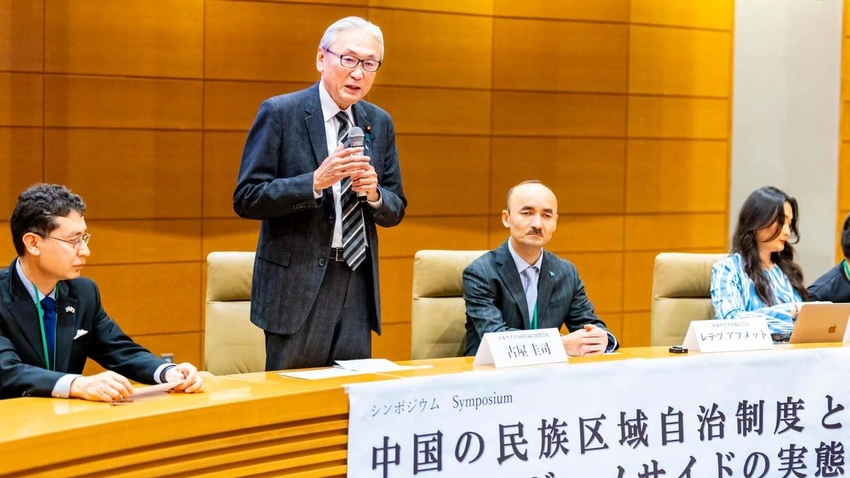
China sanctions Japanese lawmaker close to PM Takaichi over Taiwan visits
Beijing freezes assets and bars entry for Keiji Furuya as tensions over Taiwan rise, targeting a lawmaker who leads Japan-Taiwan ties.
China announced sanctions against Japanese lawmaker Keiji Furuya, accusing him of colluding with Taiwan independence forces and repeatedly visiting the Taiwan region in a move that underscores a simmering Japan–China standoff over the island. The Foreign Ministry said it would freeze any assets he holds in China, bar Chinese individuals and organisations from engaging with him, and deny him entry to mainland China, Hong Kong, and Macao. The ministry said Furuya's actions “constitute gross interference in China’s internal affairs, and seriously undermine China’s sovereignty and territorial integrity.”
Furuya, who heads a cross-party Japan-Taiwan lawmakers group, has visited Taiwan many times and was most recently in the island to meet its president Lai Ching-te in Taipei earlier this month. Beijing views visits by foreign officials to Taiwan as undermining its claim over the island and said the sanctions are a direct response to those actions. The move comes amid broader tensions between Tokyo and Beijing, with Japan’s political leadership frequently engaging with Taipei in ways that provoke a sharp reaction from Beijing.
The measures are being framed within the long-standing One-China principle, which Beijing insists governs all official interactions with Taiwan. The United States long ago acknowledged that policy in practice, recognizing Beijing as the sole legitimate government of China while maintaining unofficial relations with Taipei since 1979. The sanctions on Furuya are seen as a signal from Beijing that it will use economic and travel penalties to deter foreign officials from engaging with Taiwan or visiting the island.
Analysts say the steps reflect Beijing’s willingness to employ diplomatic penalties to curb external support for Taipei and to push back against what it perceives as interference in its internal affairs. Tokyo, on the other hand, has shown continued support for Taiwan's democratic governance and has reinforced security and economic ties with Taipei in recent years. The incident also comes after earlier remarks by a Japanese official suggesting that a hypothetical Chinese attack on Taiwan could trigger a Japanese military response, a comment that further strained regional dynamics. As this unfolds, observers expect Japan to balance its economic ties with China against its security commitments to Taiwan, seeking a careful path to avoid further escalation while maintaining its own policy preferences toward the island.
