The Bare Truth: How Minimalism Became a Billionaire's Flex

The Bare Truth: How Minimalism Became a Billionaire's Flex
Minimalism once challenged consumerism, but now it’s a high-end status symbol. We explore how empty spaces became a sign of extreme wealth, reframing clutter as economic reality.
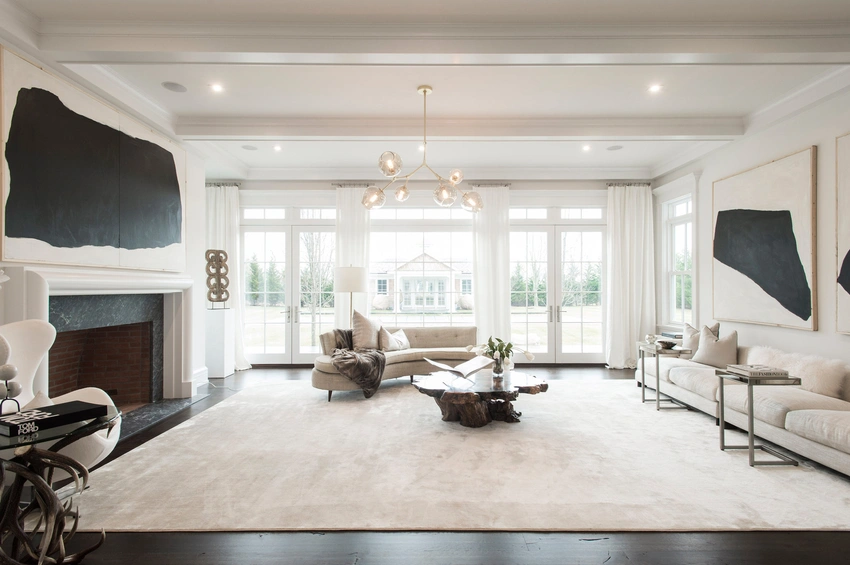
For years, minimalism has been championed as a philosophy of intentional living, a rejection of consumerist excess. It's about decluttering your life, finding peace in simplicity, and valuing experience over possessions. Yet, look closely at the sleek, monochromatic homes gracing design magazines and influencer feeds, and a different narrative emerges.
What began as a radical, anti-bourgeois artistic philosophy has morphed into an aggressive marker of extreme wealth and elite status.
From Radical Roots to Elite Aesthetic
Minimalism's origins were anything but luxurious. Born from avant-garde art movements of the mid-20th century, it was a rebellion against ornate decoration and bourgeois materialism.
Think Bauhaus, functionalism, and Japanese aesthetics, a call for purity of form, utility, and a stripping away of the superfluous.
It was about making design accessible, efficient, and honest, often embracing raw materials like concrete and steel. The intent was democratic, a rejection of the ostentatious displays of status inherent in maximalist design.
 The Commodification of Scarcity
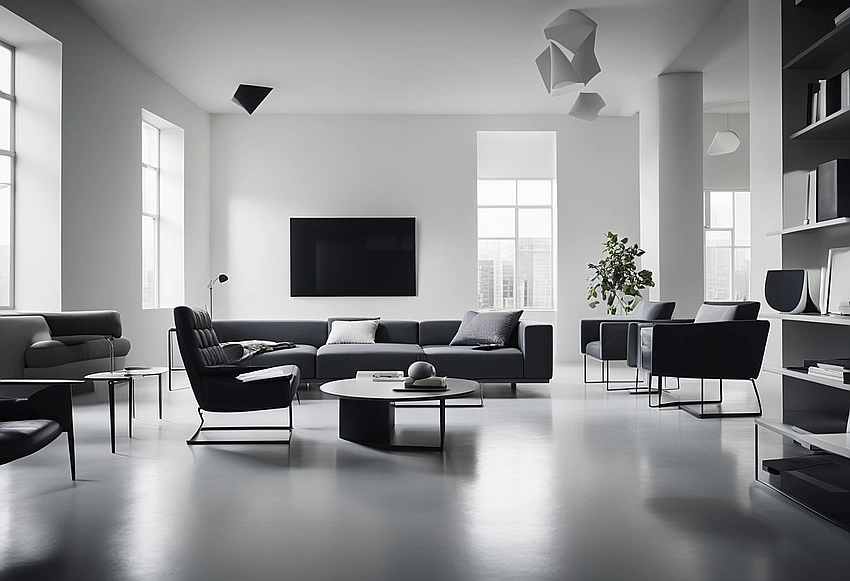
How did a philosophy of less become so prohibitively expensive? The shift began as minimalism was adopted by high-end architecture and interior design. Suddenly, “empty space” wasn't just empty; it was a carefully curated void, achieved through bespoke built-ins, hidden appliances, and custom storage solutions that vanish behind seamless panels.
The aesthetic of scarcity, bare concrete walls, expansive unadorned surfaces, a single, sculptural piece of furniture, requires immense resources to achieve.
These materials aren't cheap, nor is the skilled craftsmanship needed to execute such precision.
 The Ultimate Wealth Signal
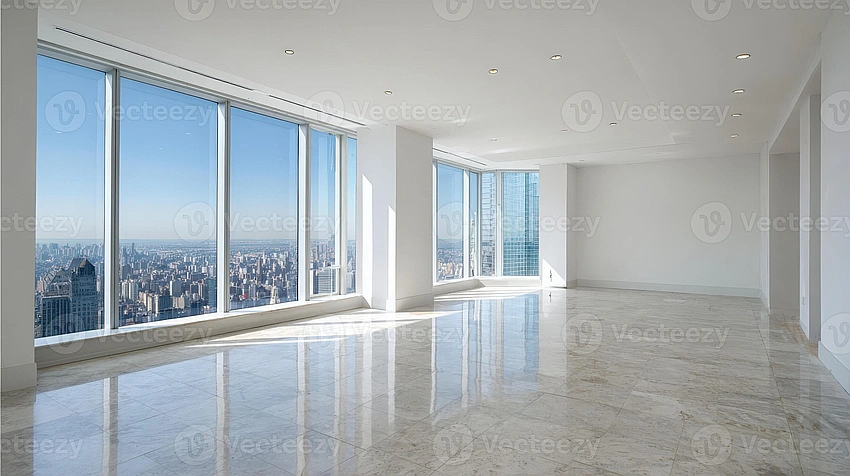
Today, a truly minimalist home signals wealth in ways traditional luxury often cannot. It proclaims not just purchasing power, but the ultimate commodity: space . An empty room in a prime location speaks volumes about property value.
Furthermore, maintaining such an aesthetic requires a support system, cleaners, organizers, and often, secondary storage units, invisible labor and costs that enable the pristine facade.
It's not about what you own, but what you can afford not to own, and where you can afford not to own it,
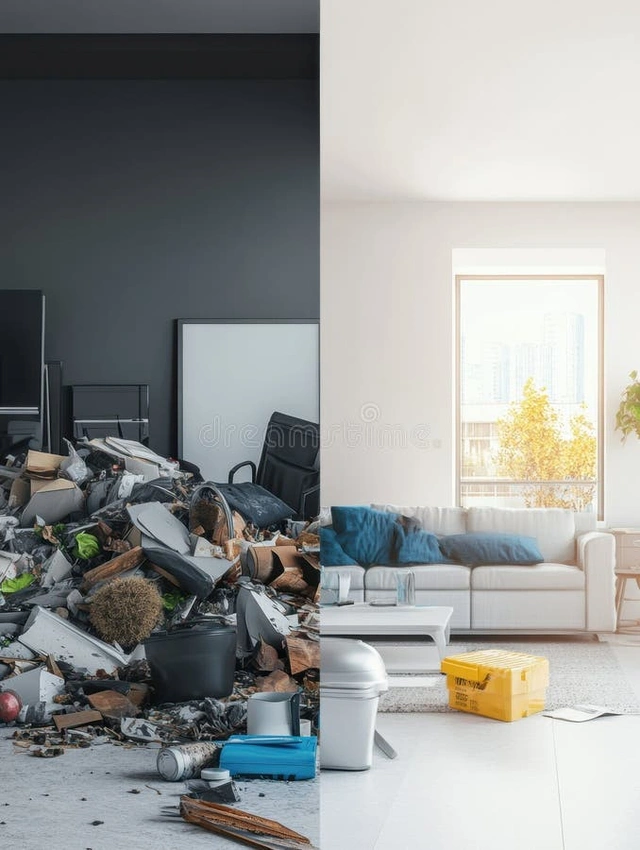
a design critic once quipped, perfectly capturing this paradox. Clutter, in this inverted reality, becomes a byproduct of economic precarity, a sign of insufficient space, time, or resources to manage one's possessions.
 The Irony of Aspirational Emptiness
The irony is profound. A movement born to challenge consumerism now fuels a different kind of aspirational consumption, where the absence of things is the most powerful status symbol of all. It's a design language understood implicitly by those within the elite, creating a visual barrier that reinforces class divisions.
As designers, understanding this evolution is crucial. We must critically examine how our aesthetic choices, however well-intentioned, can inadvertently reinforce societal inequalities. Perhaps true radical design today lies not in aesthetic scarcity, but in thoughtful abundance that genuinely serves all, rather than signaling status to a select few.