Bangladesh seeks Hasina extradition after ICT verdict

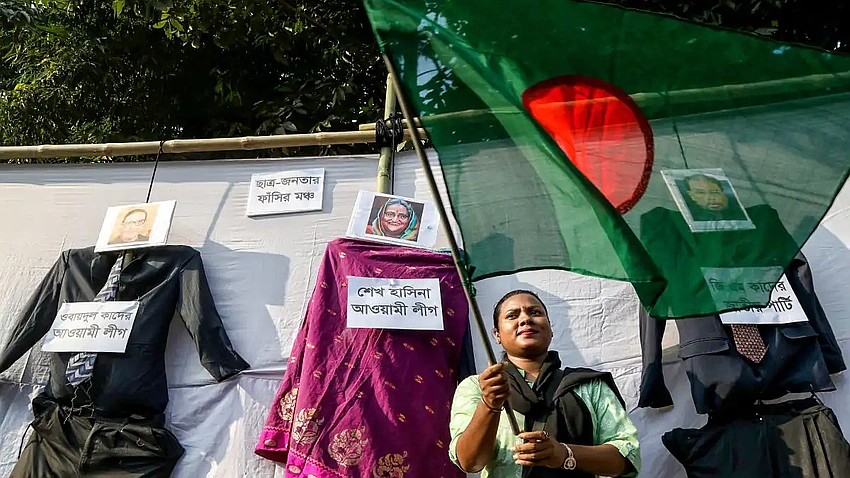
Bangladesh seeks Hasina extradition after ICT verdict
Dhaka moves to extradite former PM Hasina to Bangladesh following the ICT death sentence, sending a diplomatic note to India as New Delhi reviews the request.
Dhaka has sent a diplomatic note to New Delhi seeking the extradition of former Prime Minister Sheikh Hasina after the International Crimes Tribunal sentenced her to death. The Foreign Affairs Adviser of the Bangladeshi interim government disclosed that the letter, which includes details of the ICT’s judgment related to the crackdown on protesters in mid-2024, was dispatched in recent days. The development comes as Dhaka presses for cooperation under the existing extradition treaty with India and awaits a response from the Indian Ministry of External Affairs.
The ICT’s verdict has intensified focus on Hasina’s alleged involvement in the crackdown on unarmed protesters in July-August 2024, as well as associated cases involving enforced disappearances of political activists and critics. While Bangladesh has repeatedly called on India to hand over Hasina and the former Home Minister Asaduzzaman Khan Kamal, New Delhi has said it has noted the verdict but has not indicated whether it will consider extradition. The timing of the note underscores Dhaka’s reliance on bilateral treaty commitments to secure surrender.
Observers note that the trial was conducted in absentia, a point that India’s stance—along with domestic legal considerations—will factor into any extradition decision. Bangladesh has retained a straightforward argument: under the extradition treaty, India must cooperate with a request tied to serious crimes and grave penalties, such as those handed down by the ICT. Diplomats familiar with the case say formal extradition would require a rigorous assessment under Indian law, including whether the proceedings meet due process standards and the specific legal criteria for surrender.
As the two countries navigate a sensitive diplomatic path, the Bangladeshi authorities say the move is not just a legal matter but a test of bilateral trust and a signal to victims’ families seeking justice. The exchange highlights how extradition cases involving former leaders can become multipronged political issues, with domestic sentiment and regional dynamics shaping the pace and outcome of any decision from New Delhi.
Meanwhile, the ICT continues hearings related to other cases tied to the wider crackdown era, keeping the regional spotlight on Dhaka’s pursuit of accountability and India’s potential role in delivering it. The coming weeks will reveal how far India is willing to engage on this extradition request, and how Dhaka will respond to any formal reaction from New Delhi.
Cover image source: This Week in Explainers: Will India send back Sheikh Hasina to Bangladesh? 🔗
