Are Music Awards Losing Their Tune in a Globalized World?

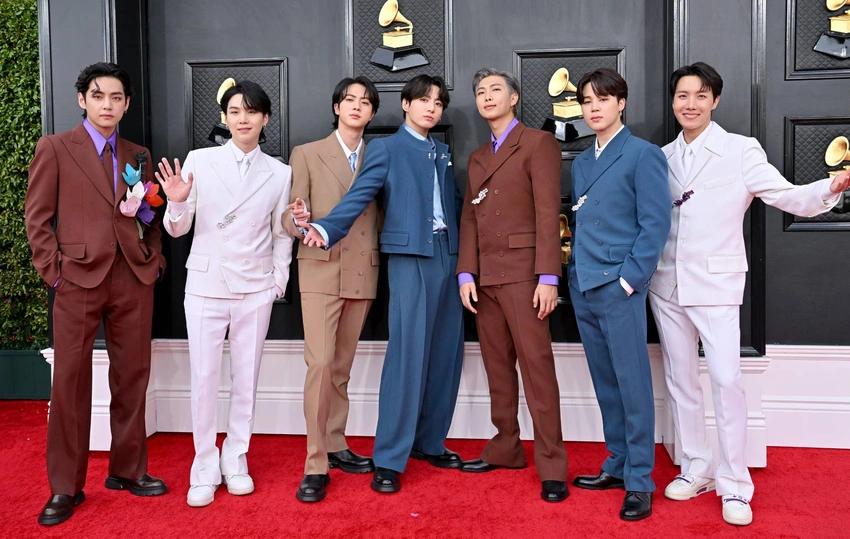
Are Music Awards Losing Their Tune in a Globalized World?
The music industry is truly global, but are traditional awards keeping up? When major artists reject genre-specific categories, it raises questions about relevance and true representation.
Are Music Awards Losing Their Tune in a Globalized World?
In an era where music truly knows no borders, a question looms large over the traditional music awards landscape: Are these institutions still relevant if they can’t genuinely reflect our incredibly diverse global soundscape? It’s a discussion that feels more urgent than ever, especially with recent developments involving one of the biggest acts on the planet.
Consider the Grammys' planned “Best Asian Pop” award, set to debut in 2027. On the surface, it might seem like a step toward inclusivity. Yet, the resounding silence, or rather, the deliberate non-participation of artists like BTS, speaks volumes.
When BTS, whose global reach and influence are undeniable, chooses not to submit their upcoming album 'Arirang' or any other music for such a category, it's a powerful statement. Their desire for their music to be “heard and loved for itself, beyond regions or languages” isn't just a catchy phrase; it's a blueprint for how modern music truly connects with audiences.
It's about being inclusive in a way that doesn't silo creativity. Creating specific categories for “Asian Pop” or “K-Pop” (which was another previous discussion point) risks marginalizing genres that have already proven their mainstream appeal and artistic merit on a global scale. It implies that these sounds need a special designation, rather than being judged alongside all other contemporary music.
It's like saying a brilliant chef needs a 'Best Asian Cuisine' award rather than competing for 'Best Restaurant' overall, even if their food transcends cultural boundaries.
Even within the Recording Academy, there's an acknowledgment of this friction. Harvey Mason Jr., the CEO, recently noted that
there are some artists in this space who feel that this category isn't representing the music they work so hard to create, in the way they wish.
As a musician himself, he takes that to heart, and rightfully so. It's a significant segment of the industry, represented by artists who are defining global music trends.
If the most globally impactful artists are opting out because they feel the categories don’t serve their art, what does that say about the relevance of these awards? Are we celebrating true artistic excellence, or are we simply trying to fit square pegs into round holes with increasingly fragmented categories?
For awards to remain meaningful and respected, they need to evolve beyond geographic and linguistic distinctions. True diversity means integrating global sounds into the main categories, allowing them to compete on a level playing field.
It means recognizing that a song's origin doesn't define its quality or its potential to resonate universally.
The music industry is a global village; awards bodies need to catch up, or risk becoming increasingly out of touch with the very music and artists they purport to celebrate.
Let's aim for true recognition, not just pigeonholes.
