SC won’t hear PIL on caste data for Census 2027; calls for transparency

SC won’t hear PIL on caste data for Census 2027; calls for transparency
The Supreme Court rejects a PIL challenging how caste data will be recorded in Census 2027, urging Centre to publish clear criteria.
In a move that shapes the contours of Census 2027, the Supreme Court on Monday refused to entertain a petition challenging the procedures for recording caste data. A bench led by the Chief Justice said there is no pre-determined data to identify caste data, but asked the Centre and the Registrar General and Census Commissioner, India to consider suggestions made by the petitioner. The PIL, filed by academician Aakash Goel and represented by advocate Mukta Gupta, argued that the directorate of census operations had not disclosed any predetermined criteria or standardized methodology for recording caste identity among those in the SC, ST and OBC categories, or beyond them.
The court noted that the Census Act of 1958 and the 1990 Rules empower authorities to determine the manners of census operations, but left room for evaluating the petitioner’s concerns. It emphasized the importance of a robust mechanism evolved with expert aid to prevent mistakes while recording caste data. While the PIL questioned the procedures for recording, classifying and verifying caste information in Census 2027, the bench asked the Centre and the Registrar General to consider the suggestions put forth and disposed of the petition accordingly.
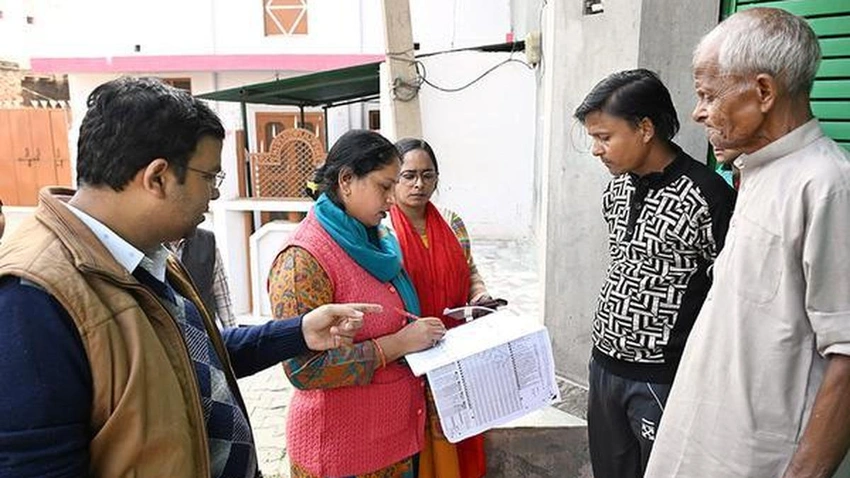
Observers point out that caste enumeration has expanded beyond traditional SC/ST categories for Census 2027, with discussions surrounding transparency and public access to the questionnaire. The 2027 exercise is reported to include a broad set of questions in its first phase, totaling 33, though the court did not mandate any specific changes here. The legal proceedings highlight the tension between ensuring accurate data collection and maintaining public trust in the census process.
