Macron condemns Trump over marriage jibe and French accent

Macron condemns Trump over marriage jibe and French accent
France pushes back after Trump mocks Macron and his wife with a French accent at a Washington lunch, signaling tensions in US-France diplomacy.
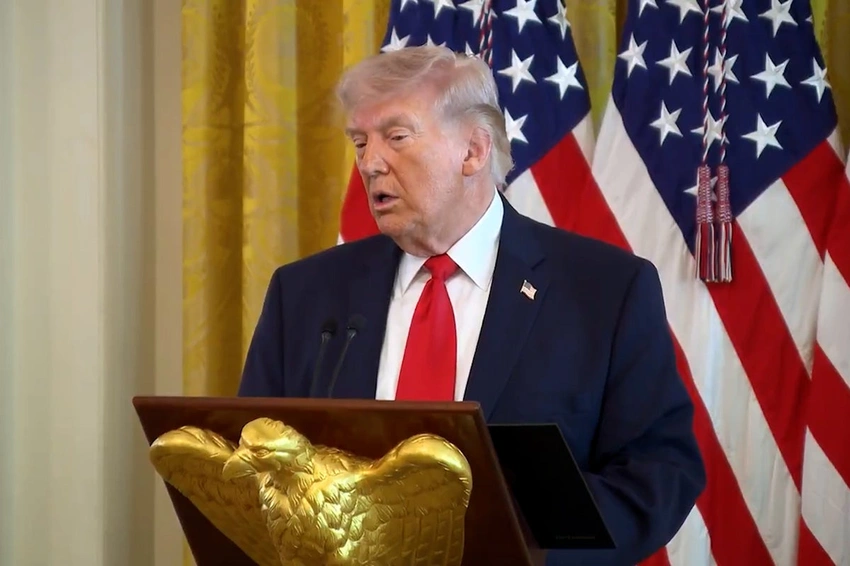
Emmanuel Macron called Donald Trump’s comments about his marriage neither elegant nor up to standard after the US president mocked him and his wife with a French accent during a private lunch in Washington. The moment, captured briefly on a White House video before it was taken down, highlighted already strained diplomacy between the two longtime allies. Macron arrived in South Korea soon after and made clear he would not amplify the remarks, telling reporters that they did not merit a response. Still, the incident reverberated back home in France, where commentators and officials warned against personal attacks that could complicate international cooperation.
The exchange centered on Trump’s remarks about NATO allies and their willingness to confront Iran, with the president allegedly joking about Macron’s influence and the French president’s wife, Brigitte, saying she “treats him extremely badly.” Macron’s office later framed the remarks as a breach of decorum, noting that a public brotherly spirit is essential for allied efforts on security and diplomacy. The episode also touched on a broader back-and-forth over leadership styles and the tone of U.S.-European relations at a moment of global tension.
Public scrutiny intensified over how a White House video briefly showcased the jibe before being removed, fueling questions about transparency and the handling of sensitive diplomatic moments. Macron and his team have repeatedly emphasized the importance of dignity in public discourse, especially when leaders address delicate topics such as NATO commitments and joint actions in the Gulf. The lunch scene, which unfolded in Washington with faith leaders and government figures present, underscored how personal remarks can spill into strategic conversations, potentially complicating efforts to secure cooperation on Iran and other regional challenges.
While Macron said he had no intention of escalating the incident, experts noted that even moments of levity between heads of state can carry weight in shaping public perception and bilateral trust. The episode raises questions about how the United States and France will navigate future diplomacy—with emphasis on mutual respect, shared history, and the practical realities of coordinating on security, defense, and international policy. In Seoul, leaders and commentators will watch closely to see whether this disagreement translates into tangible policy friction or fades as a passing controversy in a high-stakes global agenda.
