Smart Gadgets: Are We Gaining Convenience or Just More Clutter?

Smart Gadgets: Are We Gaining Convenience or Just More Clutter?
From cocktail makers to smart home devices, are these gadgets truly simplifying our lives or just adding more complexity and cost? Let's dive into the 'smart' debate.
We live in an age of “smart” everything. From our thermostats to our toothbrushes, every corner of our lives seems to be getting an intelligent upgrade. But here’s the million-dollar question: are these gadgets truly simplifying life, or are we just accumulating more expensive clutter?
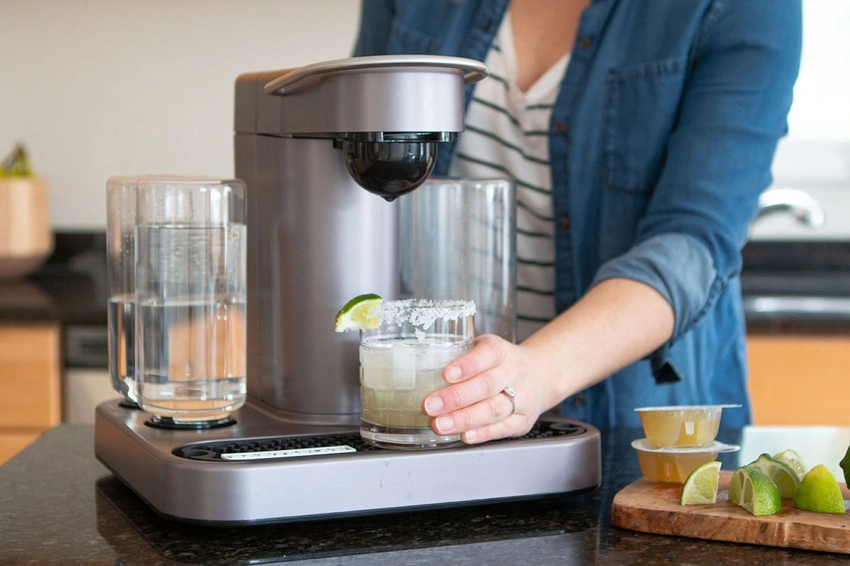
Take, for instance, the Bartesian cocktail maker. Picture a Keurig or Nespresso machine, but for your evening spirits. The Bartesian Duet model, for example, promises instant, push-button cocktails, just add your own liquor, pop in a capsule, and let the machine do the mixing. On the surface, it sounds like the ultimate convenience for entertaining. Imagine serving a variety of espresso martinis, watermelon margaritas, or mai tais without needing a full bar setup or bartending skills. The machine scans a capsule's barcode, determines the spirit, and even lets you adjust the drink’s strength. Cool, right?
But as you sip your raspberry ginger gimlet, a nagging question might arise: Who is actually buying a $300 cocktail robot that also requires $2.50 capsules for every single drink? This isn't just about the initial outlay; it’s about an ongoing ecosystem of purchases.
While the Bartesian does what it says, making consistent drinks easily, it quickly reveals the paradox of “smart” convenience. These capsules are hyper-concentrated mixes; they don’t contain alcohol. This means if you’re hoping for an authentic aviation, you’re getting a non-alcoholic approximation of ingredients like crème de violette or maraschino liqueur. True cocktail enthusiasts, who appreciate fresh ingredients and nuanced flavors, might find this a significant drawback.
So, who is it for? Probably not the seasoned mixologist. When friends and I tested it, we enjoyed the novelty, but concluded it’s perhaps for those who prioritize effortless variety over authentic craft, or who love the “wow” factor of a new gadget. It’s no coincidence that the simpler drinks, like the lemon drop, were universally enjoyed, precisely because they rely less on complex, 'approximated' ingredients.
The Bartesian perfectly encapsulates the modern dilemma of “smart” gadgets. They offer undeniable ease and a dash of futuristic flair. Yet, they often come with a significant price tag, hidden ongoing costs, and a compromise on authenticity or flexibility. Before we click “add to cart” on the next smart device, maybe we should ask ourselves if it genuinely solves a problem, or if we’re just buying into another piece of sophisticated clutter in the name of convenience.
