Twenty Years Later: The Devil Wears Prada 2 Still Feels Like a Reckoning

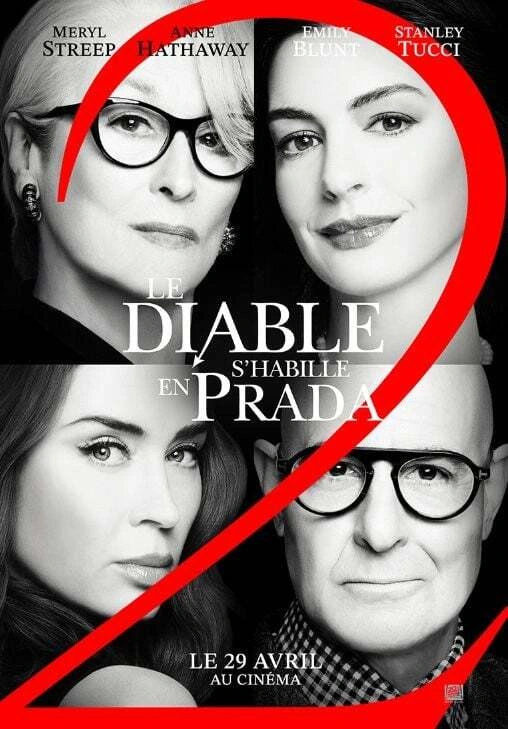
Twenty Years Later: The Devil Wears Prada 2 Still Feels Like a Reckoning
Twenty Years Later: The Devil Wears Prada 2 Still Feels Like a Reckoning
Devil Wears Prada's sequel reframes ambition for a digital age, where print wanes and power shifts. A sharp, timely take on Miranda Priestly's evolving reign and a fashion world in flux.
There is always a risk in returning to a cultural artefact that has already settled into canon. The original The Devil Wears Prada was not merely a film but a shorthand for ambition, cruelty, and the seduction of taste. Its sequel, arriving nearly two decades later, resists the temptation of simple nostalgia. Instead, it situates its characters within a transformed media ecology, where the glamour of print has thinned into something more precarious.
The narrative premise is deceptively simple. Andy Sachs returns to Runway magazine, while Miranda Priestly faces the decline of traditional publishing and the erosion of her once unassailable authority. Yet what unfolds is less a continuation than a recontextualisation. The film understands that time has not only passed but has restructured the very conditions under which ambition operates.
Miranda Priestly in the Age of Decline
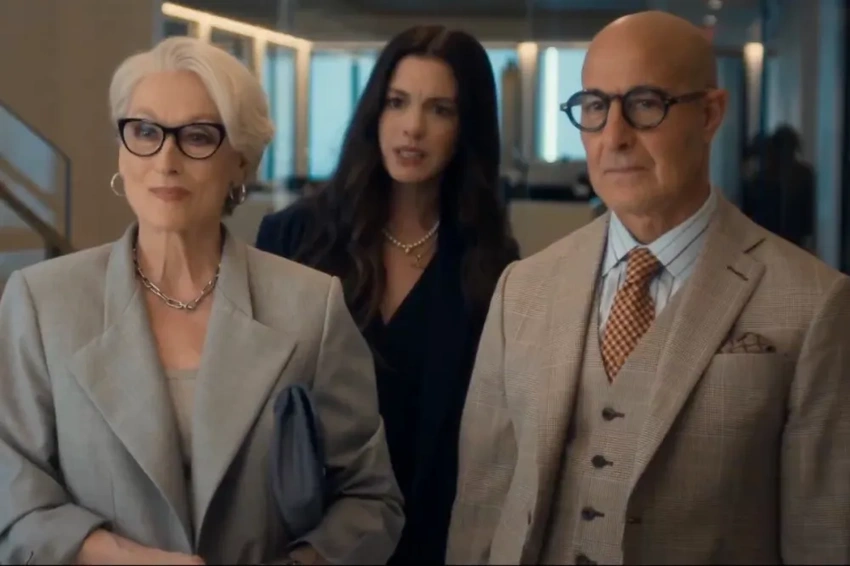
Miranda Priestly, embodied again by Meryl Streep, is no longer the untouchable sovereign of taste. The sequel introduces a subtle but significant shift. Her power is now contingent, threatened by corporate pressures, digital economies, and cultural scrutiny.
This recalibration is crucial. The original film revelled in Miranda’s near-mythic authority. Here, she becomes legible as a figure navigating institutional decay. The film’s most compelling gesture lies in this repositioning. It asks what happens when cultural arbiters are forced to justify themselves within a system that no longer believes in singular authority.
Andy Sachs and the Ethics of Return
Anne Hathaway’s Andy returns not as the naive outsider but as someone who has already left and must now reckon with that departure. Her re-entry into Runway is framed through professional necessity rather than desire, often tied to the instability of contemporary journalism.
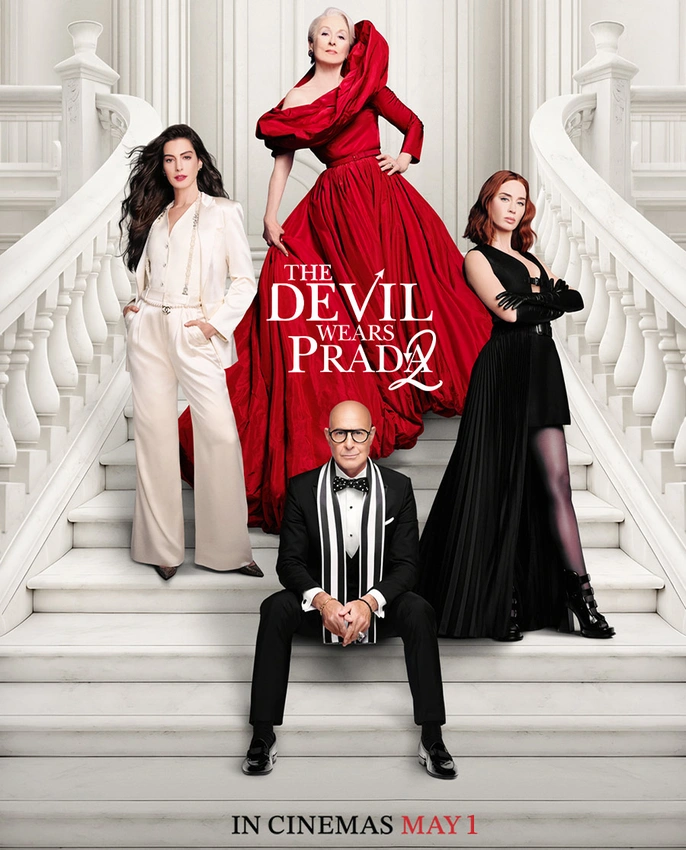
This narrative move complicates the moral clarity of the original. Leaving Runway once signified ethical resistance. Returning now suggests that the structures one escapes are not so easily abandoned. The film quietly destabilises the fantasy of individual autonomy, replacing it with a more ambivalent understanding of labour and compromise.
Emily Charlton and the Politics of Power
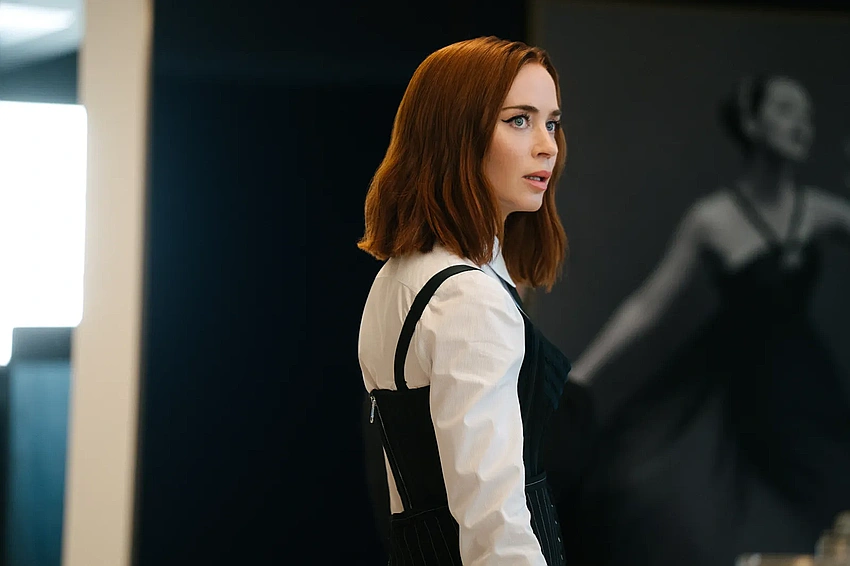
If the first film was about entering power, this one is about inheriting it. Emily Blunt’s Emily Charlton, now a formidable executive within the luxury industry, functions as both mirror and antagonist.
Her trajectory is perhaps the most revealing. Emily represents a form of success that is no longer tethered to editorial labour but to corporate strategy. The rivalry between Emily and Miranda stages a broader shift from editorial authority to brand capital. In this sense, the film maps the transformation of fashion itself from discourse to industry.
Fashion as Archive
The film retains the aesthetic pleasures expected of its predecessor. There are montages, textures, and carefully curated excess. Yet these moments feel archival rather than immediate. The fashion does not simply dazzle. It remembers.
Cameos from figures within the fashion world and the inclusion of contemporary trends create a dialogue between past and present, though the emphasis remains on continuity rather than rupture. The result is a visual language that acknowledges its own belatedness. Style here is not just about consumption but about the persistence of cultural memory.
The Magazine as a Dying Form
Perhaps the most striking thematic shift lies in the film’s treatment of Runway itself. The magazine is no longer a site of aspiration but one of survival. Financial strain, digital competition, and shifting readerships haunt its existence.
This is where the sequel becomes unexpectedly reflective. It aligns the decline of print media with the ageing of its characters, suggesting that institutions and individuals are subject to the same temporal pressures. The question is not whether Runway can be saved, but what it means to preserve something whose cultural conditions have already disappeared.
Performance, Memory, and the Weight of Continuity
The returning cast, including Stanley Tucci, bring with them a sense of continuity that the film both relies on and interrogates. Their performances are shaped by the audience’s memory of the original, creating a layered experience in which past and present coexist.
This dynamic produces moments of quiet resonance. Familiar gestures acquire new meanings. Dialogue that once felt sharp now carries a trace of exhaustion. The film understands that repetition is never neutral.
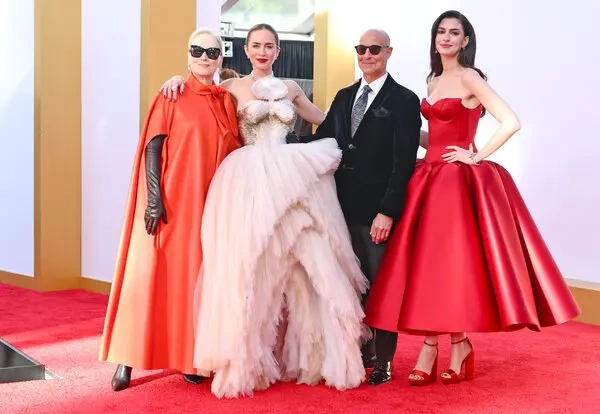
The Devil Wears Prada 2 ultimately resists the easy pleasures of revival. It does not attempt to recreate the conditions of the original because it recognises that those conditions no longer exist. Instead, it offers something more fragile. A meditation on what remains after cultural dominance fades.
In doing so, it reframes its central question. The original asked what one is willing to sacrifice for success. The sequel asks what success looks like when the system that defined it begins to collapse. That shift, subtle but decisive, is what allows the film to justify its own existence.
#DevilWearsPrada #MirandaPriestly #Runway #FilmSequel #CultureCritique
